
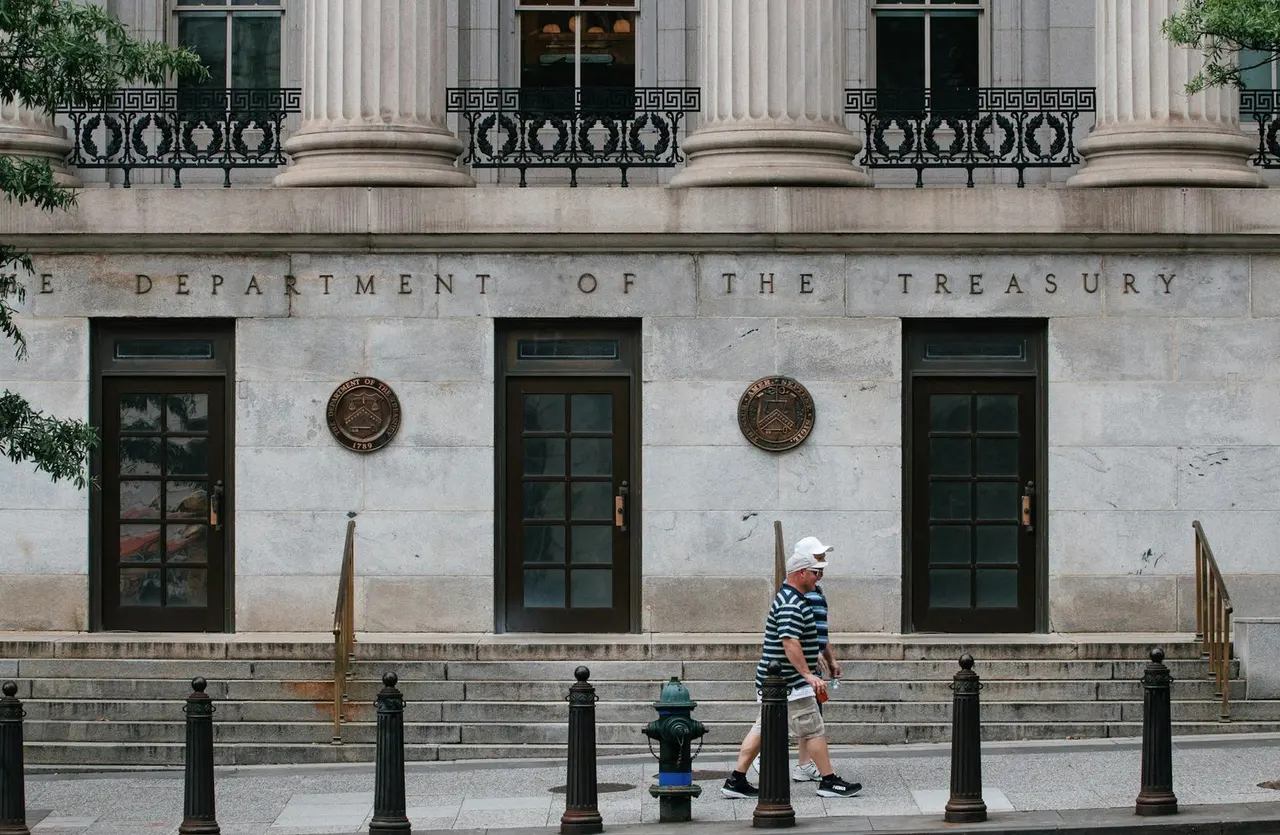
The U.S. Treasury has expanded its sanctions campaign against Iran, targeting a sprawling network that spans cryptocurrency, gold, shipping and technology, with officials singling out an individual accused of processing more than $100 million in digital assets tied to Iranian oil sales.
A Broader Sanctions Net
The latest action reflects Washington's growing recognition that Iran's evasion strategies have evolved well beyond traditional banking channels. By moving against operators in multiple sectors simultaneously, the Treasury aims to choke off the varied financial pathways Tehran relies on to move value across borders.
Among those named is Ivan Obukhov, whom Treasury officials accuse of handling over $100 million in cryptocurrency linked to oil transactions conducted on behalf of the Islamic Revolutionary Guard Corps-Quds Force (IRGC-QF) since 2023. The figure underscores how central digital assets have become to sanctioned actors seeking to skirt the formal financial system.
Cryptocurrency has become a frontline battleground in the effort to cut off Iran's illicit revenue streams.
Crypto in the Crosshairs
The inclusion of a crypto-focused individual signals that regulators are increasingly comfortable pursuing blockchain-based money flows with the same tools once reserved for banks and shipping firms. Digital assets, while transparent on public ledgers, can still be leveraged to obscure the ultimate parties behind large transfers.
The oil trade remains a critical source of hard currency for Iran, and the IRGC-QF has long been accused of orchestrating covert sales to fund its regional activities. Layering cryptocurrency into those deals allows participants to attempt to sidestep the dollar-denominated system that U.S. sanctions are built to police.
Key elements of the expanded crackdown include:
- Cryptocurrency operators accused of laundering oil proceeds
- Gold traders facilitating value transfer outside banking rails
- Shipping entities moving sanctioned Iranian crude
- Technology suppliers supporting the network's infrastructure
What Comes Next
Sanctions designations typically freeze any U.S.-based assets held by those named and bar American individuals and companies from dealing with them. For crypto participants, the practical effect often includes exchanges and service providers blocking associated wallet addresses and accounts.
The move fits a pattern of