
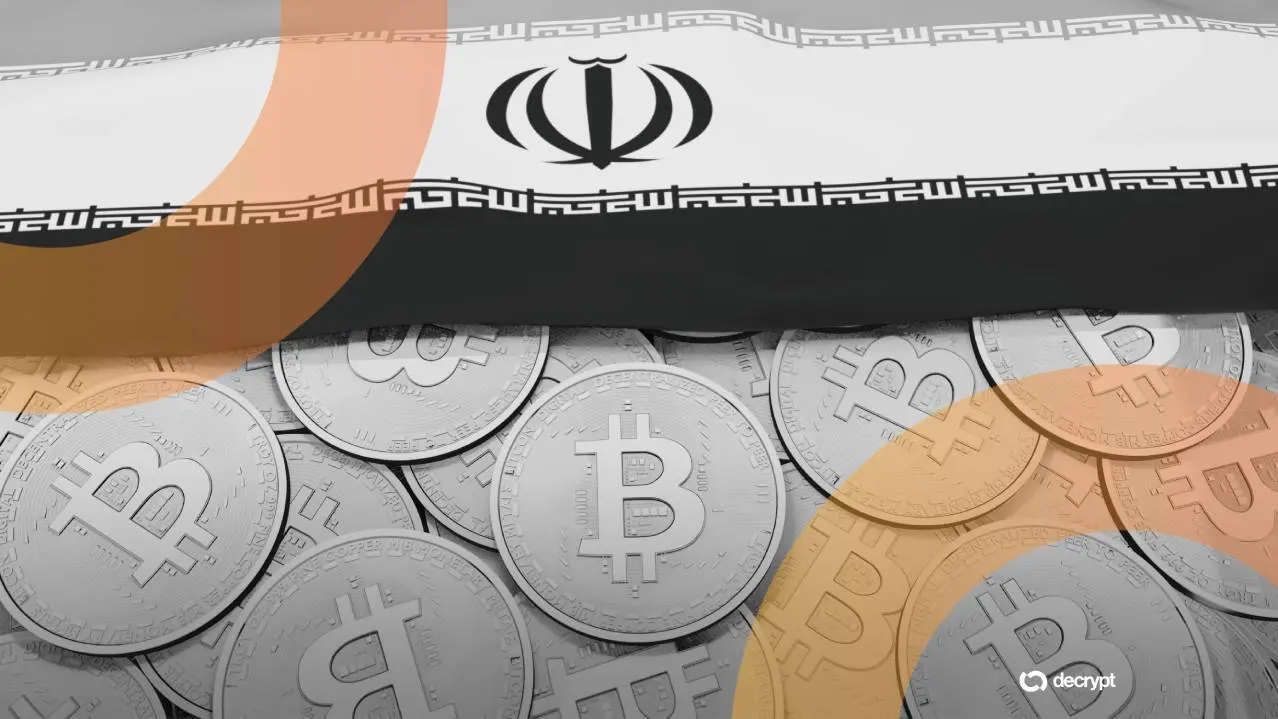
The United States Treasury Department has expanded its sanctions authority to target individuals and entities operating within Iran's cryptocurrency sector, marking a significant escalation in the government's economic pressure campaign against Tehran.
A Broadened Sanctions Net
The move places digital assets among five key sectors now subject to potential penalties under the newly designated authority. Alongside cryptocurrency, the Treasury identified technology, gold, aviation, and shipping as areas where the U.S. can impose sanctions on anyone conducting business tied to Iran.
Officials characterized the sweeping action as an "Economic D-Day," signaling the intensity with which the administration intends to enforce financial isolation. The framing suggests that Washington views these industries as critical channels through which Iran could evade existing restrictions or generate revenue.
Anyone operating in Iran's crypto sector now falls squarely within reach of American sanctions.
Crypto in the Crosshairs
By explicitly naming cryptocurrency as a targeted sector, the Treasury acknowledged the growing role that digital assets play in cross-border finance and, potentially, in circumventing traditional banking sanctions. Governments have increasingly scrutinized crypto as a tool that sanctioned states and actors might use to move value outside conventional financial systems.
The designation means that exchanges, service providers, and other participants linked to Iran's crypto industry could face penalties, regardless of where they are based. This expands the reach of U.S. enforcement well beyond national borders.
Key features of the new authority include:
- Cryptocurrency named as one of five targeted sectors
- Technology, gold, aviation, and shipping also covered
- Treasury's "Economic D-Day" branding underscoring the scale
- Potential exposure for anyone doing business in these areas with Iran
The action reflects a continued trend of regulators treating digital assets as a serious vector for sanctions evasion, and it signals that firms operating anywhere near Iran's crypto ecosystem may now face heightened legal and financial risk.