
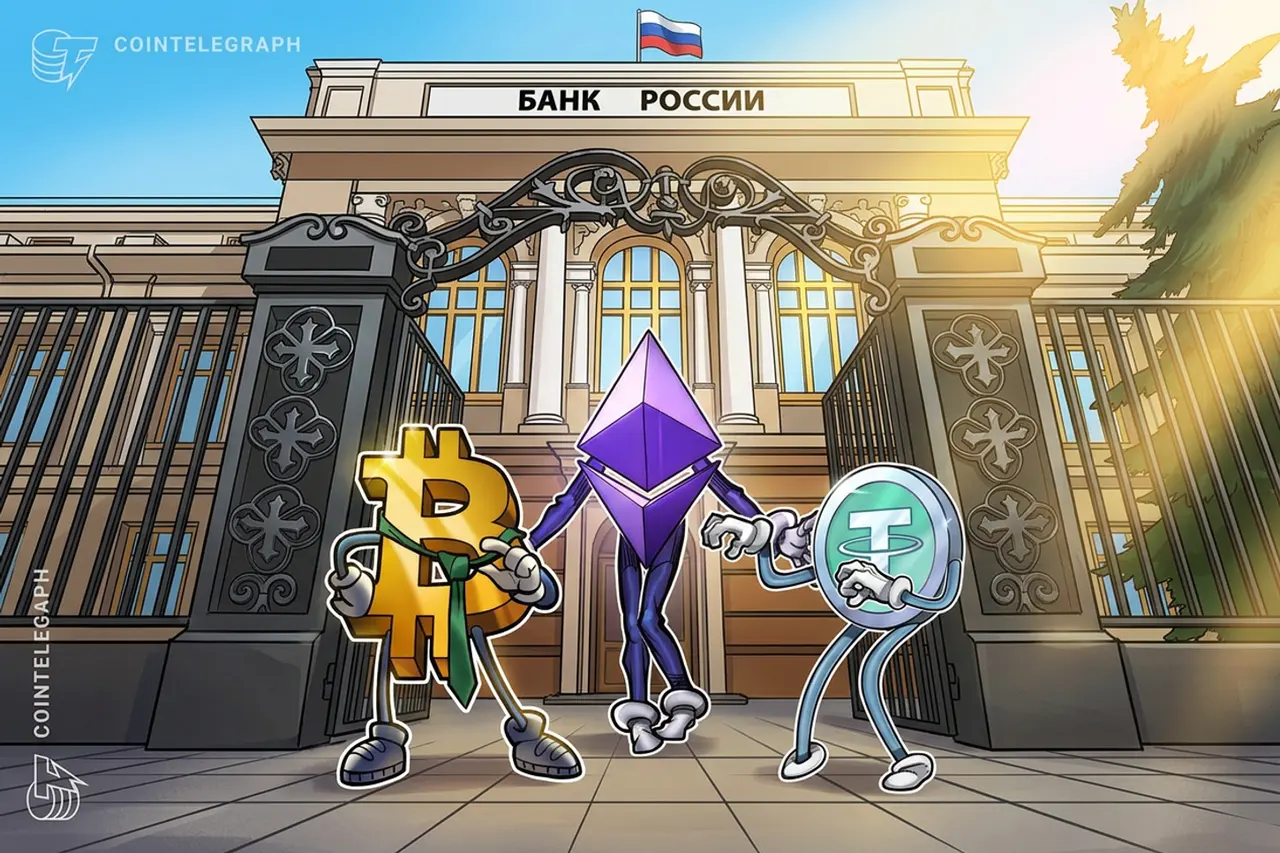
The Bank of Russia has put forward a proposal to permit trading of major cryptocurrencies, including Bitcoin, Ether and Tether's USDT stablecoin, on regulated domestic exchanges — a notable shift in the country's approach to digital assets.
A Regulatory Turning Point
The central bank's proposal arrives on the heels of new legislation signed by President Vladimir Putin last week, signaling that Russian authorities are moving toward a more structured framework for cryptocurrency activity. The plan would bring some of the largest digital assets into the fold of officially sanctioned trading venues rather than leaving them confined to informal or offshore channels.
For a country that has historically taken a cautious and often restrictive stance on crypto, the move represents a meaningful evolution. It suggests that policymakers are increasingly focused on channeling digital asset activity into supervised environments where it can be monitored and regulated.
Bringing Bitcoin, Ether and USDT onto regulated exchanges marks one of Russia's most significant steps yet toward mainstream crypto adoption.
What It Could Mean for the Market
By selecting Bitcoin, Ether and USDT, the central bank is targeting the assets that dominate global trading volumes and liquidity. The inclusion of a major stablecoin like USDT is especially notable, given its central role in facilitating trades and providing a dollar-linked store of value within crypto markets.
The proposal reflects a broader trend among governments seeking to reconcile the growth of digital assets with the need for oversight. Regulated exchange trading could offer investors clearer protections while giving authorities greater visibility into transaction flows.
Key elements of the development include:
- A central bank proposal to allow trading of Bitcoin, Ether and USDT
- A foundation built on recently signed federal legislation
- A focus on regulated, supervised exchange platforms
As the framework takes shape, market participants will be watching closely to see how the rules are implemented and which platforms ultimately gain approval to offer these assets to traders.