
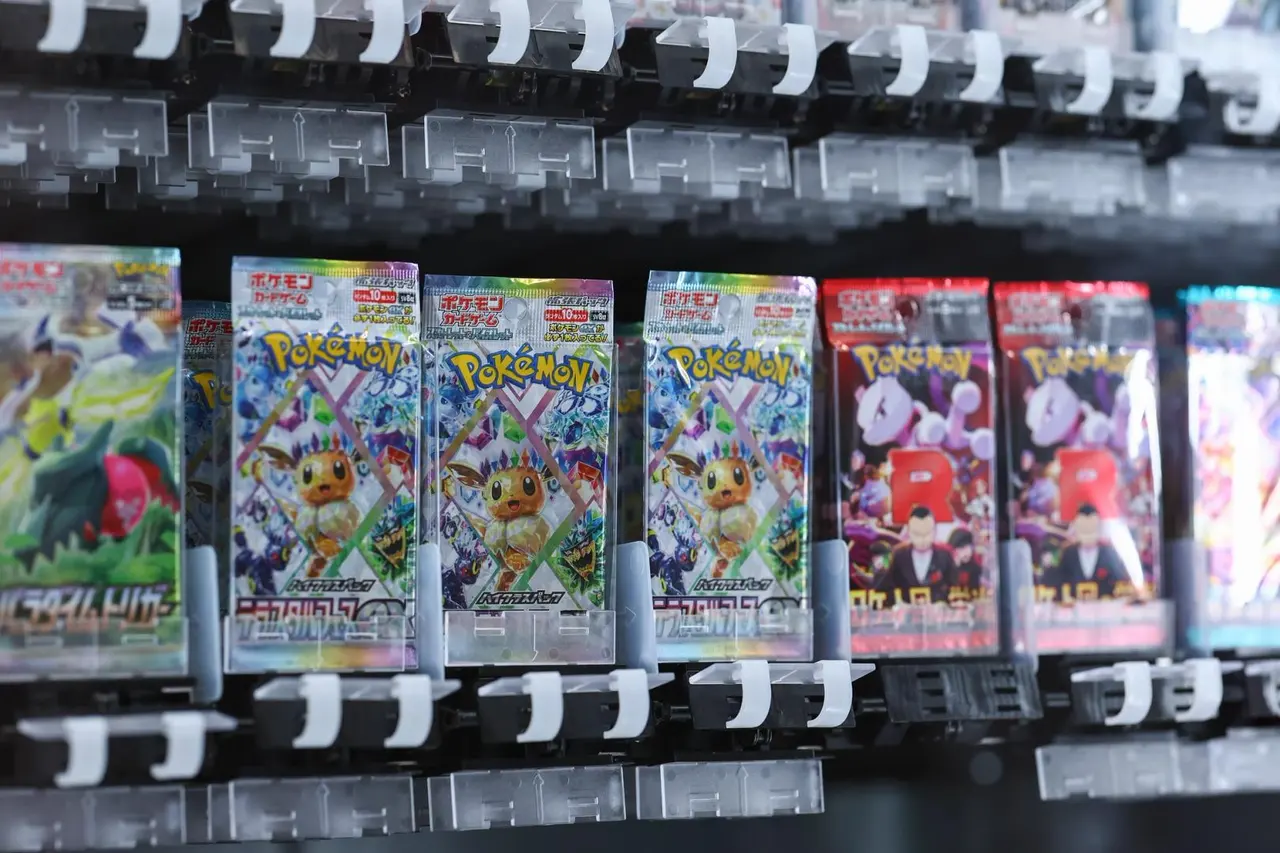
The booming market for Pokémon trading cards has caught the attention of blockchain entrepreneurs, who see an opportunity to modernize how collectors buy, sell, and store their prized cardboard. As collectors pour millions into rare cards, crypto startups are experimenting with turning physical cards into tokenized digital assets — though building enough liquidity to rival established marketplaces remains the tougher challenge.
A Growing Collectibles Boom
The trading card industry has swelled into a multibillion-dollar market, driven by nostalgia, speculation, and a wave of high-profile sales. Rare Pokémon cards in particular have fetched eye-watering sums at auction, with certain vintage editions changing hands for millions.
That surge in value has exposed the friction of traditional collecting. Buyers and sellers often rely on marketplaces where verifying authenticity, condition, and ownership can be slow and cumbersome. Physical cards also carry the risks of damage, loss, and forgery.
Turning cardboard into blockchain tokens is the easy part — the real test is finding buyers on the other side.
Where Crypto Comes In
Blockchain startups are pitching a solution: tokenize the cards. By linking a physical card to a digital token stored on a blockchain, companies aim to make ownership provable, transfers faster, and fractional investment possible. In these models, the physical card is typically held in a secure vault while the token trades freely.
The appeal is clear. Tokenization could allow collectors to buy a slice of an ultra-rare card rather than the whole thing, opening the market to smaller investors and potentially unlocking new demand.
- Provable ownership and authenticity recorded on-chain
- Faster settlement compared to traditional sales
- Fractional ownership of high-value cards
- Secure storage of the underlying physical asset
The Liquidity Problem
The bigger hurdle is liquidity. Established platforms already command large user bases and steady trading volume, giving sellers confidence they can find a buyer. Newer blockchain-based venues must attract enough participants to match that depth, or risk becoming markets where tokens are hard to sell.
Without sufficient buyers and sellers, tokenized cards could trade at a discount or sit stagnant, undermining the promise of easy digital exchange. For crypto firms betting on the collectibles space, convincing traditional collectors to migrate — and stay — will ultimately