
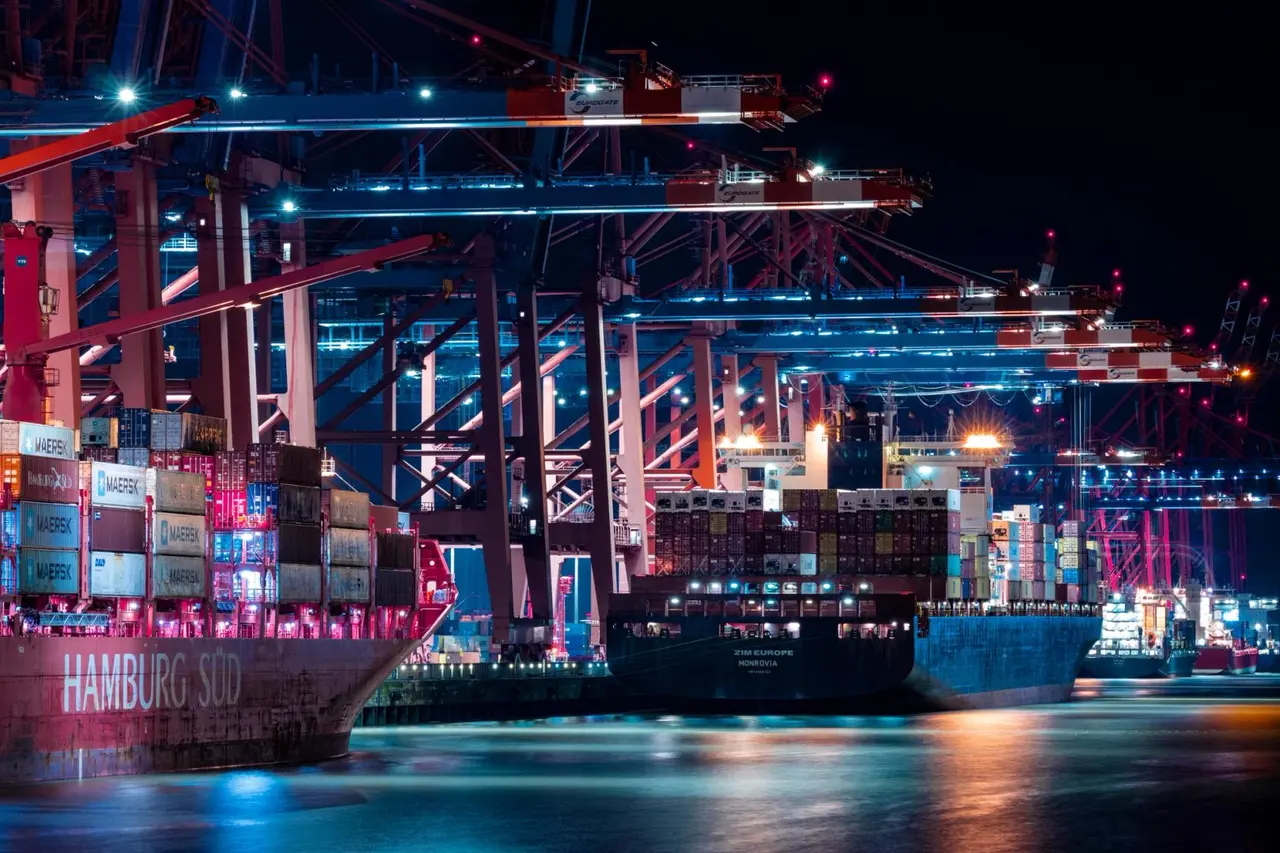
A partnership between ADI Chain and Shipfinex is set to bring commercial shipping assets onto the blockchain, targeting a maritime finance market valued at roughly $680 billion and a broader shipping asset class estimated at $2 trillion.
Bringing Ships On-Chain
The collaboration aims to tokenize commercial vessels, converting ownership stakes in ships into digital tokens that can be traded and held on a blockchain. By fractionalizing these assets, the partners hope to lower the barriers that have traditionally kept ship finance in the hands of a small circle of banks, shipping conglomerates and institutional lenders.
Ship finance has long been a capital-intensive and relatively illiquid corner of global markets. Vessels are expensive to build and operate, and funding typically comes through syndicated loans and specialized maritime lenders. Tokenization could allow a wider range of investors to gain exposure to the sector without committing to full ownership of a physical asset.
Tokenizing ships could crack open a $680 billion market that has long been reserved for banks and shipping giants.
A Growing Push for Real-World Assets
The move fits into the broader trend of tokenizing real-world assets, or RWAs, in which physical and traditional financial instruments are represented on blockchain networks. Advocates argue the approach can improve liquidity, streamline settlement and expand access to markets that were previously difficult for smaller participants to enter.
For ADI Chain, the partnership represents an effort to establish blockchain infrastructure tailored to maritime assets. Shipfinex brings domain expertise in ship finance, positioning the venture to connect traditional shipping capital with digital markets.
Key aims of the partnership include:
- Opening the ship-finance market to a wider pool of capital
- Enabling fractional ownership of commercial vessels
- Improving liquidity in a historically illiquid asset class
Whether the initiative gains traction will depend on regulatory clarity, investor appetite and the ability to bridge the gap between the conservative shipping industry and the fast-moving world of digital assets. If successful, it could serve as a template for tokenizing other large, capital-heavy sectors.