
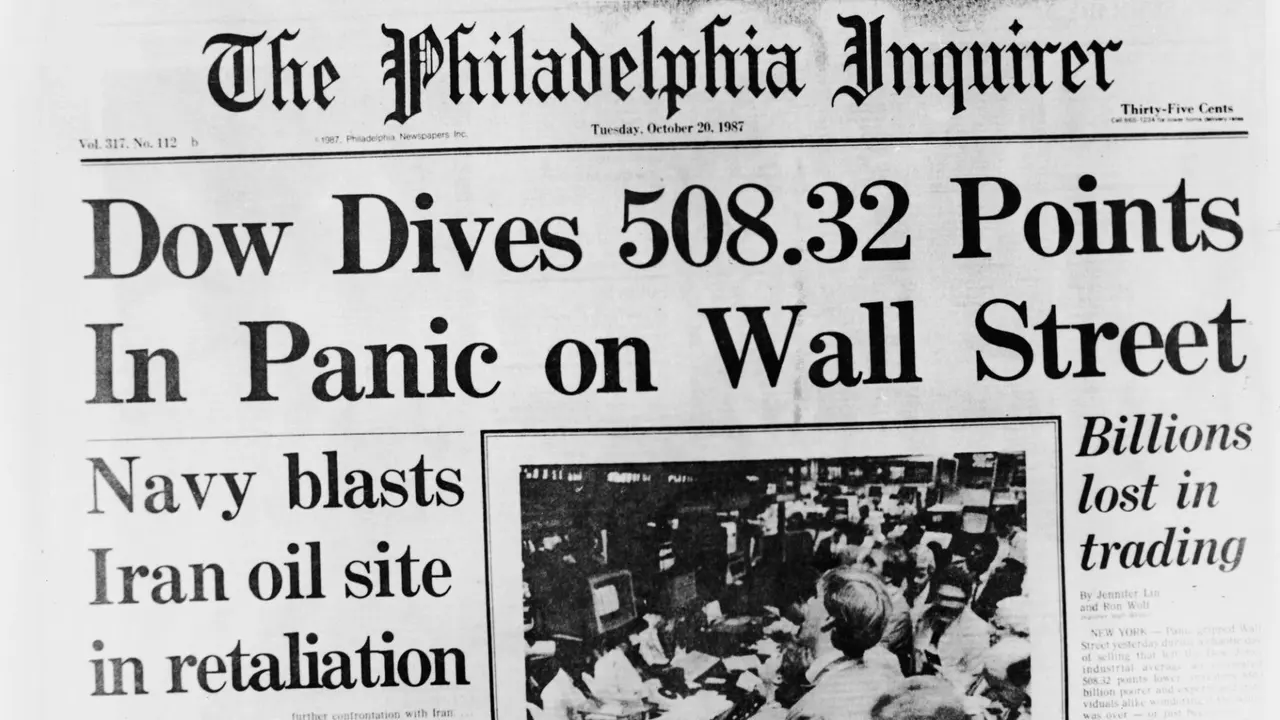
When yields on so-called safe assets climb high enough, they begin to draw money away from riskier bets like stocks and bitcoin — a dynamic that history has demonstrated repeatedly since the mid-20th century, and one investors would do well to remember today.
The Historical Pattern
The period spanning the 1960s through the 1990s offers a valuable case study in how the relationship between safe and risky assets evolves. When government bonds and other low-risk instruments offer attractive returns, capital naturally rotates toward them, leaving speculative assets to compete harder for investor attention.
During eras of elevated interest rates, the opportunity cost of holding non-yielding or high-volatility assets rises sharply. Investors weighing whether to allocate toward equities or emerging alternatives must justify taking on additional risk when a guaranteed return sits within easy reach.
When cash pays you handsomely, every risky bet has to work a lot harder to justify itself.
Lessons for Bitcoin and Stocks
That historical lens applies directly to the current environment, where bitcoin and equities both function as risk assets that must compete against yields available elsewhere. As monetary conditions shift, the calculus for holding these assets changes accordingly.
Bitcoin, which produces no yield of its own, faces a particular challenge when safe assets deliver strong returns. Its appeal often rests on narratives around scarcity, adoption, and long-term appreciation rather than income — a proposition that becomes tougher to sell when investors can earn competitive returns with far less volatility.
Stocks occupy a middle ground, since many pay dividends and offer earnings growth, but they too feel the pull when the risk-free rate rises. The broader takeaway is that no risk asset operates in a vacuum; each is measured against the alternatives available at any given moment.
Key considerations for investors navigating this landscape include:
- The prevailing level of yields on safe assets and their trajectory
- How much additional return risk assets must offer to remain attractive
- The role of narrative and long-term conviction in holding non-yielding assets
The Day Ahead
This analysis frames the day-ahead outlook for August 11, 2026, reminding market participants that the competition between safety and risk remains a constant force shaping capital flows. Understanding these dynamics can help investors position themselves as conditions continue to evolve.