
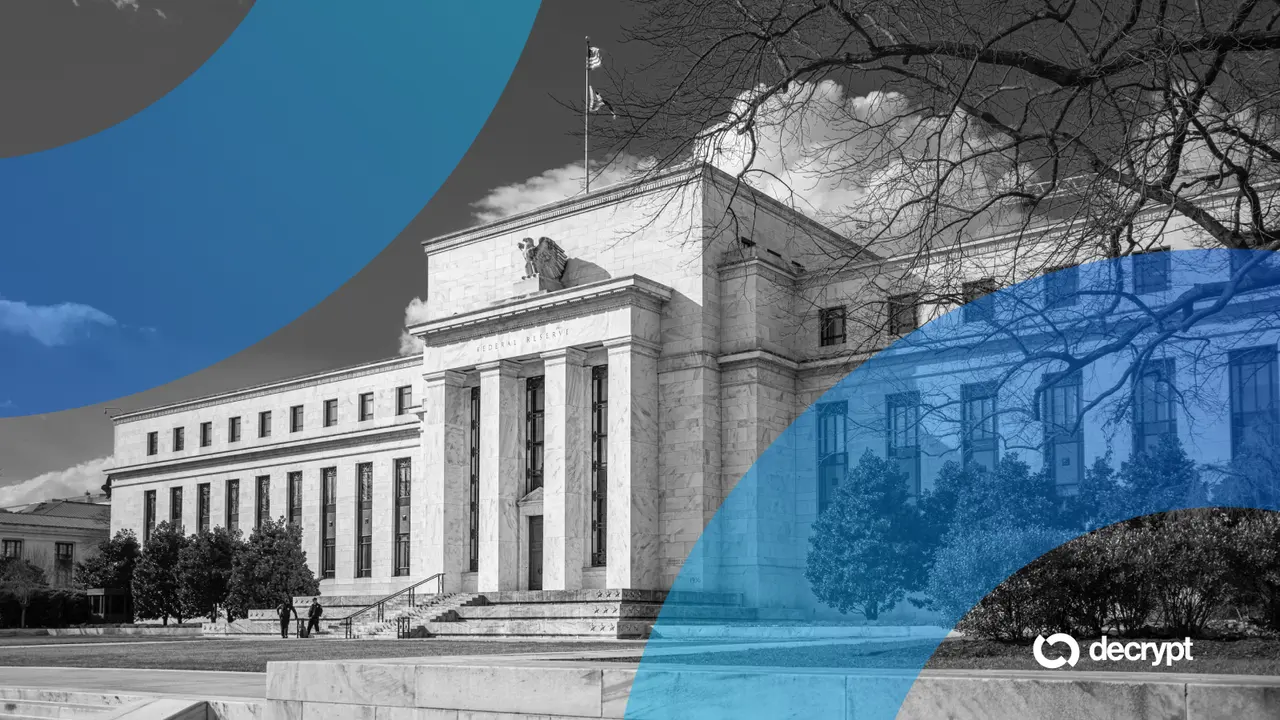
Nearly every major bank on Wall Street now anticipates the Federal Reserve will lift interest rates for the first time in three years, a shift that markets have largely absorbed but whose political consequences could stretch far beyond a single policy move.
## A Consensus Forms on Wall Street The expectation of a rate increase marks a notable turn for financial institutions that spent much of the past year debating when the central bank might begin cutting. Instead, a growing chorus of major banks has coalesced around the view that the Fed's next move will be upward, driven by persistent inflationary pressures and a resilient labor market.
For investors, much of the anticipated hike has already been factored into asset prices. Bond yields have adjusted, equity traders have recalibrated, and the broader market has taken the prospect in stride rather than reacting with alarm.
Markets have made their peace with higher rates — the real turbulence may be political, not financial.
## What It Means for Bitcoin and Bonds Rising rates typically weigh on risk assets, and Bitcoin is no exception. Higher borrowing costs tend to pull capital toward safer, yield-bearing instruments, reducing the appeal of speculative holdings. Yet the cryptocurrency's response may hinge as much on sentiment and liquidity conditions as on the rate decision itself.
Bonds, meanwhile, stand to see their yields climb, offering investors more attractive returns while pressuring existing holdings. The interplay between fixed-income markets and digital assets could shape how traders position themselves in the months ahead.
Key considerations for market watchers include:
- How much of the hike is already reflected in current pricing
- Whether Bitcoin decouples from traditional risk-asset behavior
- The trajectory of bond yields as the Fed signals its next steps
## The Political Dimension Beyond the trading floor, a rate hike carries significant weight in Washington. President Trump has repeatedly voiced frustration with the Fed's stance, and a move to raise rates could reignite tensions between the White House and the central bank over monetary policy independence.
The friction underscores a broader debate about the Fed's autonomy at a moment when economic and political interests appear increasingly at odds. While the immediate market impact of a single hike may be muted, the fallout in the political arena could prove more enduring and unpredictable.