
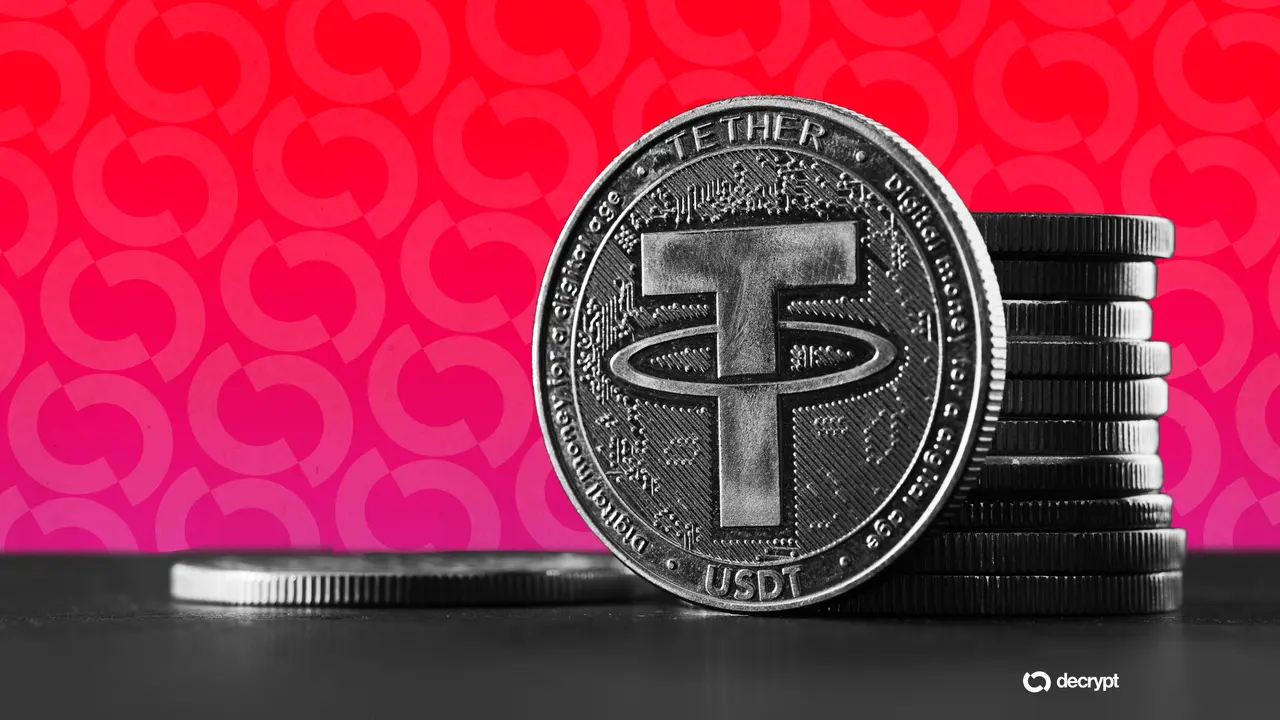
US Senator Richard Blumenthal has accused Tether's USDT stablecoin of serving as a "superhighway" for Iranian sanctions evasion, following the release of a subcommittee report that has been referred to the Treasury Department and the Department of Justice for further scrutiny.
The Subcommittee's Findings
The Connecticut Democrat's subcommittee published its report on Monday, laying out concerns that the world's largest stablecoin has become a conduit for actors seeking to bypass US sanctions on Iran. Blumenthal, who chairs the panel behind the investigation, framed USDT as a critical piece of infrastructure enabling illicit financial flows.
The findings were formally referred to both the Treasury and Justice Department, signaling that lawmakers want federal agencies to examine whether enforcement action or regulatory intervention is warranted.
"Superhighway" is the word one senator now uses to describe how the world's biggest stablecoin allegedly moves around sanctions.
Pressure Mounts on Tether
The accusation adds to a growing chorus of scrutiny facing Tether, whose USDT token underpins a substantial share of daily cryptocurrency trading volume. Critics have long argued that the stablecoin's widespread use and cross-border reach make it attractive to sanctioned entities and other bad actors.
Tether has repeatedly emphasized its cooperation with law enforcement, pointing to instances where it has frozen wallets and assisted authorities in tracking and recovering funds tied to criminal activity. The company maintains that its transparency tools help combat illicit finance rather than facilitate it.
Key points from the development include:
- The report was released on Monday by Blumenthal's subcommittee.
- Findings were referred to both the Treasury and Justice Department.
- The senator characterized USDT as a "superhighway" for evading Iranian sanctions.
The referral raises the possibility of heightened regulatory attention on stablecoins at a moment when US lawmakers are actively debating how to oversee the sector. Whether federal agencies pursue the matter further remains to be seen, but the report underscores the political risks facing dominant players in the digital asset market.