
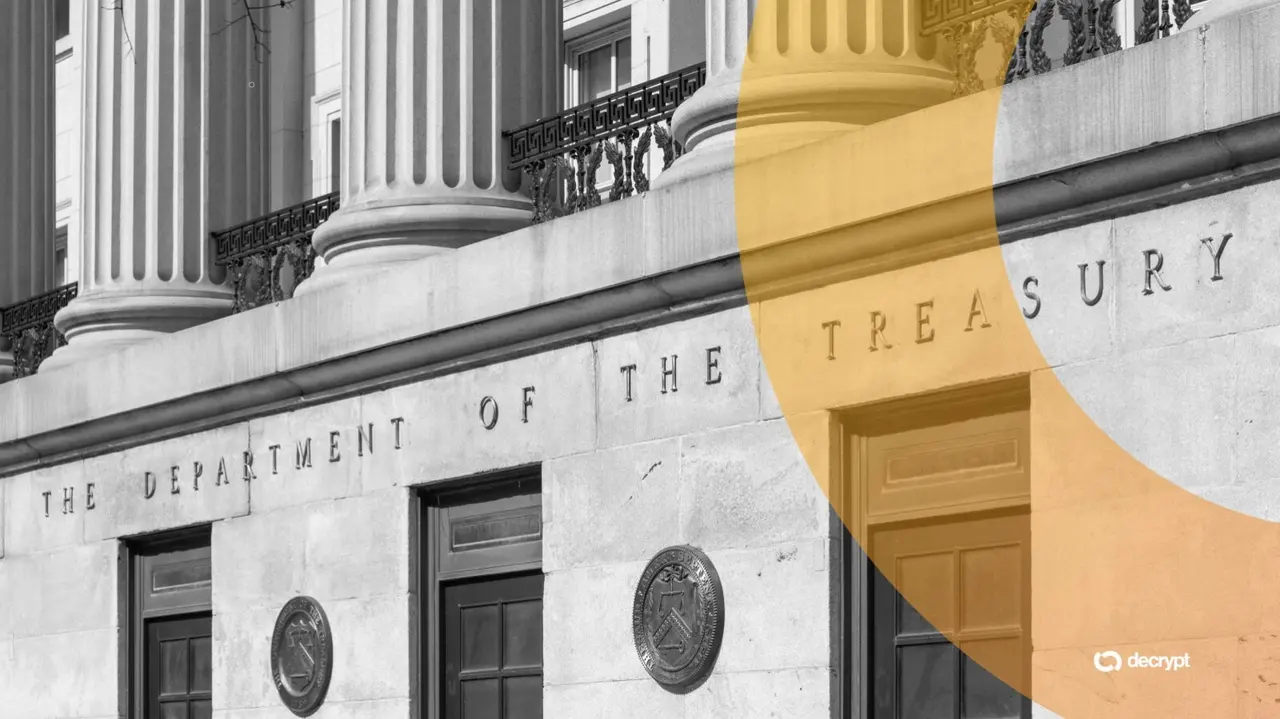
The U.S. Treasury Department has moved to designate Russia's A7 network as a transnational criminal organization, targeting the sprawling web of front companies the network allegedly uses to skirt sanctions and launder money, including through cryptocurrency.
A Crackdown on Sanctions Evasion
The proposed rule from Treasury is designed to sever A7 and its affiliated entities from the American financial system. Authorities contend that the network functions as a conduit for illicit finance, relying on a patchwork of front companies to obscure the movement of funds and circumvent international restrictions placed on Russia.
By formally labeling A7 as a transnational criminal organization, U.S. officials aim to make it far harder for the network's partners and shell firms to access dollars, banking channels, and the broader global financial infrastructure that depends on them.
Cutting off the dollar and crypto lifelines is the clearest signal yet that Washington views A7 as a core node in Russia's sanctions-evasion machinery.
The Crypto Connection
A central element of the designation is A7's use of digital assets. According to Treasury, a ruble-pegged token linked to the network facilitated an enormous volume of transactions, with roughly $179 billion in value moving through it. That figure underscores how stablecoins and other tokens have become increasingly attractive tools for actors seeking to operate outside traditional, closely monitored banking systems.
Ruble-denominated tokens offer a way to transfer value quickly across borders while sidestepping the scrutiny that comes with correspondent banking. For regulators, that makes them a priority target in the fight against sanctioned finance.
The action reflects a broader trend among U.S. authorities to treat crypto infrastructure as a frontline in enforcement efforts rather than an afterthought.
- Treasury's proposed rule targets A7's front companies and affiliates.
- The network allegedly moved about $179 billion via a ruble-linked token.
- The designation seeks to block access to U.S. financial and crypto channels.
What Comes Next
As a proposed rule, the designation will likely move through a review process before taking full effect, giving the measure a path toward formal implementation. Once finalized, it would give U.S. agencies additional leverage to pursue entities tied to the network and to pressure firms that continue to do business with it.
The move signals that regulators remain focused on the intersection of digital assets and sanctions evasion, a theme