
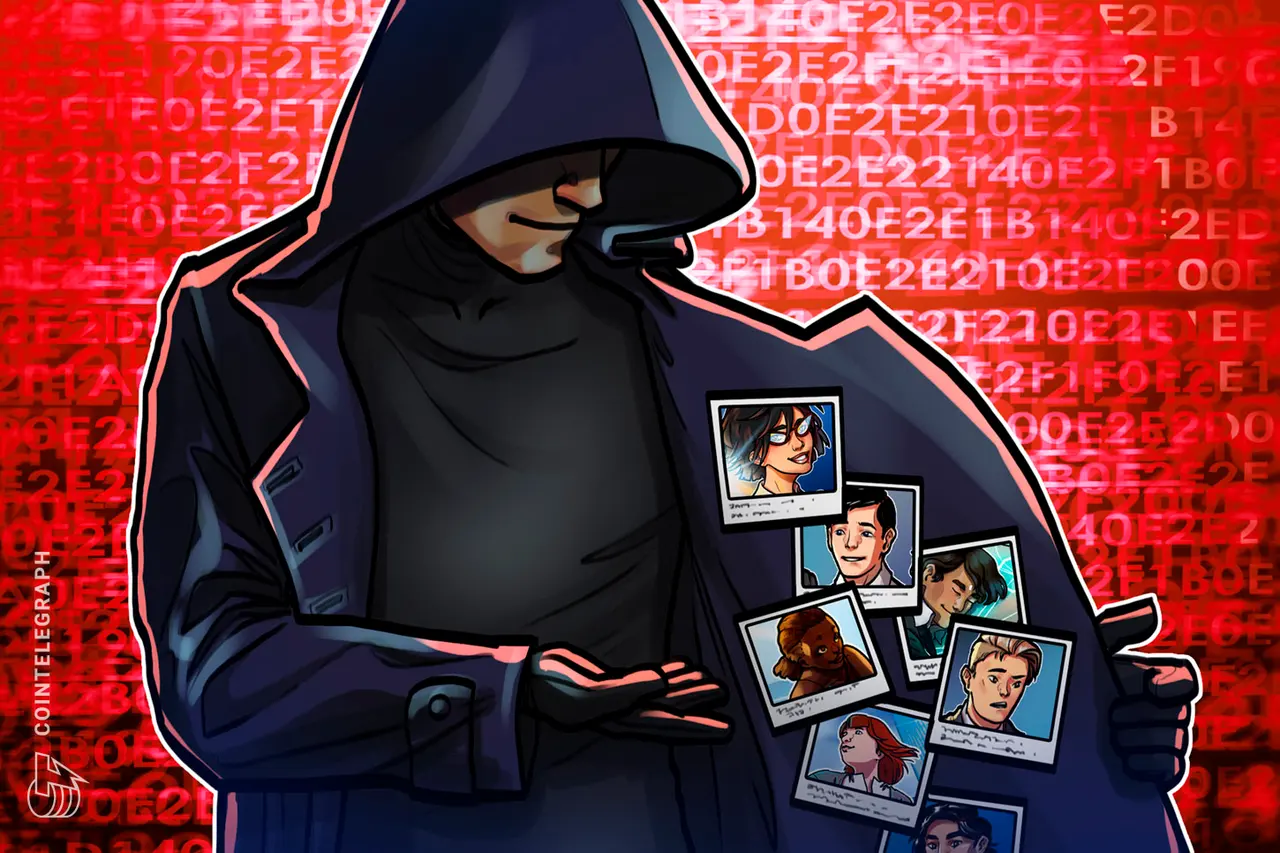
Hardware wallet maker Trezor has disclosed that personal information belonging to roughly 14,000 of its customers was exposed through a breach at one of its third-party shipping providers, raising concerns about a potential wave of phishing attacks targeting affected users.
What Happened
Trezor said the incident stemmed from a security lapse at ShipMonk, a logistics and fulfillment partner that handles order shipments. Data tied to about 14,000 customers was compromised as a result of the breach, exposing details that could be leveraged by malicious actors.
The company was quick to stress that the exposure did not extend to the core assets that matter most to its users. According to Trezor, all hardware devices, private keys and recovery backups remain fully secure and were never at risk during the incident.
No devices, private keys or backups were compromised — but customer data was, and that opens the door to phishing.
The Phishing Risk
The primary danger for affected customers is targeted phishing. With access to personal and order-related information, bad actors could craft convincing messages impersonating Trezor in an attempt to trick users into revealing sensitive credentials or recovery phrases.
Trezor urged customers to remain vigilant against suspicious communications and reminded them that it will never ask for a recovery seed or private keys. Users who receive unexpected emails, texts or messages claiming to come from the company should treat them with caution.
Key takeaways for customers include:
- Devices, private keys and backups were not affected
- Personal data of about 14,000 users may have been exposed
- Be alert to phishing attempts that impersonate the company
- Never share recovery seeds or private keys with anyone
Broader Context
The incident underscores a recurring vulnerability in the crypto industry, where third-party service providers can become weak links even when a company's own systems remain secure. Supply-chain and vendor-related breaches have repeatedly exposed customer data across the sector, feeding the steady stream of phishing campaigns aimed at wallet holders.
For hardware wallet users, the episode serves as a reminder that operational security extends beyond the device itself. Protecting recovery information and scrutinizing every unsolicited message remain essential defenses, particularly in the aftermath of a data exposure event.