
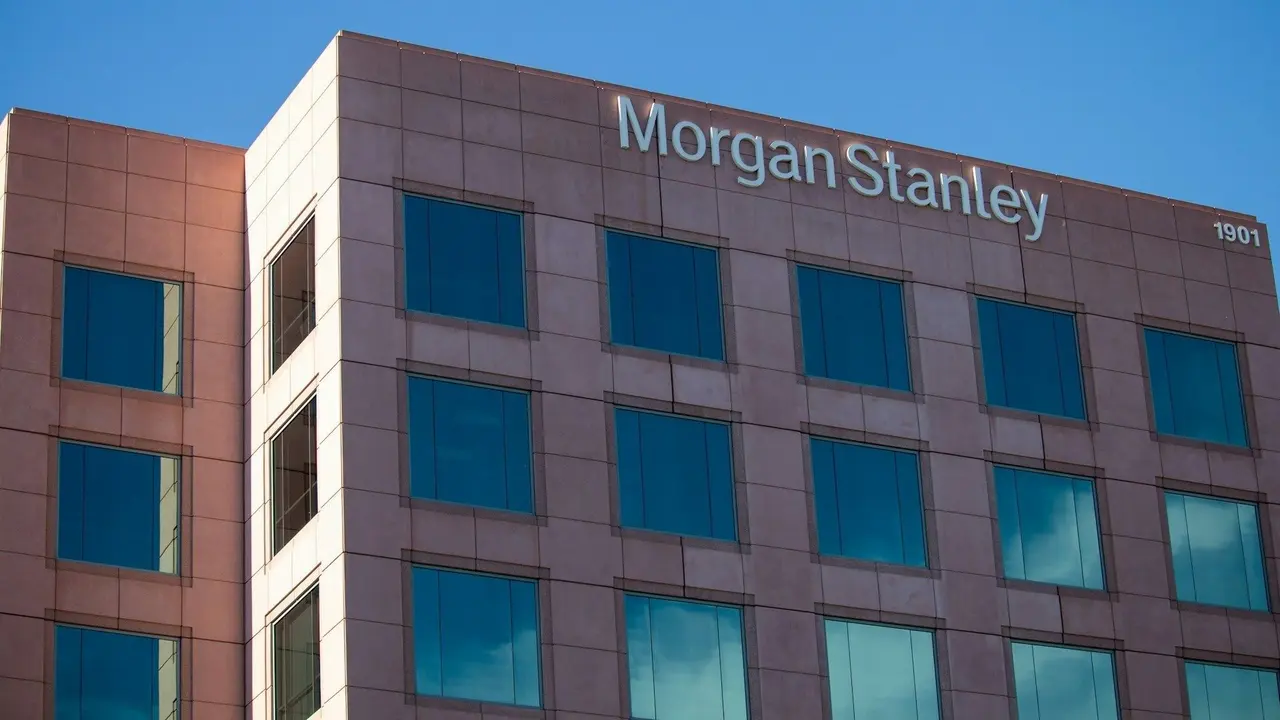
Wall Street Confronts an Always-On Future
Morgan Stanley executives have declared that the conventional 9-to-5 banking schedule is on its way out, as tokenization and round-the-clock digital markets push traditional finance toward a model that never sleeps.
The shift reflects a broader transformation across the financial industry, where the boundaries that once confined trading and settlement to standard business hours are dissolving. As blockchain-based assets and continuous markets gain traction, banks are being forced to rethink operations built for a slower, hours-limited era.
For decades, banking activity followed predictable rhythms tied to office hours and regional time zones. But the rise of digital assets and tokenized instruments has introduced a marketplace that operates every hour of every day, regardless of geography.
The clock that governed finance for generations is quietly winding down.
Tokenization Drives the Change
Tokenization — the process of representing real-world assets as digital tokens on a blockchain — sits at the heart of this evolution. By enabling assets to be traded and settled continuously, the technology removes many of the friction points that historically slowed transactions.
According to the Morgan Stanley executives, this always-on capability is no longer a distant concept but an emerging reality that institutions must prepare for now. Firms that fail to adapt risk falling behind competitors that embrace continuous operations.
The implications extend beyond convenience. A 24/7 financial system could reshape everything from staffing and infrastructure to risk management and regulatory oversight, demanding new approaches from banks accustomed to fixed schedules.
Key drivers of the transition include:
- Growing adoption of tokenized assets across markets
- Investor demand for instant, around-the-clock settlement
- Competitive pressure from crypto-native platforms already operating nonstop
What It Means for Traditional Finance
The move toward always-on banking signals that legacy institutions are increasingly acknowledging the influence of blockchain technology on mainstream finance. Rather than resisting the trend, major players like Morgan Stanley appear to be positioning themselves to participate in it.
As the industry adjusts, the traditional trading day may soon feel like a relic. For customers and institutions alike, the promise is a faster, more flexible system — one that operates on the market's terms rather than the clock's.