
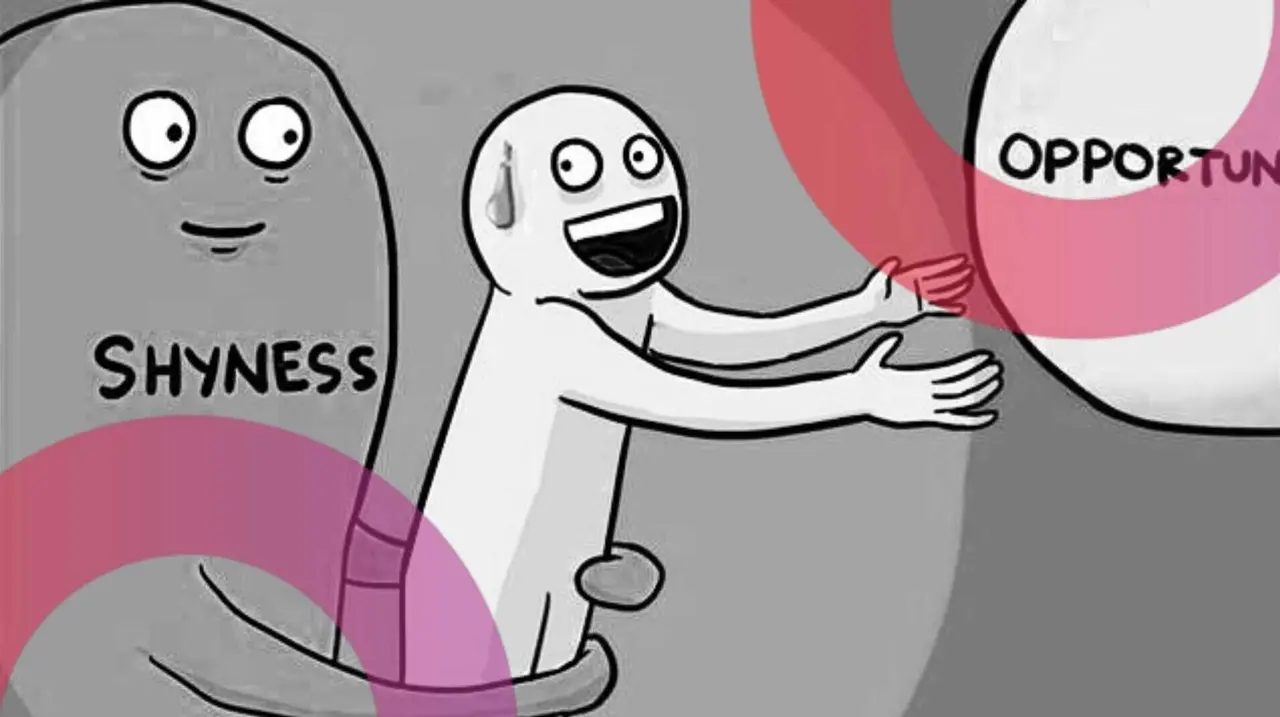
The artist behind the widely shared "Running Away Balloon" comic has filed a lawsuit against an AI-powered meme generator, alleging that the platform incorporated the popular image into its paywalled catalogue of advertising templates without permission.
A Different Kind of AI Lawsuit
The legal action stands apart from the wave of copyright battles that have dominated headlines around generative artificial intelligence. Rather than challenging how companies scrape and train models on copyrighted material, the complaint takes aim at something more concrete: the direct use of a specific creative work as a ready-made template offered to paying customers.
According to the suit, the comic was placed within a searchable library of templates, indexed by name and available to users who paid for access. That framing shifts the argument away from the murky terrain of training data and toward a more traditional claim of unauthorized commercial reproduction.
The case sidesteps the training-data debate entirely, targeting how a meme was allegedly sold as an ad-ready template.
Why the Approach Matters
By focusing on the template catalogue rather than the training process, the artist's legal team may be positioning the case on firmer footing. Courts have struggled to reach consensus on whether ingesting copyrighted works to train AI systems constitutes fair use, leaving that question largely unsettled.
A claim centered on a paywalled, searchable image is far more straightforward. If the comic was reproduced and monetized as a distinct product feature, the dispute resembles conventional copyright infringement more than it does the novel questions raised by machine learning.
The outcome could carry weight for artists and creators who see their work repurposed by AI tools marketed to businesses. Key issues at stake include:
- Whether hosting an image in a template library counts as direct infringement
- How platforms account for creative works offered behind a paywall
- Whether naming and indexing an artwork strengthens a creator's claim
The case underscores growing friction between independent creators and the AI platforms building commercial products around internet culture, and it may offer a clearer test of liability than the broader training-data lawsuits still winding through the courts.