
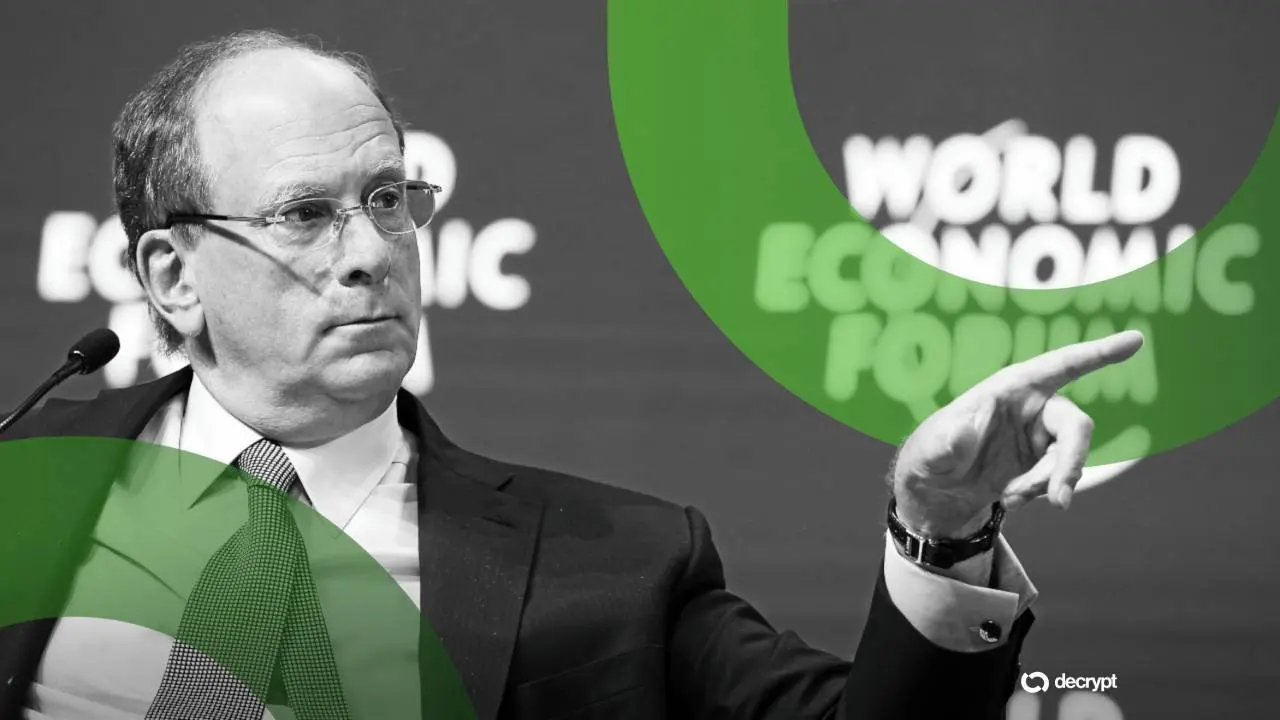
BlackRock is deepening its commitment to blockchain-based finance through a growing relationship with Ondo Finance, signaling that the world's largest asset manager sees tokenization as a central pillar of its future strategy.
A Bigger Bet on Tokenization
The move underscores how major financial institutions are no longer merely experimenting with blockchain technology—they are actively shifting real products onto public and permissioned ledgers. BlackRock's expanding ties with Ondo Finance reflect a broader industry trend in which traditional finance and decentralized infrastructure are converging.
Ondo has positioned itself as a bridge between conventional assets and the onchain world, specializing in tokenized versions of instruments like U.S. Treasuries and money market funds. By leaning further into this partnership, BlackRock is reinforcing the idea that tokenized real-world assets could become a significant part of institutional portfolios.
The world's biggest money managers aren't just testing tokenization anymore—they're building on it.
Why the Pace Is Accelerating
The appetite for bringing traditional financial products onchain has intensified as institutions look for greater efficiency, faster settlement, and round-the-clock accessibility. Tokenization promises to reduce friction in markets that have long relied on legacy systems and intermediaries.
BlackRock has already made notable strides in this space, most prominently through its tokenized fund offerings that have attracted substantial capital. Each new step, including its deeper engagement with Ondo, adds momentum to a sector that many analysts believe could reshape how assets are issued, traded, and held.
Key drivers behind the acceleration include:
- Demand for instant, 24/7 settlement outside traditional banking hours
- Growing institutional comfort with blockchain infrastructure
- The potential to unlock liquidity in traditionally illiquid markets
As the biggest players in global finance continue to move products onto blockchains, the line between traditional and digital markets grows increasingly blurred—and the direction of travel appears firmly set toward wider adoption.