
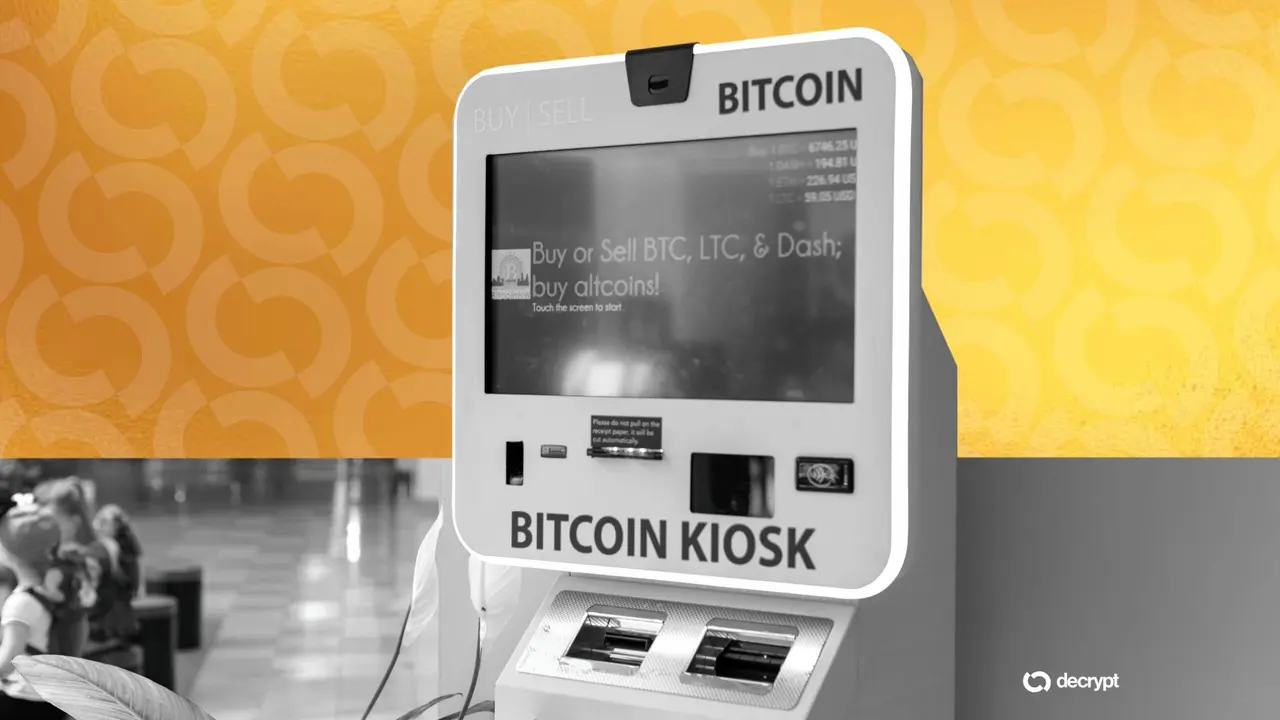
Crypto kiosk scams have drained roughly $57 million from Texas residents, prompting state lawmakers to consider an outright ban on Bitcoin ATMs rather than settling for tighter regulations.
Mounting Losses Across Texas
Fraud tied to cryptocurrency kiosks has become a growing concern in Texas, where victims have collectively lost an estimated $57 million to scams involving the machines. The devices, which allow users to buy digital assets with cash, have increasingly become tools for fraudsters who direct unsuspecting victims to deposit money at the terminals.
Scammers frequently impersonate government agencies, tech support representatives, or romantic partners, pressuring targets into converting cash into crypto through the kiosks. Once the funds are transferred, they are nearly impossible to recover, leaving many victims — often older adults — with devastating financial losses.
Lawmakers say the machines have become a fast lane for fraud, funneling cash straight into the hands of scammers.
Lawmakers Weigh Tougher Action
A committee chair overseeing the issue has signaled that Texas intends to move beyond simply regulating the kiosks, suggesting the state could pursue stronger measures against the machines. The remarks indicate that a full ban is on the table as legislators grapple with the scale of the losses.
Texas would not be alone in taking a hard line. Three states have already outlawed Bitcoin ATMs, reflecting a broader trend of skepticism among policymakers who view the terminals as facilitating more harm than benefit.
Supporters of a crackdown argue that the machines offer limited legitimate use while providing an easy channel for criminals. Key concerns driving the debate include:
- The difficulty of recovering stolen funds once transactions are completed
- The disproportionate targeting of elderly and vulnerable residents
- The role of impersonation scams that push victims toward the kiosks
As the discussion advances, Texas lawmakers face the question of whether to impose stricter oversight or follow other states in banning the devices altogether. The outcome could shape how the state balances consumer protection against the growth of cash-based crypto access points.