
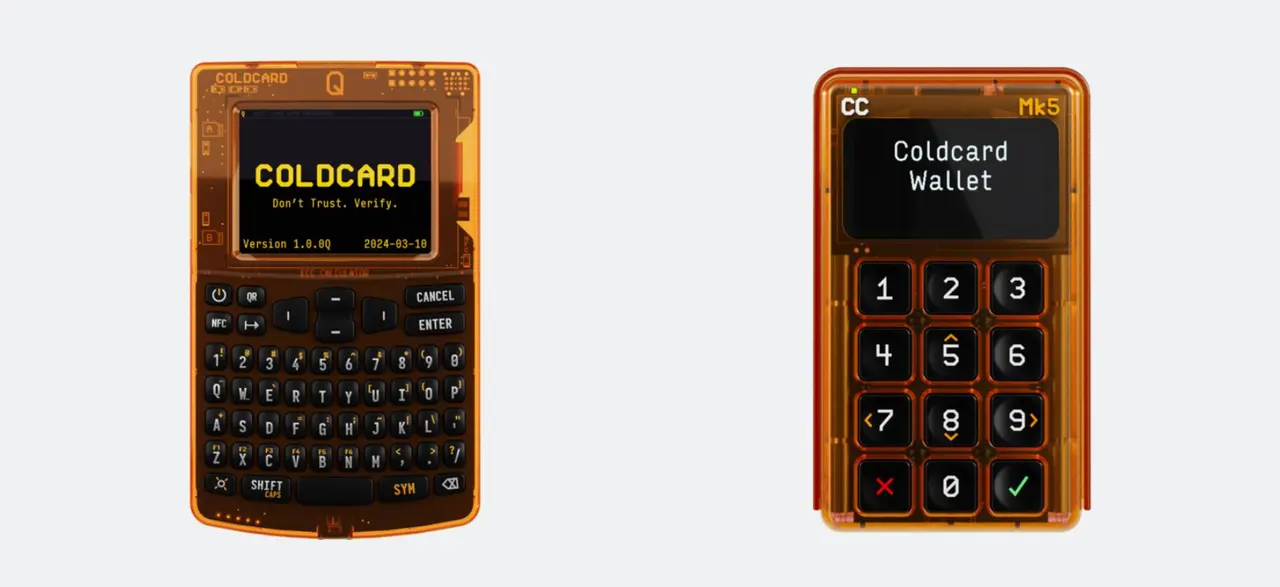
A software vulnerability in the widely used Coldcard hardware wallet has resulted in the theft of nearly 600 bitcoin — worth roughly $38 million and counting — reigniting debate over whether self-custody has become too dangerous for ordinary investors and whether regulated products like exchange-traded funds offer a safer path.
What Went Wrong
The exploit stems from a software flaw in Coldcard, a hardware wallet long favored by security-conscious bitcoin holders for keeping private keys offline and away from internet-connected threats. The bug allowed attackers to drain funds from affected devices, with the tally of stolen coins climbing as the situation unfolds.
Hardware wallets are marketed as one of the most secure ways to hold cryptocurrency because they store the keys that control funds on a physical device rather than on an exchange or online platform. The incident undercuts that reputation, showing that even purpose-built cold storage tools are not immune to critical software defects.
When the very devices built to protect your keys can be turned against you, the promise of self-custody starts to wobble.
The Self-Custody Dilemma
For years, the crypto mantra "not your keys, not your coins" has pushed enthusiasts toward taking direct control of their assets. But that responsibility comes with a heavy burden: a single mistake, lost seed phrase, or now, an undetected software bug, can wipe out a fortune with no recourse.
The Coldcard episode highlights the tradeoffs facing everyday investors who may lack the technical expertise to navigate firmware updates, verify device integrity, and respond to emerging threats. Managing private keys demands vigilance that many casual holders simply cannot sustain.
- Nearly 600 bitcoin stolen so far, valued at about $38 million
- The theft traces to a software bug in the Coldcard device
- Losses could rise as the exploit continues to be assessed
A Push Toward ETFs?
Analysts suggest the breach could nudge some investors toward regulated alternatives such as spot bitcoin ETFs, which handle custody through professional institutions and remove the operational risks of managing keys directly. For those unsettled by the Coldcard news, the convenience and oversight of an ETF may look increasingly attractive.
Still, the episode is a reminder that no approach is entirely risk-free. Whether investors keep their coins in cold storage or opt for regulated funds, the incident undersc