
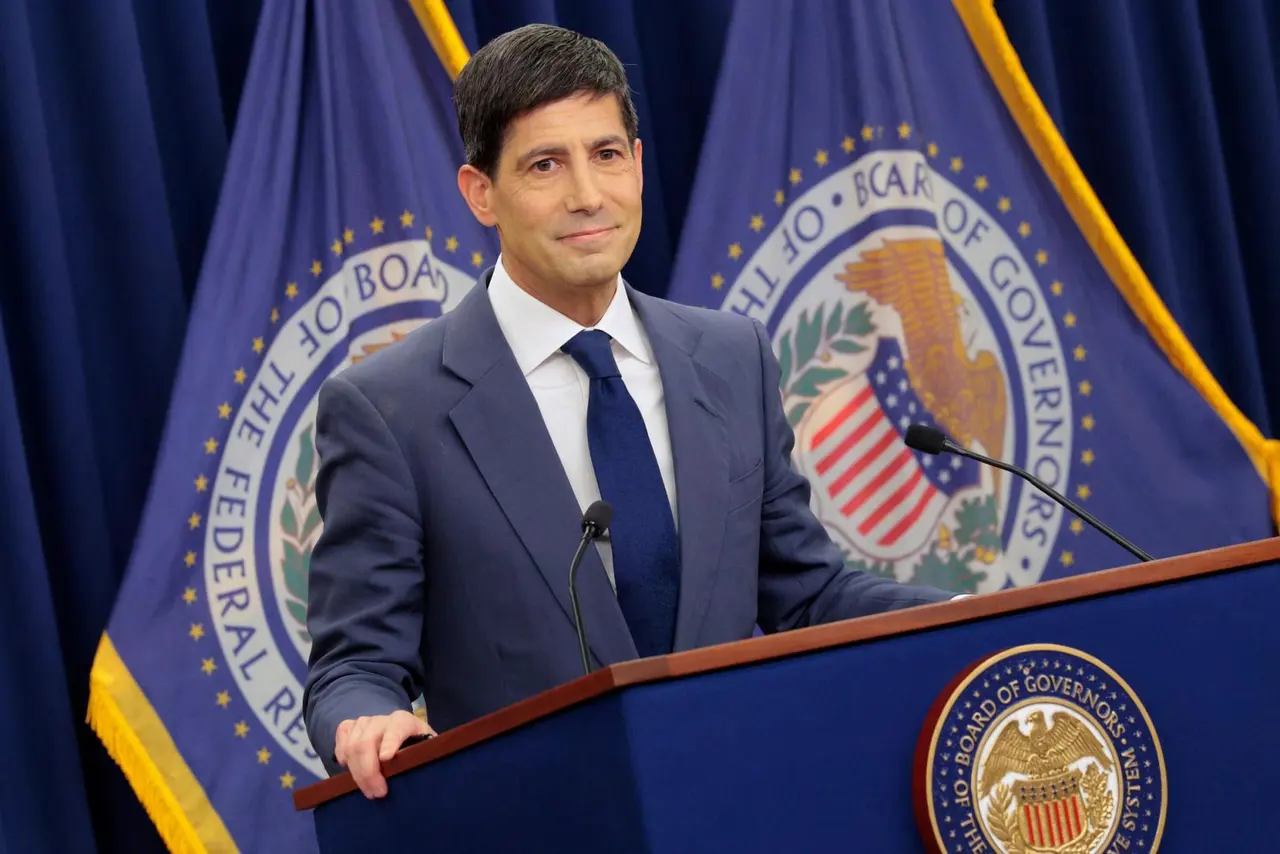
Bitcoin is treading water near $80,000 as traders position themselves ahead of a pivotal Federal Reserve decision, with market watchers warning that an unexpected hold on rates could prove more disruptive than a widely anticipated move.
Traders Play a Waiting Game
The world's largest cryptocurrency has struggled to break out of a tight range in recent sessions, reflecting the caution that typically grips markets in the run-up to a Fed announcement. Rather than making aggressive directional bets, many participants have chosen to sit on the sidelines and wait for clarity.
That hesitation has translated into a notable buildup of stablecoin positions. By converting holdings into dollar-pegged tokens, traders effectively park capital in a low-risk staging area, ready to redeploy once the central bank's intentions become clear.
The real risk isn't the move everyone sees coming — it's the one no one is priced for.
Why a Surprise Hold Could Sting
The market has largely baked in expectations for the Fed's next step, meaning a decision in line with consensus would likely produce a muted reaction. The bigger threat, analysts suggest, comes from a surprise hold that would catch positioned traders off guard and force a rapid repricing of risk assets, including bitcoin.
When central bank actions diverge from expectations, volatility tends to spike as leveraged positions unwind and sidelined capital scrambles to react. For a market as sentiment-driven as crypto, that kind of shock can amplify price swings in either direction.
Key dynamics traders are watching:
- The large pile of stablecoins waiting to flow back into the market
- Bitcoin's inability to escape its current price band
- The potential for outsized moves if the Fed defies consensus
What Comes Next
Once the uncertainty clears, the stablecoin reserves that have accumulated could quickly rotate back into bitcoin and other digital assets, potentially fueling a fresh leg of buying. Until then, the market appears content to hold its breath and await the Fed's signal.
For now, bitcoin's fate is tied less to crypto-specific catalysts and more to the macroeconomic backdrop — a reminder of how closely the asset class continues to track broader monetary policy.