
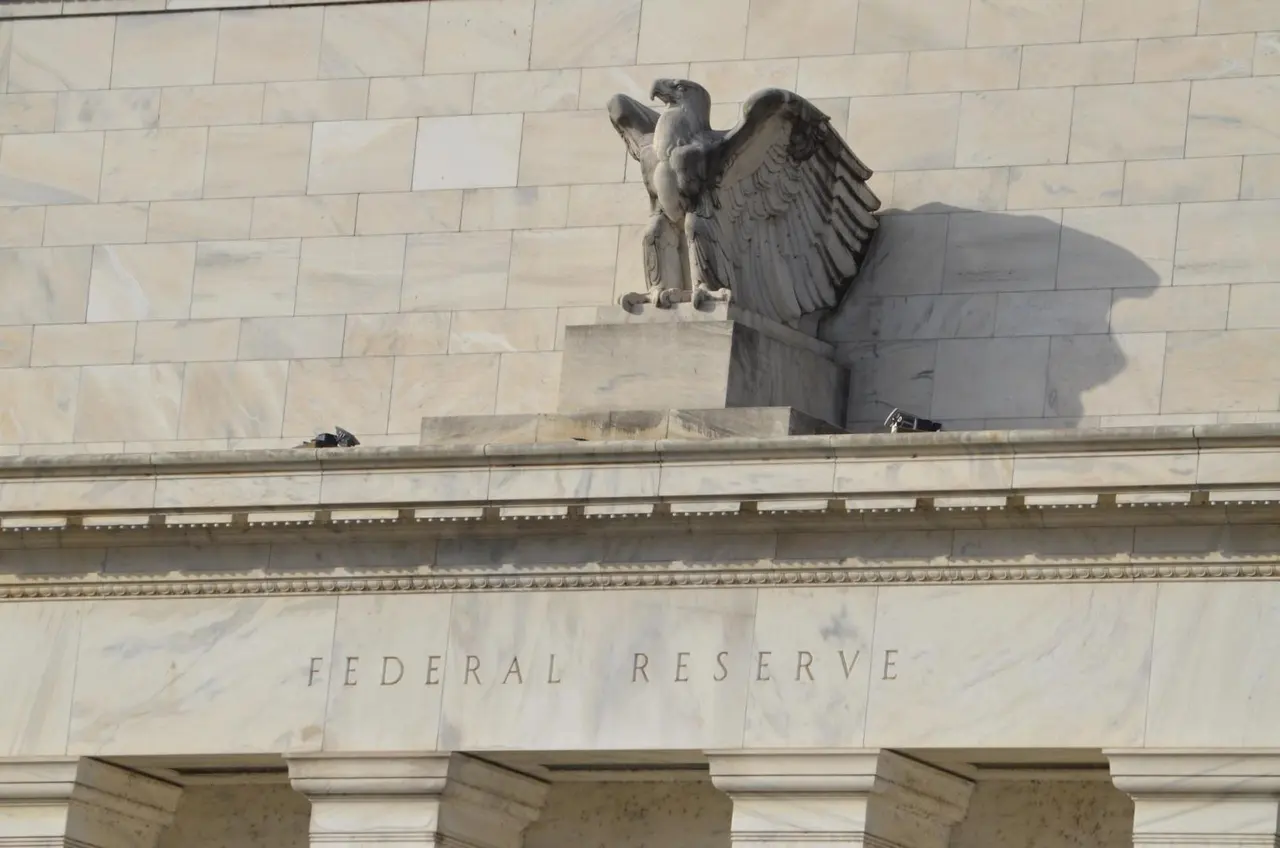
Bitcoin has broken from its usual dance partners in traditional markets, decoupling from both the U.S. Dollar Index and equities as traders position themselves ahead of a closely watched Federal Reserve decision.
A Shifting Correlation
For months, bitcoin's price movements have tracked closely with broader macro forces, most notably the strength of the dollar and the direction of U.S. stocks. That relationship appears to be loosening as of Sept. 16, 2026, with the cryptocurrency charting its own course while traditional benchmarks tell a different story.
The Dollar Index, a gauge of the greenback against a basket of major currencies, has typically moved inversely to bitcoin — a stronger dollar often pressuring risk assets like crypto. U.S. equities, meanwhile, have frequently served as a barometer for bitcoin's appetite among institutional players. The current divergence suggests investors may be treating digital assets differently in the run-up to the central bank's announcement.
When bitcoin stops following the crowd, traders start paying closer attention.
Eyes on the Fed
Market participants are bracing for the Federal Reserve's upcoming policy decision, an event that historically injects volatility across asset classes. Interest rate expectations shape everything from bond yields to the relative appeal of speculative holdings, and crypto is no exception.
The decoupling could reflect a few dynamics at play as the Fed meeting approaches:
- Traders repositioning portfolios in anticipation of rate guidance
- Reduced sensitivity to short-term dollar swings
- Growing conviction in bitcoin as a distinct macro asset
Whether the split proves temporary or marks a more durable shift will likely become clearer once the Fed delivers its verdict. For now, bitcoin is moving to its own rhythm, leaving analysts to weigh whether the break from tradition signals maturing market behavior or simply pre-decision jitters.
The coming sessions should offer a test of how tightly — or loosely — crypto remains tethered to the machinery of monetary policy and the wider financial system.