
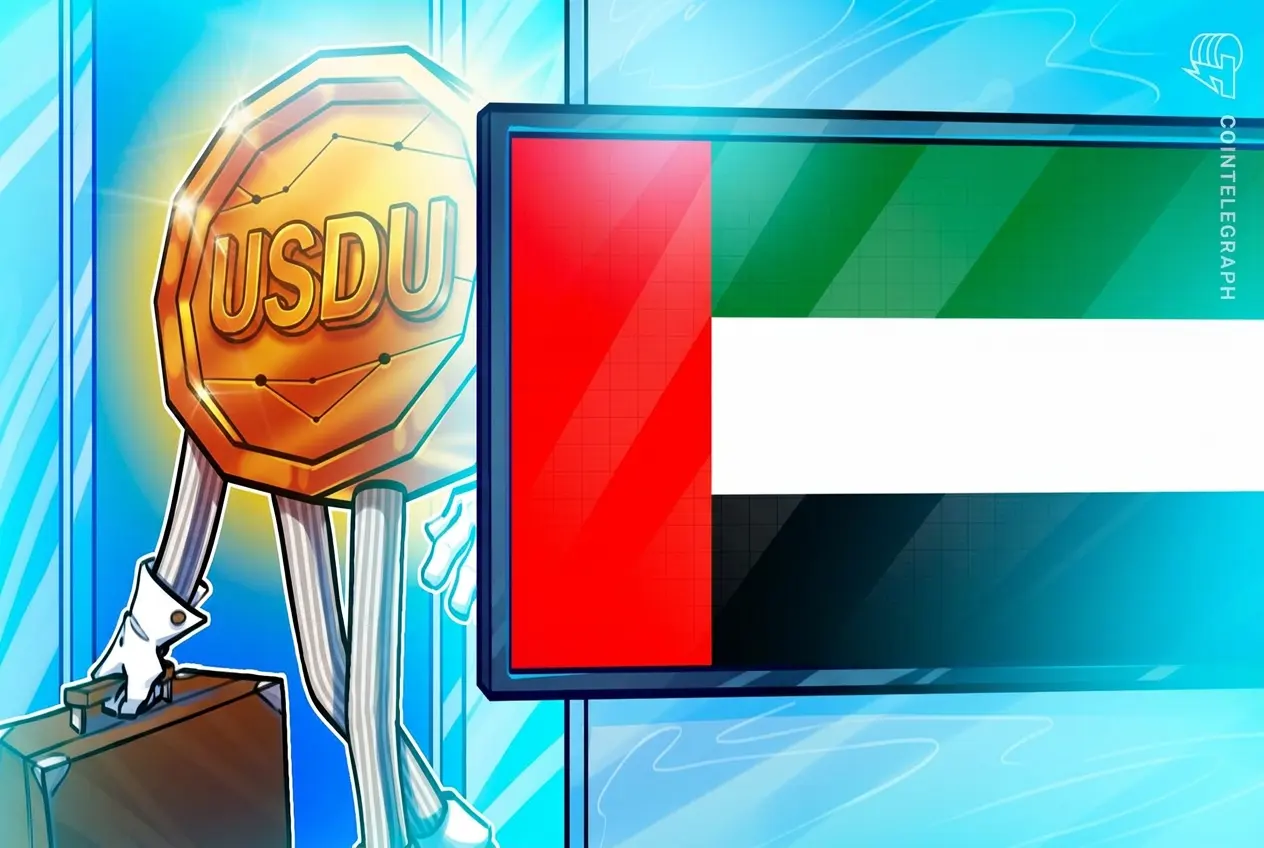
Bitcoin.com has added USDU, the United Arab Emirates' first central bank-registered US dollar stablecoin, to its self-custodial wallet, broadening consumer access to a token that had largely circulated within institutional channels.
A Push Beyond Institutional Rails
The move brings USDU directly to retail users who manage their own crypto assets, marking a notable step in the stablecoin's effort to expand distribution. Until now, the token had primarily operated through institutional pipelines, limiting its reach among everyday holders.
By plugging USDU into a widely used self-custodial wallet, the issuer gains a channel to reach individuals who prioritize control over their private keys rather than relying on centralized custodians.
A regulator-backed stablecoin is now within reach of anyone holding their own keys.
Regulatory Standing and What It Means
USDU carries a distinction that sets it apart in a crowded stablecoin market: it is registered with the UAE's central bank, positioning it as the country's first dollar-pegged token to secure that status. That regulatory footing is increasingly valued as governments worldwide sharpen their focus on stablecoin oversight.
The integration reflects a broader industry trend in which issuers seek to pair compliance credentials with accessible, consumer-facing platforms. Self-custodial wallets have become a key battleground for stablecoin adoption as users look for ways to transact without surrendering asset control.
Key aspects of the integration include:
- USDU's status as the UAE's first central bank-registered dollar stablecoin
- Distribution expanding from institutional to retail users
- Availability within a self-custodial wallet environment
The step underscores how stablecoin providers are looking to build out reach across both regulated and consumer markets as competition for adoption intensifies.