
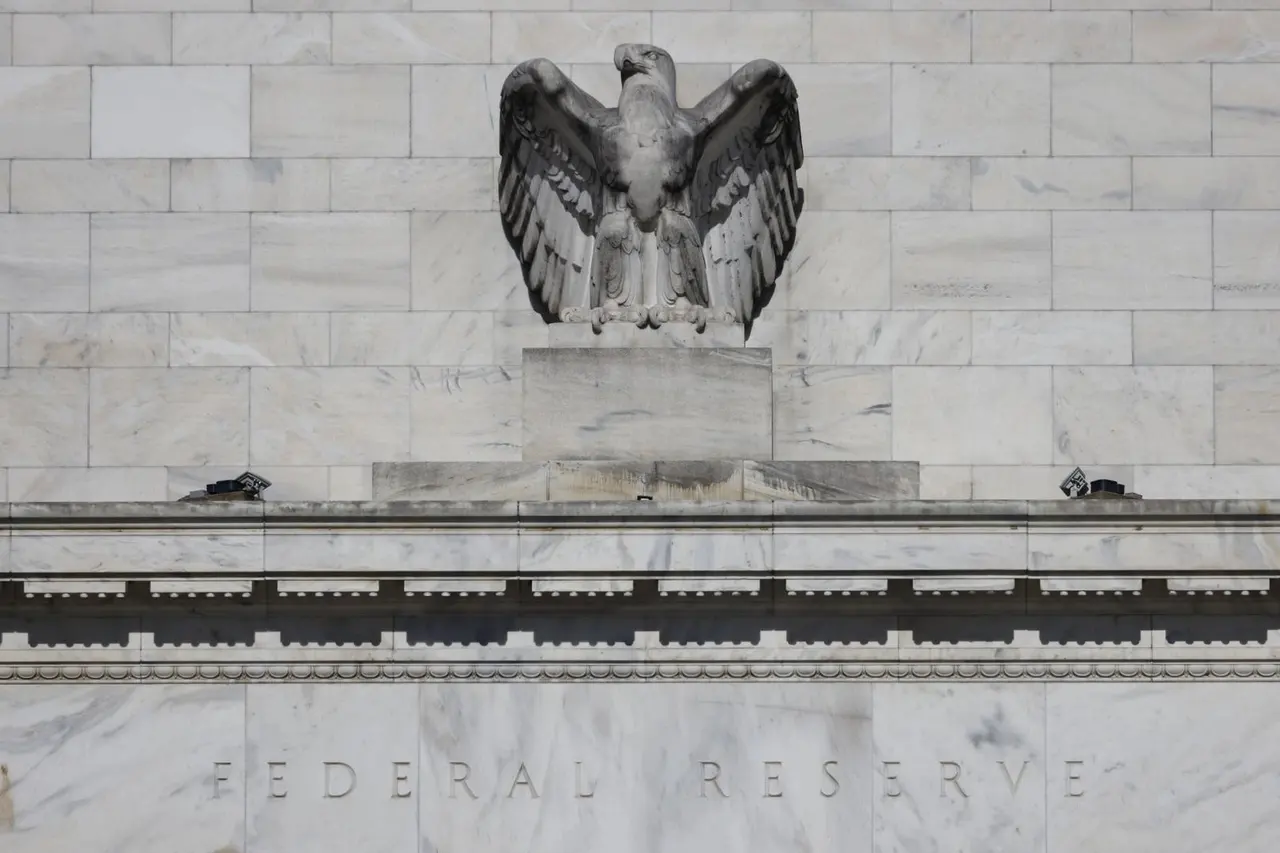
Master Account Debate Heats Up
A leading voice from the digital asset banking sector is pushing back against what she describes as an emerging two-tiered payments system in the United States, warning that qualified institutions are being unfairly locked out of critical financial infrastructure.
Rachel Anderika of Anchorage Digital argues that any institution meeting the standards to operate within America's banking system deserves a transparent and equitable route to access the country's core payment rails. The debate centers on access to master accounts and the payment networks operated through the Federal Reserve, which have historically been the exclusive domain of traditional banks.
At the heart of the issue is a growing tension between innovative financial firms, including chartered digital asset institutions, and a regulatory framework that critics say has not kept pace with the evolving landscape of finance.
If an institution qualifies to participate in America's banking system, it should have a clear path to America's payment system.
Why Access Matters
Proponents of broader access contend that without a direct connection to national payment infrastructure, qualified institutions are forced to rely on intermediary banks. This arrangement, they argue, introduces added costs, operational friction, and potential single points of failure that ultimately disadvantage consumers and businesses.
The concern is that a system where only certain players get first-class treatment could stifle competition and slow the pace of financial modernization. For firms operating in the crypto and digital asset space, the stakes are particularly high, as reliable payment access is fundamental to their ability to serve customers.
Key points raised in the discussion include:
- Institutions that meet banking qualifications should not face arbitrary barriers to payment systems
- A tiered structure risks entrenching incumbents and limiting innovation
- Intermediated access creates unnecessary cost and risk for newer entrants
The Broader Stakes
The argument reflects a wider push within the industry to secure regulatory clarity and equal footing for digital asset firms seeking to integrate with established financial systems. Advocates maintain that fair access is not about special treatment but about consistency—applying the same rules and opportunities to all qualified participants.
As policymakers and regulators continue to weigh how to accommodate a changing financial ecosystem, the question of who gets access to America's payment backbone remains a defining issue. For the digital asset sector, the outcome could shape its ability to compete and operate on equal terms in the years ahead.