
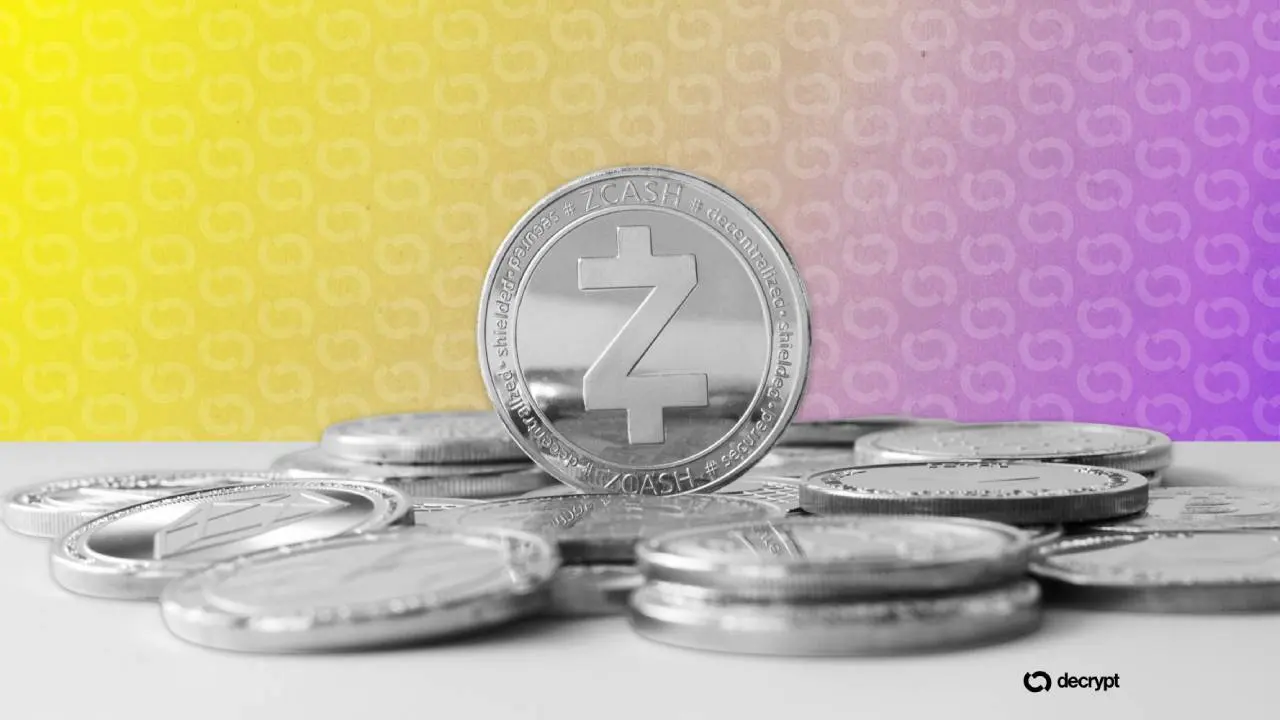
Zcash has tumbled 21% from its recent peak of $1,698, as a combination of exchange-traded fund outflows and concerns over illicit activity on its privacy network rattled investors. Yet some traders believe the pullback may be a temporary pause rather than the end of the privacy coin's remarkable run.
A Sharp Retreat After a Strong Climb
ZEC's recent surge had captured market attention, lifting the token to levels not seen in years before the latest reversal. The 21% drop from its high has prompted questions about whether momentum has fizzled or whether buyers will step in to defend the gains.
The decline coincided with outflows from Zcash-linked investment products, signaling that some institutional interest may be cooling. ETF flows are often watched closely as a barometer of larger investor sentiment, and the recent withdrawals added downward pressure during an already jittery stretch.
The question gripping traders is simple: is this the top, or just a dip worth buying?
Privacy Network Under Scrutiny
Adding to the turbulence, a suspected North Korean heist reportedly routed stolen funds through Zcash's shielded pool. The shielded pool is a core feature of the network, allowing users to transact with enhanced privacy that obscures sender, receiver, and amount details.
While that same privacy is a central selling point for Zcash advocates, it also draws regulatory attention and reputational risk when linked to illicit activity. The reported involvement of a state-affiliated hacking group underscores the ongoing tension between financial privacy and oversight.
Still, several market observers argue the fundamentals behind the rally remain intact, pointing to continued demand for privacy-focused assets and the possibility that dip-buyers could reignite the uptrend.
- ZEC fell 21% from its $1,698 peak
- ETF outflows weighed on recent price action
- A suspected North Korean heist used the shielded pool
- Some traders still see room for the rally to resume
Whether the selloff marks a lasting reversal or a buying opportunity will likely depend on how quickly investor confidence returns and whether ETF flows stabilize in the days ahead.