
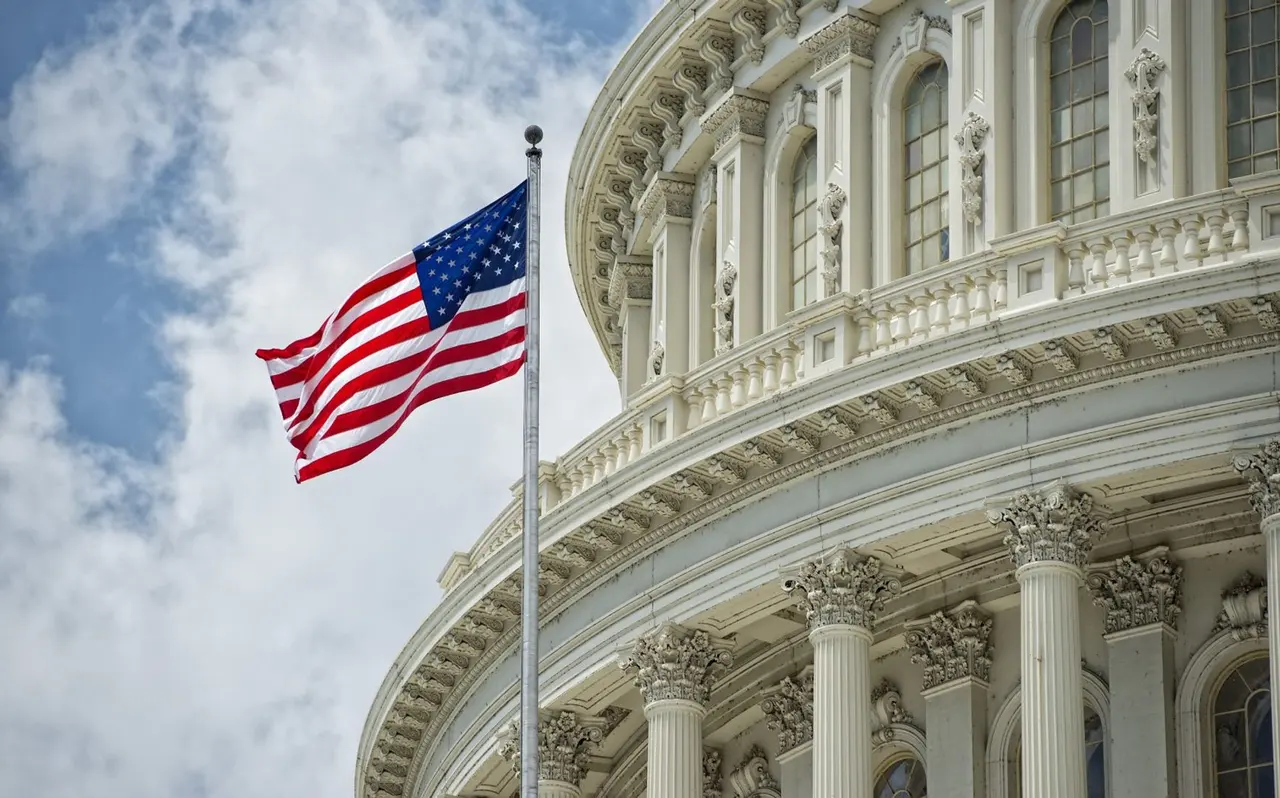
XRP posted the steepest decline among major cryptocurrencies this week, sliding 5.5% as the U.S. Senate departed Washington without advancing the market structure legislation known as the Clarity Act, pushing a potential vote into September.
Markets React to Legislative Delay
Bitcoin and ether registered only modest losses over the week, holding relatively steady even as the broader market absorbed news of the legislative slippage. Bitcoin hovered near the $64,000 level, showing resilience despite the uncertainty hanging over the sector.
XRP, closely tied to Ripple, bore the brunt of the disappointment. The token's 5.5% weekly drop made it the worst performer among the majors, reflecting how sensitive its price remains to regulatory developments in Washington.
The clock on crypto's long-awaited regulatory clarity has been pushed back once again, and XRP paid the highest price.
The delay underscores the outsized influence that policy decisions continue to exert on digital asset valuations, particularly for tokens whose fortunes are intertwined with ongoing regulatory questions.
What the Clarity Act Means
The Clarity Act represents one of the most significant attempts to establish a comprehensive framework for how digital assets are classified and regulated in the United States. The bill aims to resolve long-standing questions about which agencies oversee different types of crypto assets.
With the Senate leaving town before taking up the measure, market participants now face at least another month of waiting before any meaningful progress can be made. September is now the earliest realistic window for lawmakers to revisit the legislation.
Key points from this week's developments:
- XRP fell 5.5%, the worst weekly performance among major cryptocurrencies
- Bitcoin and ether recorded only slight losses
- The Senate adjourned without addressing the market structure bill
- A vote on the Clarity Act is now expected no sooner than September
For investors, the postponement means continued ambiguity around the rules that will ultimately govern the industry, keeping regulatory risk firmly in focus as the market waits for Congress to act.