
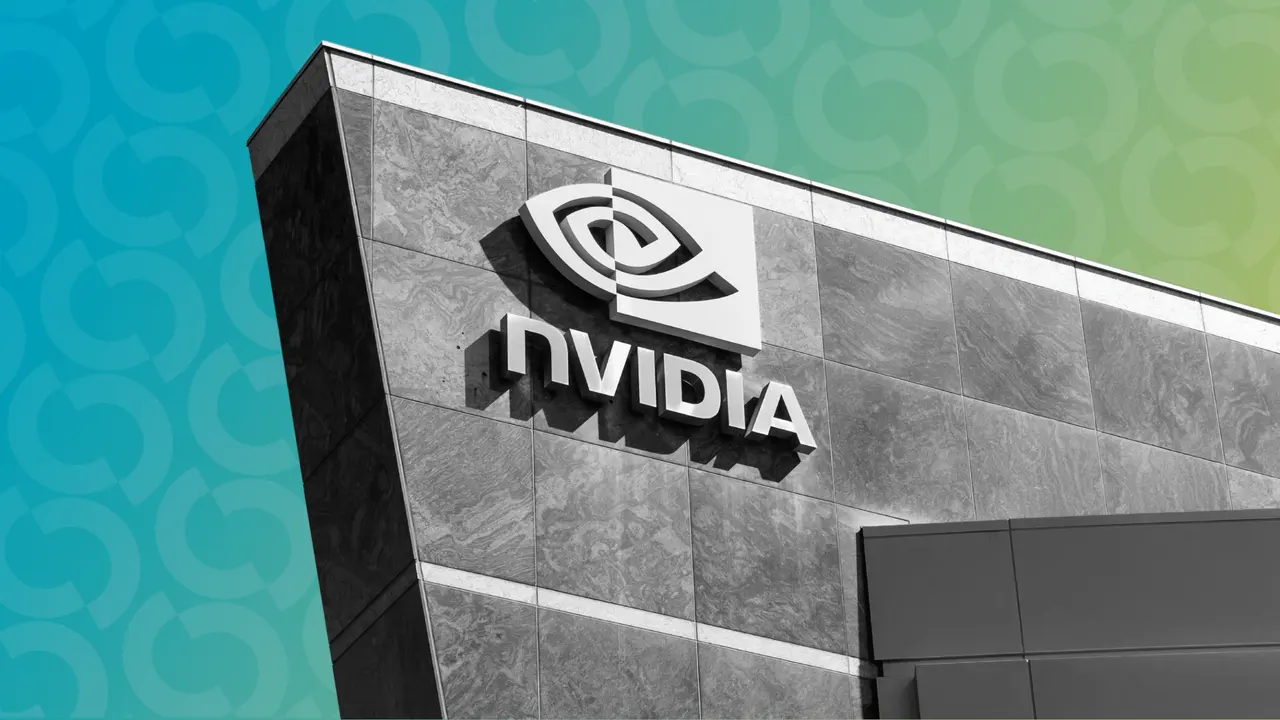
Nvidia is reportedly in talks to acquire Hugging Face, a deal that would fold the internet's most popular repository of open-source AI models into the world's dominant maker of AI chips — and potentially hand a single company control over nearly every layer of the open AI stack.
A Deal That Spans Silicon to Software
Hugging Face has become the default home for open-source machine learning, hosting hundreds of thousands of models, datasets, and tools that developers rely on to build and share AI systems. Its platform functions as a kind of public square for the AI community, where researchers and startups distribute their work freely.
Nvidia, meanwhile, supplies the graphics processors that train and run those very models. Its chips are the physical foundation on which almost all modern AI is built, giving the company outsized leverage over the entire industry.
Combining the two would create a vertically integrated pipeline stretching from the hardware that powers AI to the distribution channel where models are discovered and downloaded.
One company could soon own both the engine of AI and the marketplace where it lives.
What It Means for Builders and Users
The prospect raises immediate questions about the future of open-source AI, which has thrived in part because of its decentralized, community-driven nature. Concentrating so much of that ecosystem under one corporate roof could reshape how developers access models and tools.
Supporters might argue that Nvidia's resources could accelerate Hugging Face's growth and deepen integration between hardware and software, making it easier and faster to deploy models. Tighter optimization between chips and the model hub could benefit performance-hungry developers.
Critics, however, worry about the risks of consolidation in a space that has prized openness and neutrality. Key concerns include:
- Reduced independence for a platform that serves competing chipmakers and cloud providers
- Potential incentives to favor Nvidia hardware over rival silicon
- Long-term questions about whether "open" AI remains truly open under corporate ownership
For now, the reported talks underscore how strategically valuable open-source infrastructure has become — and how the companies that control both the tools and the distribution of AI may define the technology's next chapter.