
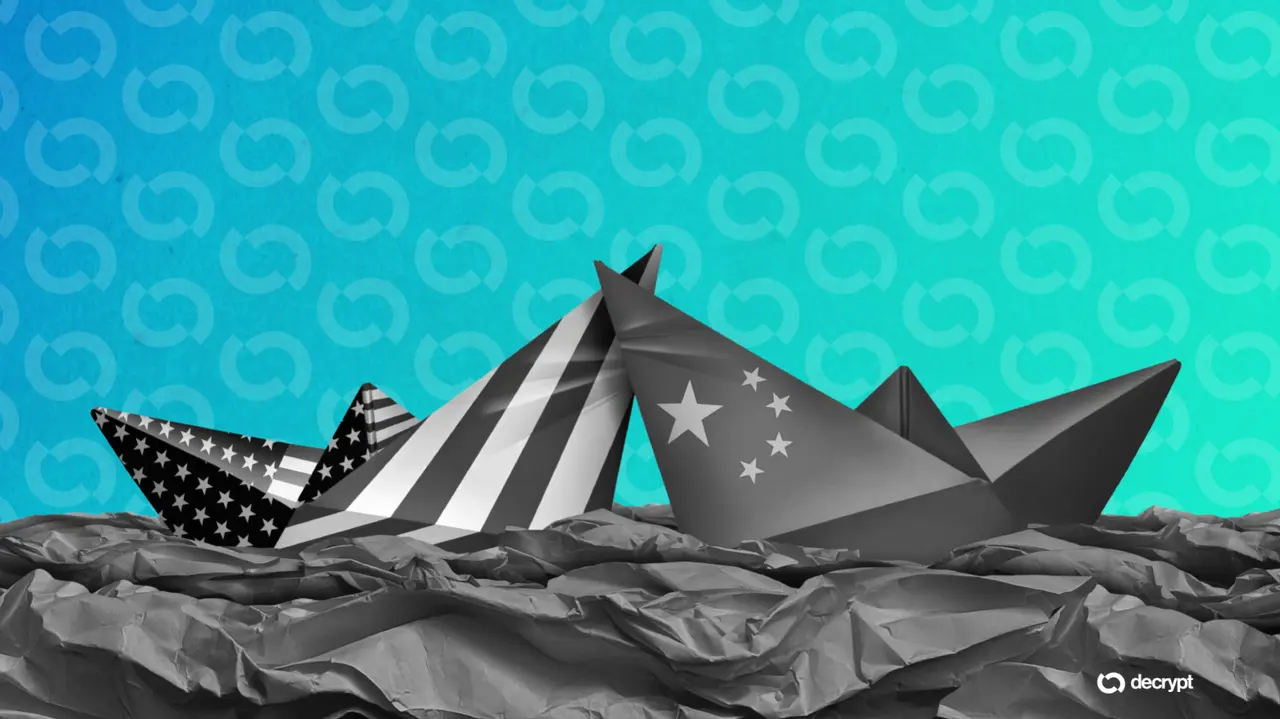
An effort to slow the breakneck pace of artificial intelligence development faces steep obstacles, according to Atlantic Council experts who argue that voluntary corporate promises lack teeth and that geopolitical rivalry between Washington and Beijing makes a global pact unlikely.
Corporate Pledges Without Enforcement
At the heart of the debate is the question of whether the AI industry can be trusted to police itself. Companies developing advanced systems have issued a series of safety commitments, but analysts warn that these promises carry little weight without binding rules and independent oversight to back them up.
The concern is that competitive pressure pushes firms to ship products faster, undercutting any incentive to pause or apply the brakes. Without enforceable safety standards, voluntary measures risk becoming public-relations gestures rather than meaningful guardrails.
Promises made in press releases mean little without rules that force companies to keep them.
Experts suggest that a credible slowdown would require verifiable benchmarks, third-party auditing, and consequences for those who ignore them. Otherwise, the commercial logic of the AI race tends to override cautionary rhetoric.
The US-China Trust Deficit
Even if domestic frameworks could be strengthened, an international agreement to curb AI development faces a far tougher barrier: deep mutual distrust between the United States and China. Both nations view AI as strategically vital, and neither wants to cede ground to the other.
That dynamic makes any binding treaty difficult to imagine. Each side worries that self-imposed limits would simply hand an advantage to a rival unwilling to follow the same restrictions, creating a classic race-to-the-bottom scenario.
Key factors working against a coordinated slowdown include:
- Competitive pressure that rewards speed over caution
- Absence of enforcement mechanisms for corporate pledges
- Strategic rivalry that discourages mutual restraint
The Atlantic Council analysis concludes that unless these commercial and geopolitical pressures are addressed directly, calls for an AI slowdown are likely to collapse under their own weight.