
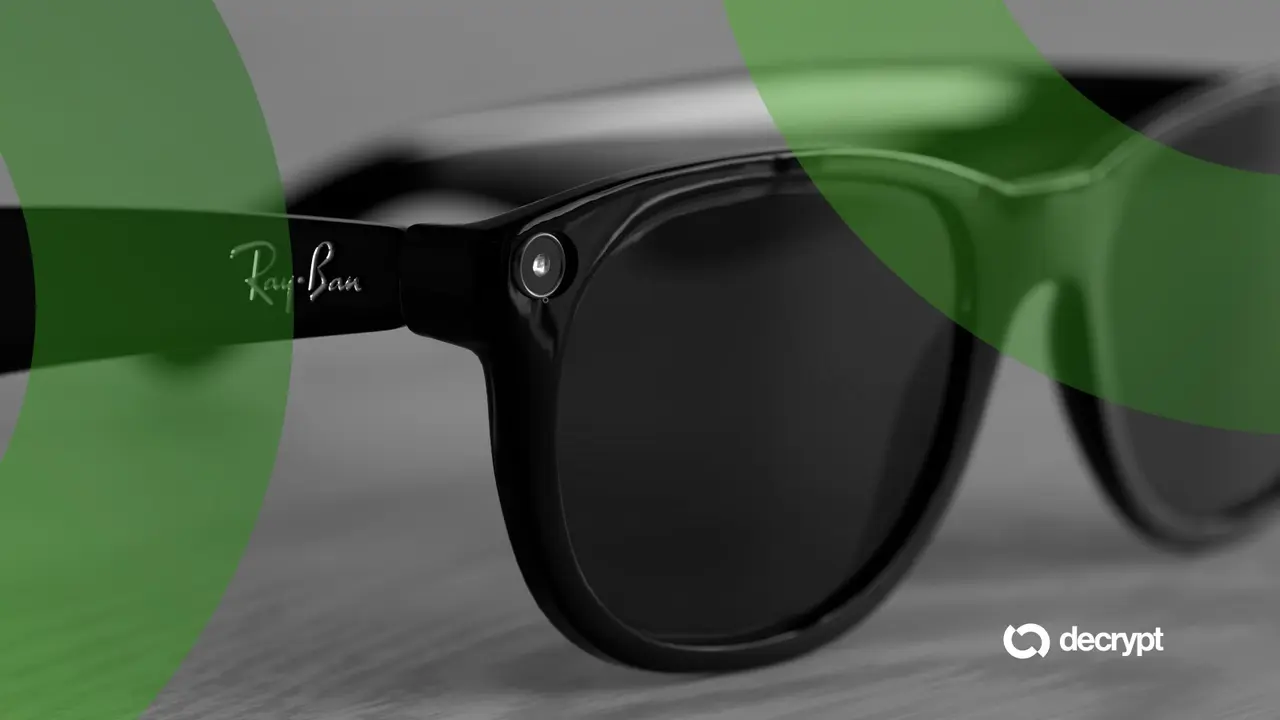
Meta's AI-powered smart glasses have come under intense scrutiny as a wave of lawsuits, privacy complaints, covert recordings, and government probes raise alarm over how the wearable technology could be misused.
Privacy Concerns Mount
The core anxiety surrounding Meta's camera-equipped eyewear stems from its potential to record people without their knowledge or consent. Because the glasses blend into ordinary frames, bystanders often have no way of knowing they are being filmed, a feature that critics say makes the devices ripe for abuse.
Reports of secret recordings have amplified those fears, with some users allegedly capturing footage of strangers in public and private settings. The controversy has been severe enough to earn the devices a derisive nickname among detractors, reflecting deep unease about surveillance in everyday life.
When a camera can hide in plain sight, the line between convenience and covert surveillance all but disappears.
Legal and Regulatory Pressure
The mounting backlash has translated into tangible legal and governmental action. Lawsuits and formal privacy complaints have been filed, while regulators have opened investigations into whether the technology adequately protects the public from unwanted recording.
Several recurring issues have driven the scrutiny:
- Covert recording of individuals without consent
- Privacy complaints from bystanders and advocacy groups
- Government inquiries into the devices' compliance with existing laws
- Lawsuits challenging how the product is marketed and used
For Meta, the challenge is balancing its ambitions in wearable AI against a growing chorus of critics who argue that the hardware normalizes surveillance. As the legal and regulatory pressure builds, the company faces questions not only about the glasses themselves but about the broader implications of always-on cameras in consumer technology.
What Comes Next
The outcome of the ongoing investigations and litigation could shape how smart glasses and similar devices are regulated going forward. Should authorities determine that the technology violates privacy protections, Meta may be forced to alter its designs, add clearer recording indicators, or face restrictions on how the products are sold.
For now, the debate underscores a wider tension in the tech industry as companies push boundaries with AI-enabled hardware while consumers and lawmakers grapple with the privacy trade-offs. The scrutiny facing Meta's glasses may prove to be an early test case for the future of wearable surveillance technology.