
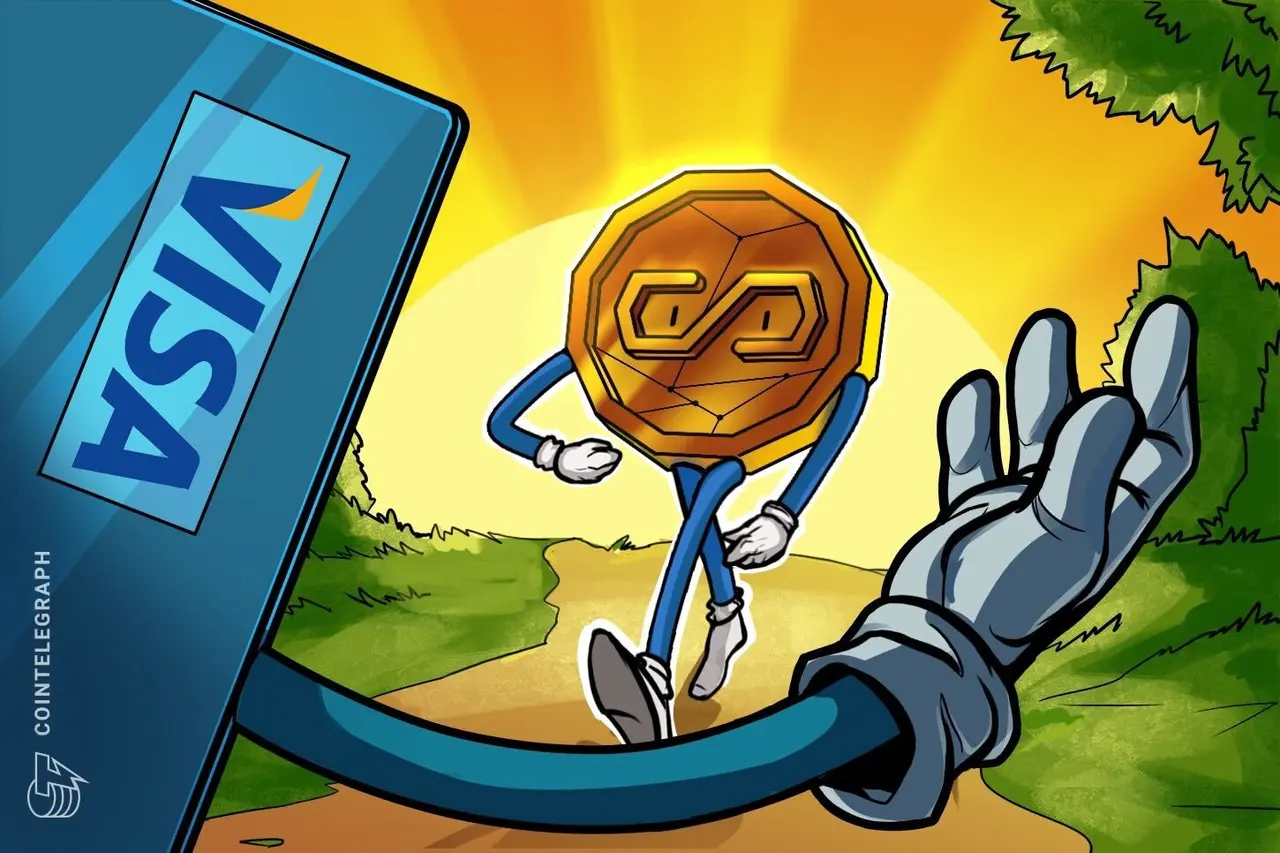
Visa has struck a partnership with Dunamu, the parent company of South Korea's largest cryptocurrency exchange Upbit, to explore stablecoin payments, cross-border remittances and emerging AI-driven commerce, the companies announced.
A New Payments Collaboration
The agreement brings together one of the world's biggest payment networks and a dominant force in South Korea's digital asset market. Under the deal, Visa and Dunamu will jointly investigate how stablecoins can be integrated into everyday payment and money-transfer services.
The collaboration also extends into the fast-growing area of artificial intelligence commerce, where automated agents could handle transactions on behalf of users. As AI tools become more embedded in consumer and business activity, both firms see potential for stablecoin-based settlement to power these interactions.
Stablecoins are increasingly seen as the connective tissue between traditional finance and the next wave of digital commerce.
Among the projects under review is Open Standard's proposed OUSD stablecoin, one of several initiatives the partners are weighing as they map out a path toward faster and cheaper value transfer.
Why It Matters
The tie-up signals continued momentum for major financial institutions embracing blockchain-based money. Visa has been steadily expanding its stablecoin footprint, positioning itself to remain relevant as digital dollars gain traction in global payment flows.
For Dunamu, the partnership offers a route to broaden its influence beyond crypto trading and into mainstream payment infrastructure. South Korea has emerged as a highly active market for digital assets, and closer alignment with a global network like Visa could accelerate adoption.
Key areas the partners plan to explore include:
- Stablecoin-based payments for consumers and merchants
- Cross-border remittance solutions
- AI-driven commerce and automated transaction settlement
The initiatives remain exploratory for now, but they reflect a broader industry shift toward using stablecoins as practical tools for real-world financial services rather than speculative instruments.