
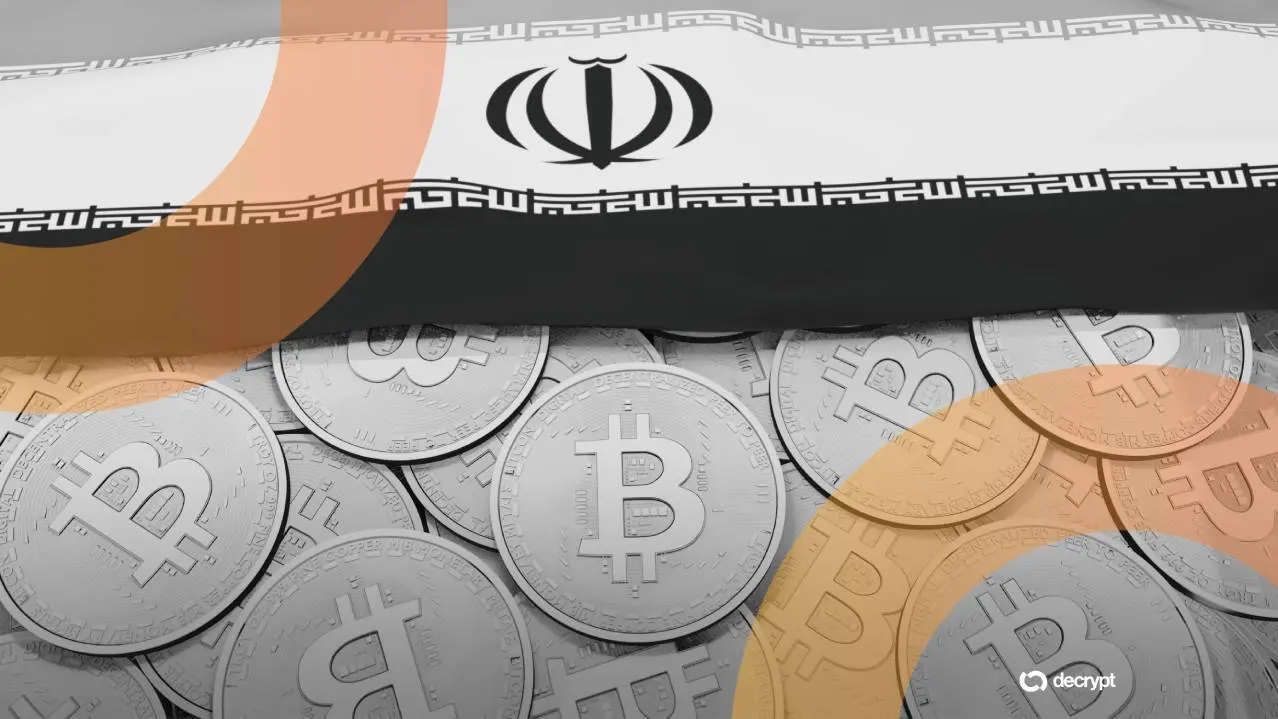
The US Treasury has imposed fresh sanctions on two Iranian companies, including one accused of collecting Bitcoin and other cryptocurrencies as payment for guaranteeing safe passage of vessels through the strategically vital Strait of Hormuz.
The Sanctions Action
The Office of Foreign Assets Control (OFAC), the enforcement arm of the Treasury Department, named two Iranian firms in its latest round of designations. Among them is a company called Hormuz Safe, which authorities say accepts payment in Bitcoin and other digital assets in exchange for its services.
The designation effectively cuts the targeted entities off from the US financial system, freezing any assets under American jurisdiction and barring US persons from doing business with them. Sanctions of this kind are a routine tool in Washington's ongoing pressure campaign against Tehran.
Digital currencies are increasingly showing up at the center of geopolitical enforcement actions.
Crypto and the Strait of Hormuz
The Strait of Hormuz is one of the world's most important maritime chokepoints, with a significant share of global oil shipments passing through its narrow waters. Any disruption or coercion involving vessels transiting the strait carries outsized consequences for energy markets and international trade.
By allegedly demanding cryptocurrency payments for safe passage, the sanctioned firm highlights how digital assets can be used to move value across borders while attempting to sidestep traditional banking channels that are more easily monitored and blocked.
Key aspects of the action include:
- Two Iranian firms were formally designated by OFAC
- Hormuz Safe reportedly accepted Bitcoin and other digital assets
- The measures target activity tied to the strategically critical Strait of Hormuz
The move underscores a broader trend in which regulators and enforcement agencies are paying closer attention to how cryptocurrencies intersect with sanctioned regimes and illicit financial flows.