
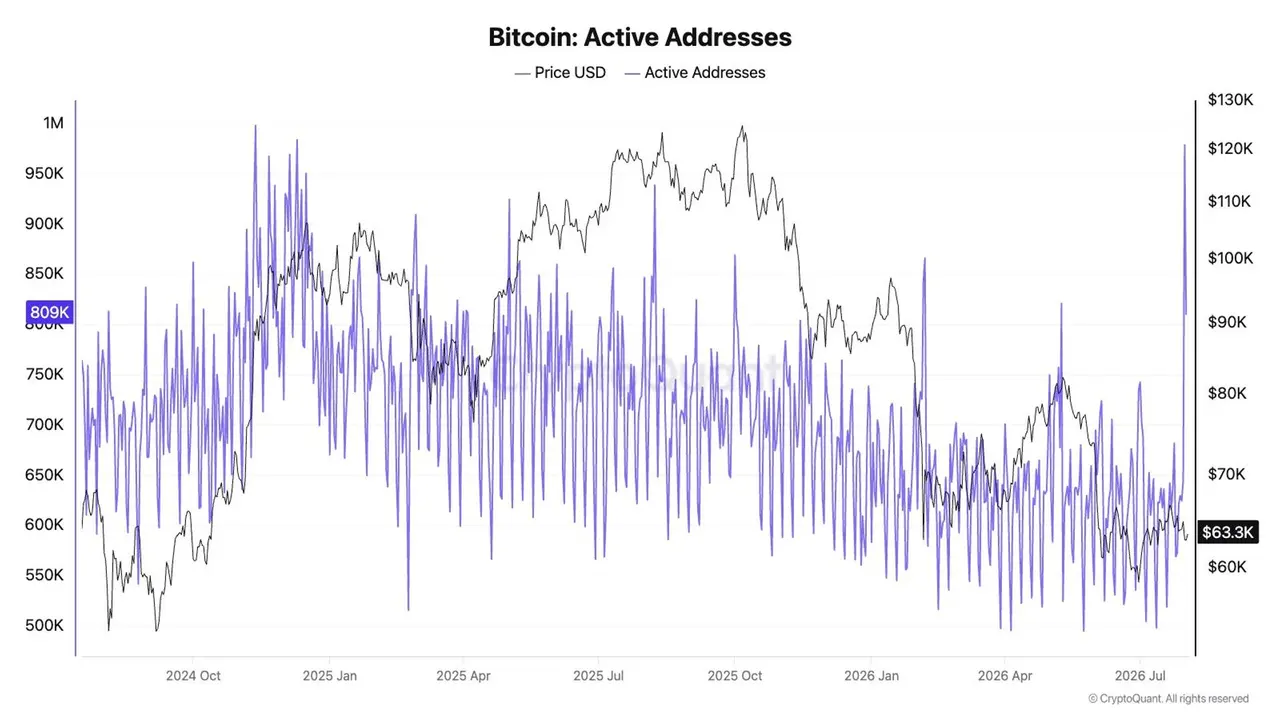
An $89 million exploit targeting Coldcard hardware wallets has triggered an unexpected reaction among bitcoin holders: rather than pulling their coins into self-custody, smaller investors are moving funds back onto exchanges in search of safety, according to blockchain analytics firms.
A Reversal of the Post-FTX Playbook
The behavior stands in stark contrast to what unfolded after the collapse of FTX in late 2022. When Sam Bankman-Fried's exchange imploded, spooked investors rushed to withdraw their assets from centralized platforms, embracing the crypto mantra of "not your keys, not your coins." Self-custody hardware wallets, including devices like Coldcard, saw a surge in demand as users sought to control their own private keys.
The Coldcard exploit has flipped that logic on its head. With a hardware wallet itself now implicated in a major loss of funds, many holders appear to have lost confidence in the very tools that were supposed to keep them safe.
When the safe itself is compromised, some investors decide the vault down the street looks better.
Smaller Holders Lead the Retreat
Blockchain analytics firms tracking on-chain movements say the shift is being driven primarily by smaller bitcoin holders. These retail investors, who may lack the technical expertise to fully secure their own devices, appear more willing to entrust their assets to exchanges that offer institutional-grade custody and, in some cases, insurance against losses.
The trend highlights a persistent tension in the cryptocurrency space between the ideals of decentralization and the practical realities of security. For years, the industry has promoted self-custody as the gold standard for protecting digital assets, but incidents like the Coldcard exploit expose the risks that come with individual responsibility.
Key observations from analysts include:
- Retail-sized transactions are flowing toward major exchanges following the exploit
- The pattern diverges sharply from the withdrawal wave seen after FTX
- Confidence in hardware wallet security has taken a notable hit
What It Means for the Market
The episode underscores how quickly investor sentiment can shift in response to security failures, and how those shifts don't always follow familiar patterns. While the FTX collapse pushed users away from centralized custodians, the Coldcard incident demonstrates that self-custody carries its own set of vulnerabilities that can drive users in the opposite direction.
For the broader bitcoin