
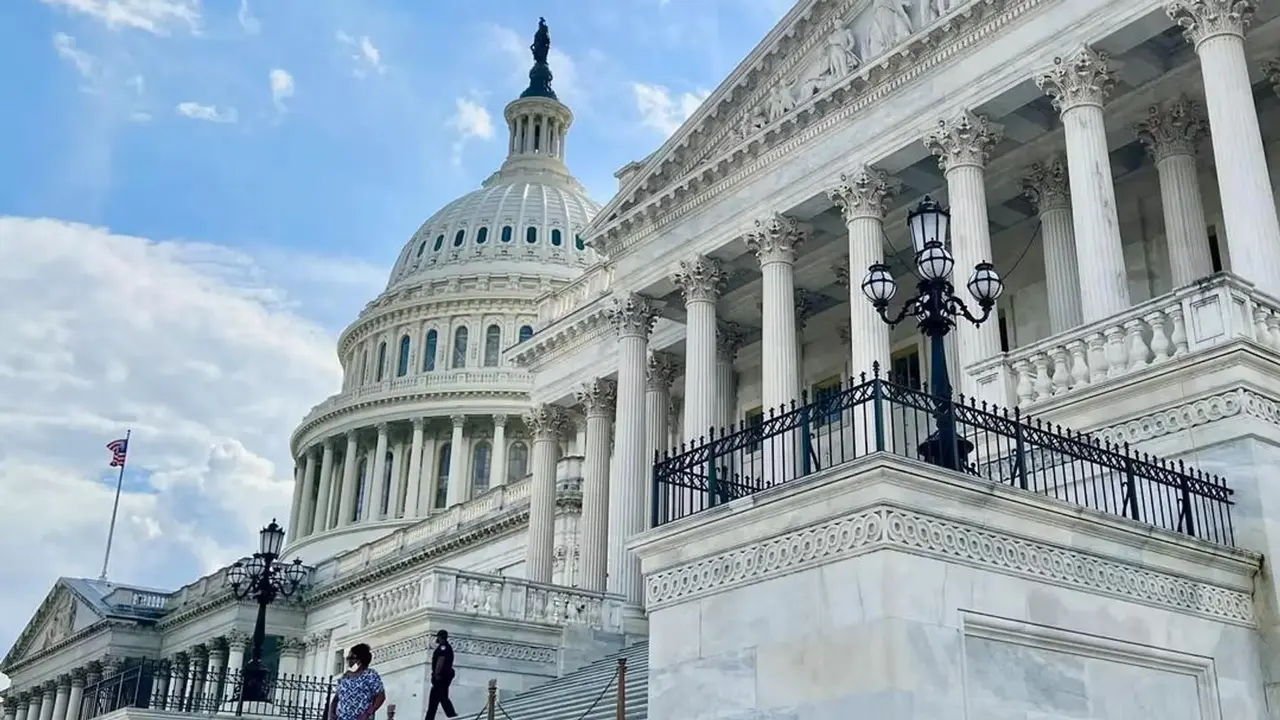
The U.S. Senate has pushed the long-awaited crypto market structure legislation to the back burner, leaving the industry's flagship policy priority without a clear timeline for floor votes as leadership directs its limited schedule toward other matters.
A Stalled Priority
The Clarity Act, which aims to establish a comprehensive regulatory framework for digital assets, remains in limbo as Senate Majority Leader focuses the chamber's constrained calendar on unrelated legislation. Despite mounting pressure from the crypto sector, the bill has yet to secure the floor time necessary to advance toward a vote.
The delay underscores the persistent challenge of moving crypto policy through a Senate with a packed agenda and competing legislative demands. Industry advocates had hoped momentum would carry the measure forward, but leadership's scheduling decisions have signaled that other priorities take precedence for now.
The crypto industry's signature policy effort is once again waiting in line for its moment on the Senate floor.
Industry in a Holding Pattern
The market structure bill is widely viewed as a critical step toward clarifying which federal agencies oversee different categories of digital assets, an issue that has left companies navigating regulatory uncertainty for years. Supporters argue that clear rules of the road would provide the legal certainty needed for the sector to grow within the United States.
For now, the crypto industry must continue waiting as the Senate's bandwidth is consumed by matters unrelated to digital assets. The absence of a firm timeline raises questions about whether the legislation can gather enough support and floor time before other deadlines crowd it out.
Key points shaping the current stalemate include:
- Limited Senate floor time being allocated to non-crypto legislation
- No confirmed schedule for votes on the market structure bill
- Continued industry pressure to prioritize regulatory clarity
Whether the Clarity Act regains traction will depend on how quickly Senate leadership can clear its existing agenda and whether crypto policy can reclaim a spot among the chamber's top priorities in the months ahead.