
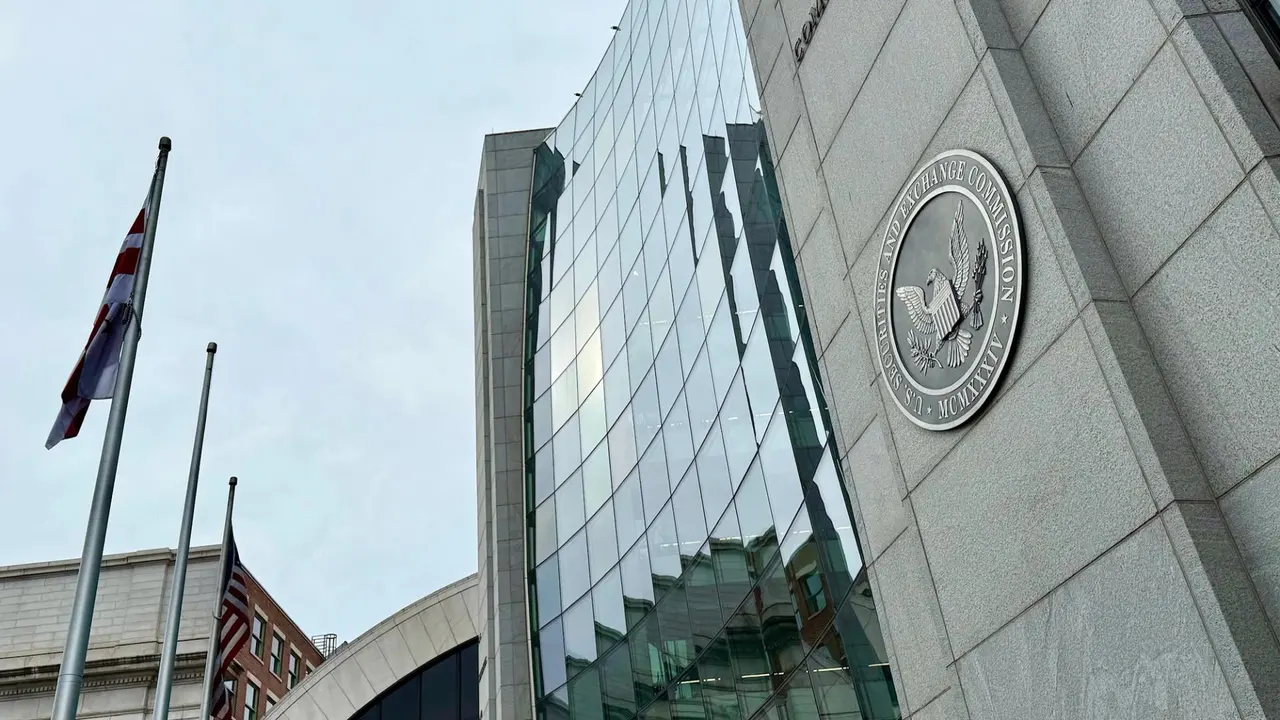
The U.S. Securities and Exchange Commission has scheduled a meeting this week where commissioners will vote on whether to propose a new framework, dubbed "Reg Crypto," aimed at supporting certain digital asset offerings — a move that would mark the agency's first significant rulemaking effort dedicated to cryptocurrency.
A First Formal Step Toward Crypto Rules
The planned vote represents a notable shift for an agency that has long relied on enforcement actions rather than tailored regulations to police the digital asset industry. By initiating a formal rulemaking process, the SEC would be signaling a willingness to establish clearer guardrails for how crypto assets can be offered and sold under federal securities law.
Industry participants have spent years calling for regulatory clarity, arguing that the absence of purpose-built rules left companies guessing about which tokens qualify as securities and how offerings should be structured to remain compliant.
After years of enforcement-driven policy, the SEC may finally be ready to write the rulebook the crypto industry has demanded.
What Reg Crypto Could Mean
The proposed framework, according to the agency's plans, is intended to accommodate specific types of digital asset offerings rather than impose a blanket approach across the entire market. Should commissioners approve the proposal, it would open a public comment period before any rules are finalized.
A vote to advance the proposal would not immediately change the legal landscape. Rulemaking at the SEC typically unfolds over months and can be revised substantially based on feedback from investors, companies and other stakeholders.
Key aspects to watch as the process moves forward include:
- The scope of which digital assets would fall under the new framework
- How the rules would interact with existing securities registration requirements
- Whether the proposal draws support or dissent from individual commissioners
The outcome of this week's meeting will offer an early indication of how the SEC intends to balance investor protection with the demands of a rapidly evolving industry.