
The U.S. Securities and Exchange Commission has started laying the groundwork for round-the-clock trading of securities, exploring how traditional markets might move toward the always-on model that has long defined the cryptocurrency world.
Regulators Eye a 24/7 Future
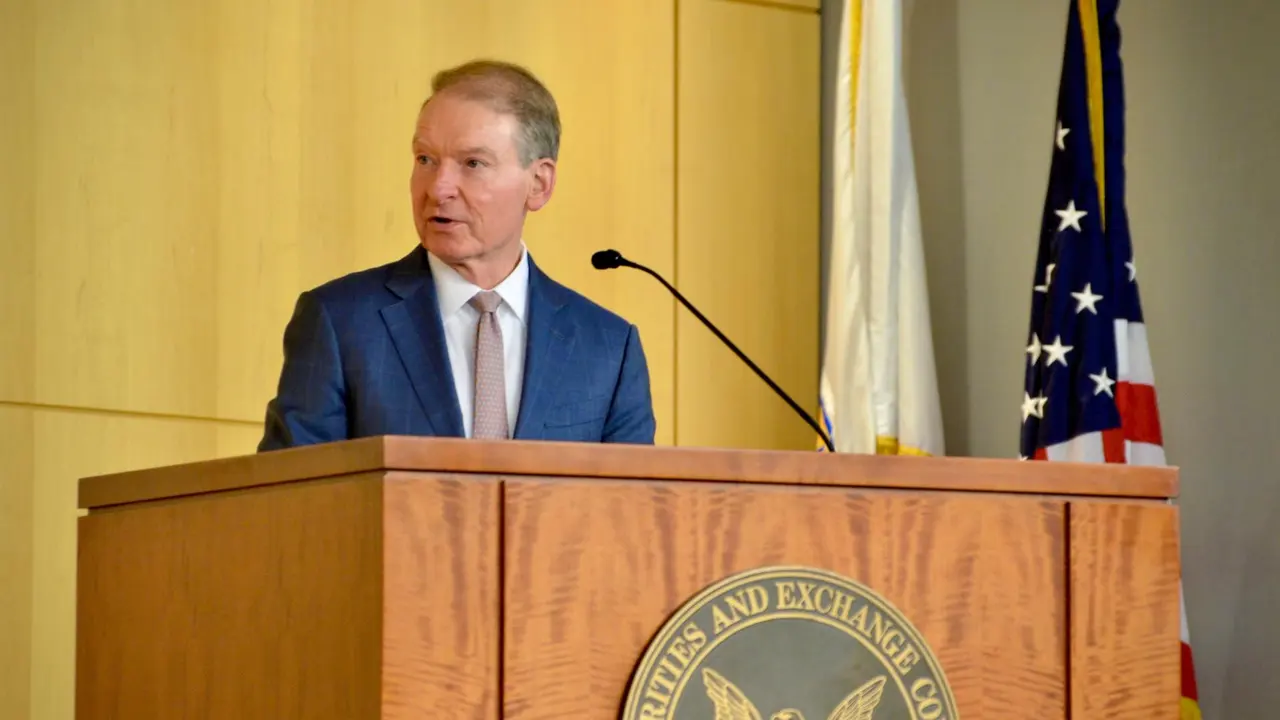
The SEC held an event examining the mechanics and implications of continuous trading, signaling that the agency is taking seriously the prospect of markets that never close. For decades, U.S. equity markets have operated on fixed schedules tied to business hours, while crypto assets have traded every hour of every day since Bitcoin's inception.
The discussion touched on the practical challenges of extending trading windows, including questions around settlement, market infrastructure, liquidity during off-hours, and investor protection. Moving to a 24/7 framework would represent one of the most significant structural shifts in the history of American securities markets.
In crypto, markets never sleep — and Wall Street is starting to wonder whether it should stay awake too.
Tokenization Enters the Picture
The timing was notable. On the same morning the SEC examined around-the-clock trading, the agency approved tokenized securities, a move that brings blockchain-based representations of traditional assets further into the regulated mainstream. Tokenization has been championed as a way to make assets more accessible and to enable faster, more efficient trading.
Tokenized securities and continuous trading are closely intertwined concepts. Blockchain technology naturally supports transactions at any time, so as more traditional assets are tokenized, pressure to enable trading outside conventional hours is likely to grow.
Key themes emerging from the SEC's activity include:
- Whether legacy market infrastructure can support nonstop trading
- How investor protections would function during overnight and weekend sessions
- The role tokenization could play in bridging traditional and crypto markets
What It Signals
The SEC's willingness to study these ideas reflects a broader shift in how U.S. regulators are engaging with the innovations that originated in the digital asset sector. Rather than treating crypto's always-on structure as an anomaly, officials appear increasingly interested in what parts of it might be adapted for conventional finance.
While no immediate rule changes were announced, the event and the tokenization approval together suggest that the boundaries between traditional and crypto markets are continuing to blur — with the norms of the digital asset world gradually influencing the future of mainstream trading.