
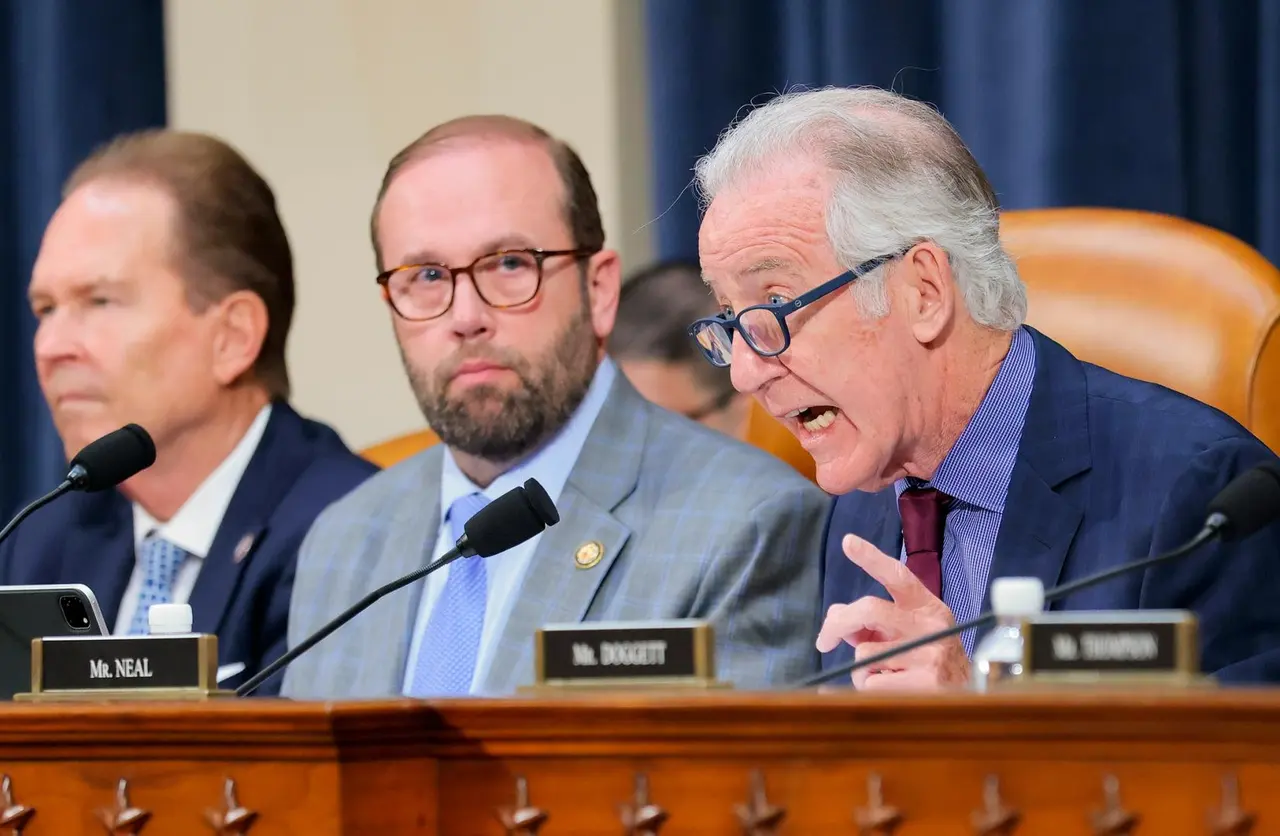
A U.S. House committee has advanced a bill aimed at simplifying tax rules for everyday cryptocurrency users, marking a fresh legislative push after the industry's disappointment over the stalled Clarity Act.
What the Bill Would Do
The Digital Asset Tax Certainty Act seeks to ease the often confusing and burdensome tax obligations that accompany routine use of digital assets. Under current rules, even small crypto transactions can trigger reporting requirements and capital gains calculations, creating friction for people who want to use cryptocurrencies for ordinary purchases rather than as long-term investments.
Supporters argue the measure would bring much-needed clarity to a tax framework that has struggled to keep pace with how digital assets are actually used. By reducing complications tied to minor transactions, the legislation aims to make everyday crypto spending more practical for consumers.
Lawmakers want to spare everyday users from the tax headaches that come with spending crypto on small purchases.
Political Friction and What Comes Next
The bill's progress through the House's tax-writing committee comes amid ongoing debate over the industry's political entanglements. President Donald Trump's extensive ties to the crypto sector prompted pushback from some lawmakers wary of legislation that could be seen as benefiting an administration with financial interests in the space.
The advancement follows the setback the industry faced with the Clarity Act, a broader effort to establish a comprehensive regulatory framework for digital assets that failed to move forward. That loss left crypto advocates searching for narrower, more targeted wins on Capitol Hill.
Key considerations shaping the debate include:
- Simplifying tax treatment for small, everyday crypto transactions
- Concerns over Trump's personal and business connections to the industry
- The fallout from the failed Clarity Act and its impact on legislative momentum
The bill still faces a long road before it could become law, requiring approval from the full House and Senate. Its committee advancement, however, signals that lawmakers remain willing to pursue piecemeal crypto reforms even after larger regulatory efforts have faltered.