
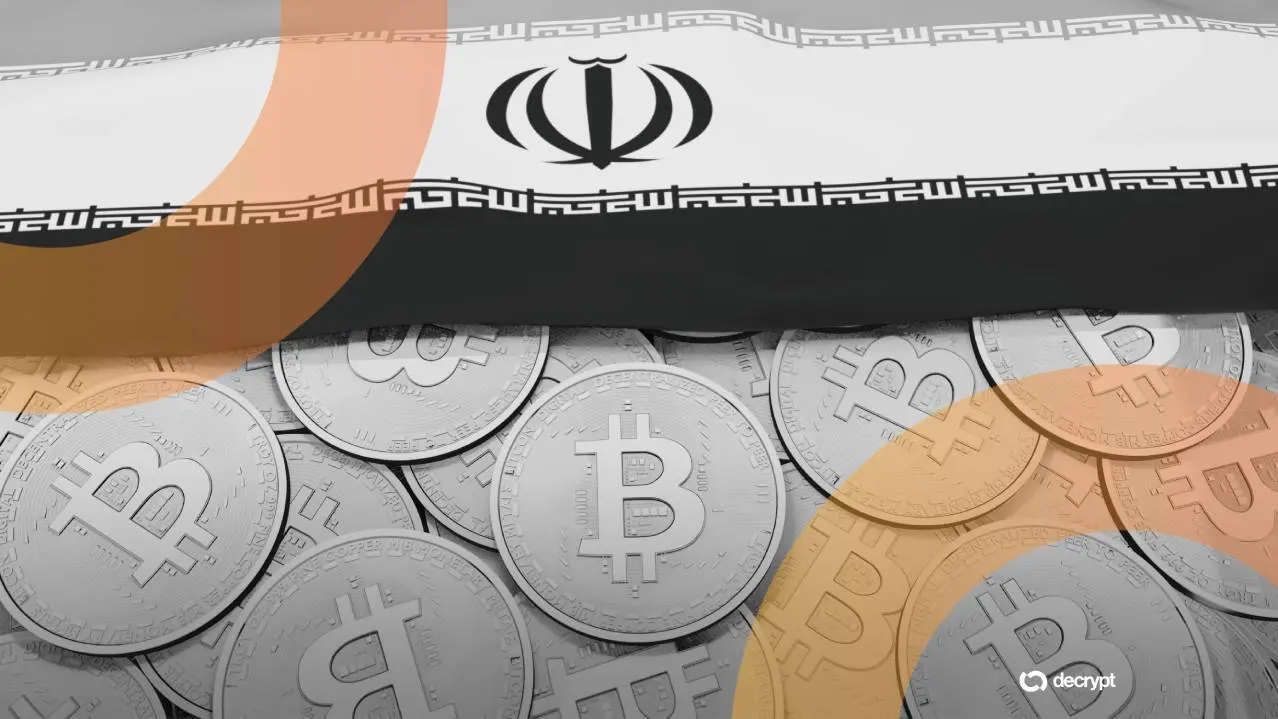
The U.S. Treasury Department has imposed sanctions on two cryptocurrency exchanges that it says facilitated the laundering of millions of dollars on behalf of Iran's Islamic Revolutionary Guard Corps, targeting operators based in Georgia, the United Arab Emirates, and Iran.
Details of the Action
The Treasury identified an exchange operator with ties to Georgia and the UAE, along with a separate Iran-based trading platform, accusing both of moving illicit funds to benefit the sanctioned Iranian military body. The measures aim to cut off financial channels that Washington says have helped Iran evade existing restrictions.
By designating these entities, the Treasury effectively bars U.S. persons and companies from doing business with them and freezes any assets they may hold within American jurisdiction. The move reflects a broader strategy of using financial tools to pressure Tehran and disrupt networks that rely on digital assets to obscure the origin and destination of funds.
Washington is signaling that crypto rails offer no safe harbor for entities seeking to bankroll sanctioned Iranian operations.
A Growing Focus on Crypto
The sanctions underscore the increasing attention U.S. authorities are paying to how digital assets can be exploited to bypass traditional banking controls. Regulators have repeatedly warned that exchanges operating with lax oversight can become conduits for laundering money tied to state actors and designated groups.
Officials have argued that the Revolutionary Guard has sought alternative financing methods as conventional avenues have narrowed under years of layered sanctions. Cryptocurrency, with its capacity for cross-border transfers, has emerged as one such avenue for actors trying to sidestep enforcement.
Key aspects of the enforcement move include:
- Two crypto exchanges named as targets of the sanctions
- Operators linked to Georgia, the UAE, and Iran
- Allegations of laundering millions for Iran's Revolutionary Guard
The action adds to a lengthening list of crypto-related designations issued by the Treasury in recent years, part of an intensifying effort to close gaps that adversaries could use to fund activities the U.S. considers a threat to national security.