
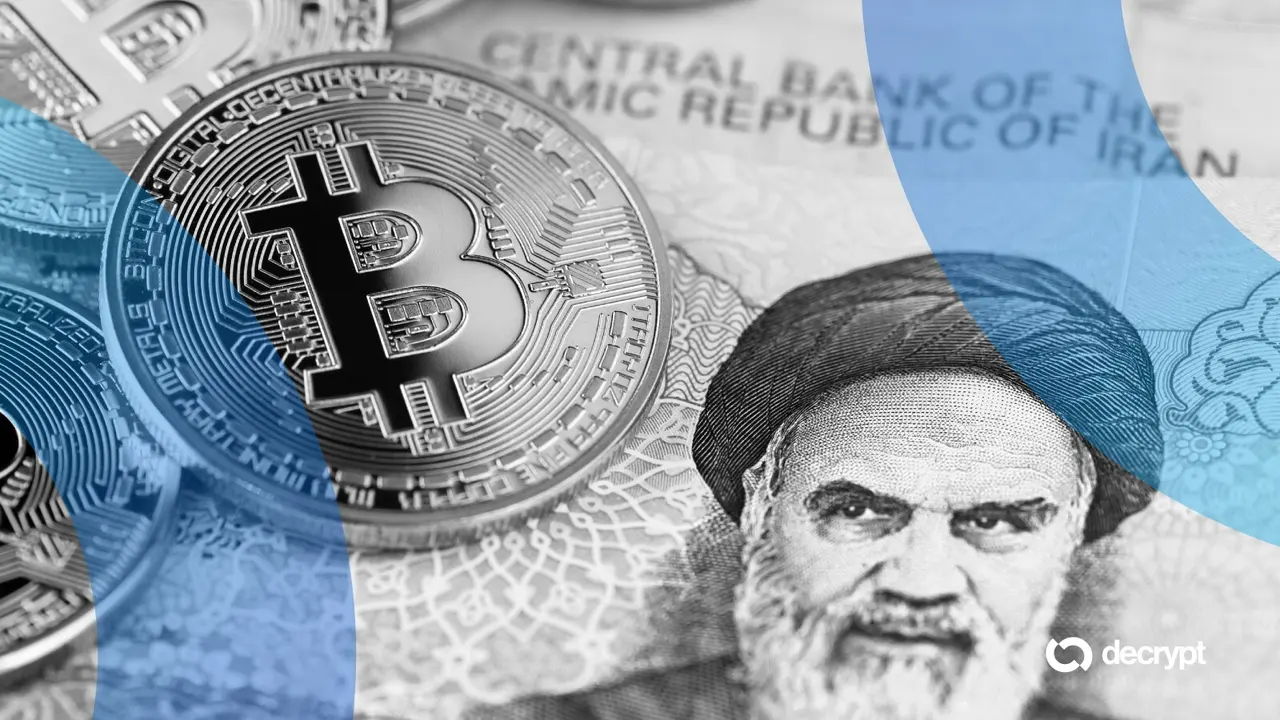
The U.S. Treasury Department has imposed sanctions on a cryptocurrency exchange it says funneled hundreds of millions of dollars in Bitcoin to Iran's Revolutionary Guard Corps, tying digital assets to Tehran's practice of levying tolls on ships passing through the strategic Strait of Hormuz.
The Sanctions Action
The Treasury's Office of Foreign Assets Control announced measures against the exchange, identified as BitBank, alleging it served as a conduit for illicit financial flows benefiting Iran's most powerful military and paramilitary organization. According to OFAC, the platform processed transactions that ultimately supported the Islamic Revolutionary Guard Corps, an entity long designated by Washington as a foreign terrorist organization.
Officials say the scale of the activity was substantial, with hundreds of millions of dollars in Bitcoin flowing through the exchange over a compressed timeframe. The action underscores continued efforts by U.S. authorities to disrupt the ways sanctioned actors turn to cryptocurrency to evade financial restrictions.
Hundreds of millions in Bitcoin moved through a single exchange to Iran's Revolutionary Guard in just two months, according to the Treasury.
Hormuz Tolls and Digital Payments
The sanctions connect the crypto flows to Iran's system of collecting fees from vessels transiting the Strait of Hormuz, one of the world's most vital maritime chokepoints for global oil shipments. By accepting payments in Bitcoin, Iranian entities can attempt to sidestep the traditional banking system, which is heavily monitored and largely closed off to sanctioned parties.
The narrow waterway carries a significant share of the planet's seaborne crude, giving Tehran considerable leverage over shipping companies operating in the region. Routing those payments through cryptocurrency channels adds a layer of obfuscation that authorities are increasingly seeking to pierce.
Broader Enforcement Push
The move reflects a growing focus by U.S. regulators on the intersection of digital assets and sanctions evasion by hostile states. Treasury officials have repeatedly warned that adversarial governments and their affiliates are experimenting with crypto to raise and move funds beyond the reach of conventional financial oversight.
Key elements highlighted by the designation include:
- Alleged transfers benef