
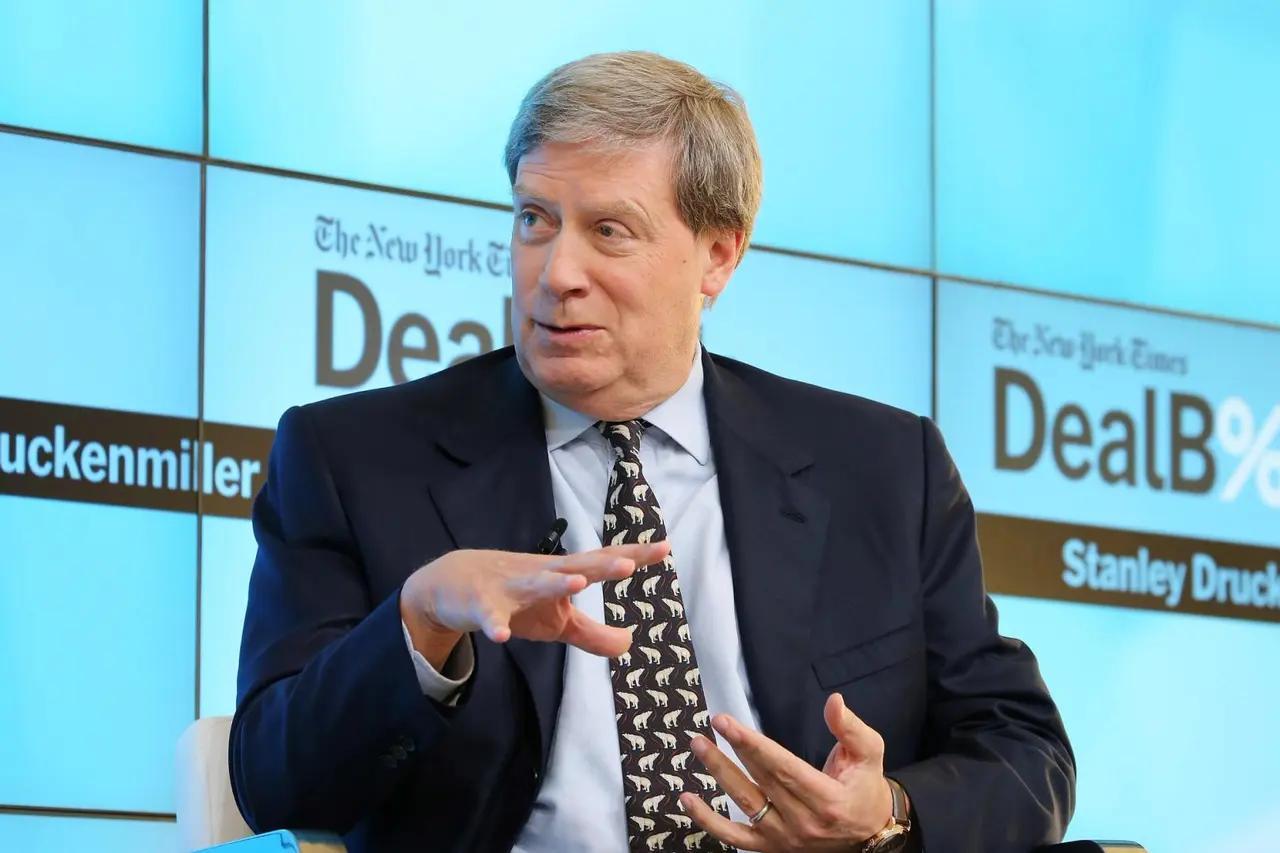
Billionaire investor Stanley Druckenmiller has warned that the U.S. Treasury's bond buyback program amounts to fighting the market and could ultimately magnify the very risks it seeks to contain, arguing that governments defending prices against fundamentals invariably lose.
A Warning on Market Intervention
Druckenmiller, one of the most closely watched voices in macro investing, has taken aim at the Treasury's strategy of repurchasing government bonds. In his view, the program interferes with the natural functioning of markets by propping up prices that would otherwise reflect underlying economic realities. He contends that when authorities attempt to override market signals, the outcome is rarely favorable over the long run.
The core of his concern is that buybacks remove a crucial disciplining mechanism. Bond markets, when left to operate freely, serve as a check on excessive government borrowing by pushing up yields when investors grow uneasy about fiscal sustainability. By stepping in to support prices, the Treasury risks muting that warning system precisely when it is most needed.
Governments defending prices against fundamentals always lose.
Fiscal Accountability at Stake
Druckenmiller frames the issue as one of accountability. When markets are allowed to price government debt without intervention, policymakers face immediate consequences for reckless spending. Rising borrowing costs act as a natural brake, forcing a degree of fiscal restraint. Removing that pressure, he argues, could encourage even greater deficits and deeper structural problems.
The investor's central points can be summarized as follows:
- Buybacks distort prices away from economic fundamentals
- Intervention erodes the market's role as a fiscal watchdog
- Suppressing yields may encourage more government borrowing
- Long-term risks are heightened rather than reduced
Druckenmiller's remarks add to a growing debate over how far the government should go in managing conditions across the bond market. For crypto investors and other market participants, the discussion underscores broader questions about the reliability of official price signals and the sustainability of mounting public debt — themes that have long fueled interest in alternative stores of value. His conclusion is blunt: markets, not policymakers, remain the better judge of what things are worth.