
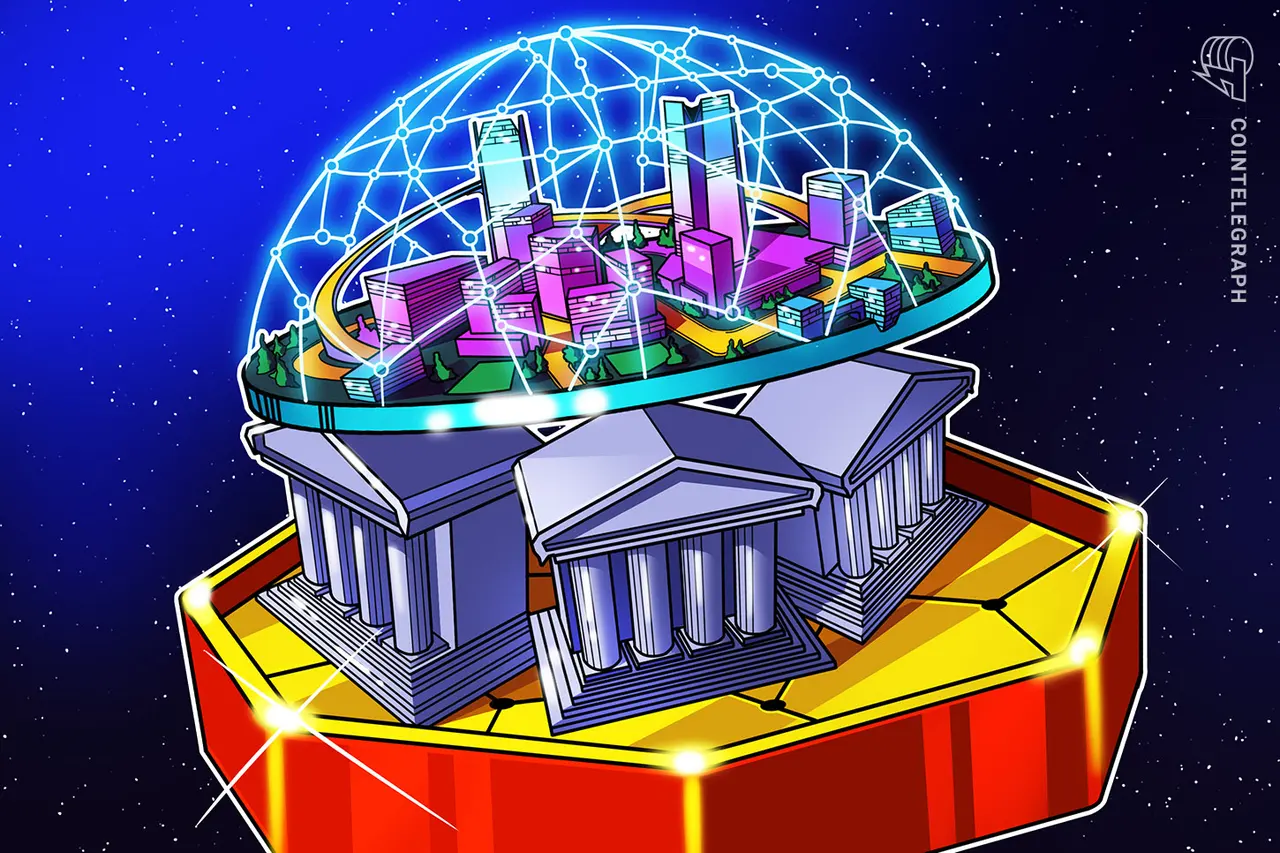
Tokenized real-world assets are not simply digital clones of their traditional counterparts, according to new research from analytics platform Dune, which found that on-chain markets often behave differently from the conventional financial systems they aim to replicate. The findings arrive as the total value of tokenized real-world assets climbs to $34.5 billion.
## A Market That Marches to Its Own Beat Dune's analysis challenges the common assumption that tokenized versions of stocks, bonds and other assets will track their off-chain equivalents in lockstep. Instead, the data reveals distinct trading patterns shaped by the structure of blockchain markets, the behavior of crypto-native investors and the around-the-clock nature of on-chain venues.
These differences matter because they suggest tokenization is creating something more than a mirror image of legacy finance. The timing of trades, liquidity conditions and investor participation can diverge sharply from what plays out on traditional exchanges.
Tokenized assets are proving to be more than digital copies — they trade on their own terms.
## RWA Sector Keeps Expanding The report pegs the total value of tokenized real-world assets at $34.5 billion, underscoring how quickly the segment has grown into a meaningful corner of the digital asset economy. Real-world assets span a wide range of instruments that have been brought on-chain, from government debt to private credit and commodities.
The momentum reflects rising institutional interest in blending blockchain infrastructure with established financial products. Proponents argue tokenization can improve settlement speed, broaden access and introduce new forms of transparency.
Key takeaways from the Dune findings include:
- Tokenized markets display trading patterns distinct from traditional markets
- The broader RWA category has reached $34.5 billion in value
- On-chain dynamics, not just the underlying asset, shape how tokenized products perform
## Why the Divergence Matters For investors and issuers, the gap between tokenized and traditional market behavior carries practical implications. Pricing, liquidity and volatility on-chain may not always align with expectations set by conventional markets, requiring participants to account for the unique characteristics of blockchain venues.
As the sector matures, understanding these distinctions could prove essential for anyone building, trading or regulating tokenized assets. Dune's research adds to a growing body of evidence that the on-chain economy is developing its own rules rather than simply importing those of the financial world it seeks to