
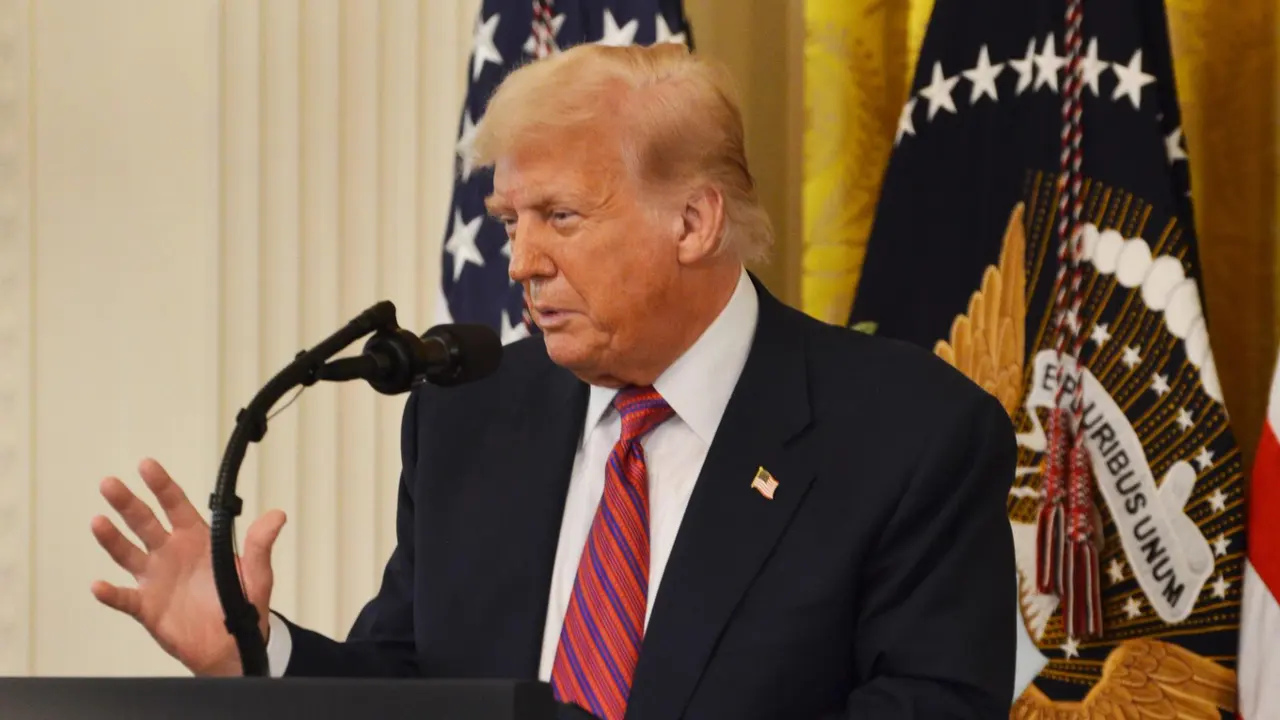
A year after President Trump signed the GENIUS Act into law, the landmark stablecoin legislation has reshaped how digital dollars operate in the United States, setting the first federal framework for an asset class that had long existed in regulatory limbo.
A Landmark Moment for Stablecoins
The GENIUS Act arrived as the first major piece of federal cryptocurrency legislation to clear Congress, giving stablecoin issuers a defined set of rules to operate under. Before its passage, companies issuing dollar-pegged tokens navigated a patchwork of state money-transmitter laws and uncertain federal oversight, leaving many firms hesitant to expand in the U.S. market.
The law established requirements around reserves, disclosures and issuer accountability, aiming to ensure that tokens claiming a one-to-one dollar peg are actually backed by safe, liquid assets. Supporters argued the framework would protect consumers while cementing the dollar's dominance in the fast-growing digital-payments space.
The GENIUS Act didn't just legalize stablecoins — it gave the digital dollar a rulebook.
One Year of Impact
In the twelve months since the signing, the stablecoin sector has continued its rapid expansion, with major financial institutions and payment companies exploring or launching their own dollar-backed tokens. The clearer legal footing encouraged traditional finance players who had previously stayed on the sidelines to take a closer look at the technology.
Regulators and industry participants alike have spent the year working through implementation, interpreting the statute's provisions and adjusting compliance practices. The rollout has not been without friction, as issuers adapt to reserve and reporting standards that carry real operational costs.
Key developments over the first year include:
- Increased participation from established banks and payment firms
- Greater scrutiny of reserve backing and transparency
- Ongoing debate over how the rules interact with existing state regimes
As the law enters its second year, the crypto industry continues to watch how enforcement takes shape and whether the GENIUS Act becomes a template for broader digital-asset legislation still working its way through Washington.