
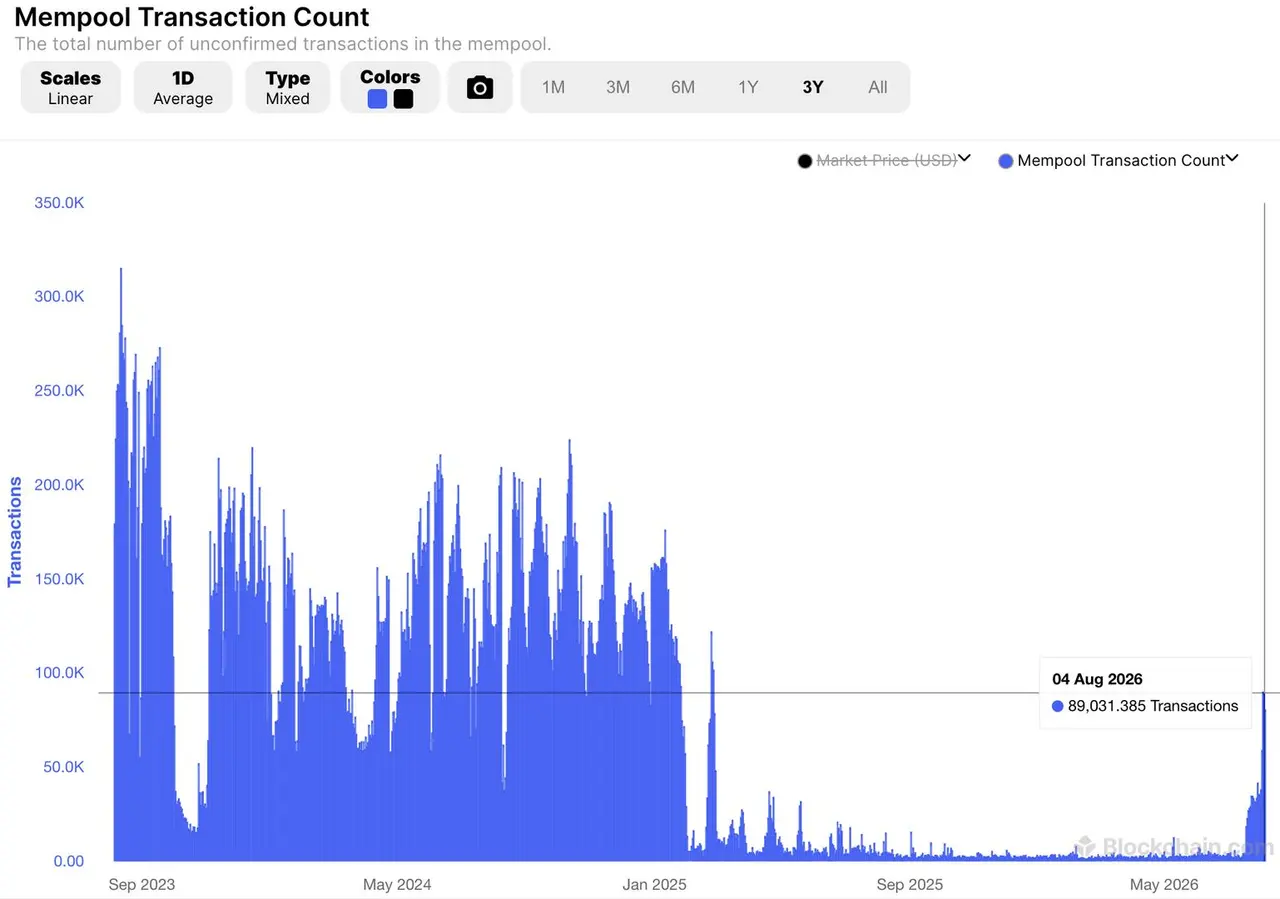
A recent security breach involving Coldcard hardware wallets has resulted in the loss of roughly $120 million in bitcoin, sending unusual activity rippling through the Bitcoin network's memory pool as the stolen funds move on-chain.
What Happened
The incident centers on Coldcard, a popular hardware wallet brand favored by security-conscious bitcoin holders who prioritize keeping their private keys offline. According to reports, an exploit tied to the devices enabled attackers to drain funds totaling around $120 million, marking one of the more significant hardware wallet-related losses in recent memory.
Hardware wallets are widely regarded as among the safest ways to store cryptocurrency because they keep private keys isolated from internet-connected devices. A breach of this scale raises fresh questions about the assumptions users make when trusting cold storage solutions.
A $120 million loss is a stark reminder that even cold storage carries risk when vulnerabilities go unnoticed.
Ripples Through the Mempool
The theft became visible on the network as the stolen bitcoin began moving, lighting up the mempool — the holding area where unconfirmed transactions wait to be picked up by miners. Large, coordinated movements of funds can create noticeable congestion and draw the attention of on-chain analysts tracking suspicious flows.
Observers monitoring the blockchain can often trace the path of stolen coins as they are shuffled between addresses, though recovery remains difficult once funds are dispersed. The activity highlights how public and traceable the Bitcoin ledger remains, even for illicit transfers.
Key takeaways for holders:
- Hardware wallets reduce but do not eliminate risk
- Firmware and device integrity should be verified carefully
- On-chain movements of stolen funds are visible to analysts
The Broader Picture
The episode adds to a growing list of high-profile crypto security failures and underscores the ongoing tension between self-custody and the technical demands it places on users. For an industry that champions personal control over assets, incidents like this fuel debate over how much responsibility falls on individuals versus device makers.
As investigators and the community sift through the details, the event serves as a cautionary case study heading into the day's trading. Users are being urged to review their storage practices and stay alert to potential vulnerabilities in the tools they rely on.