
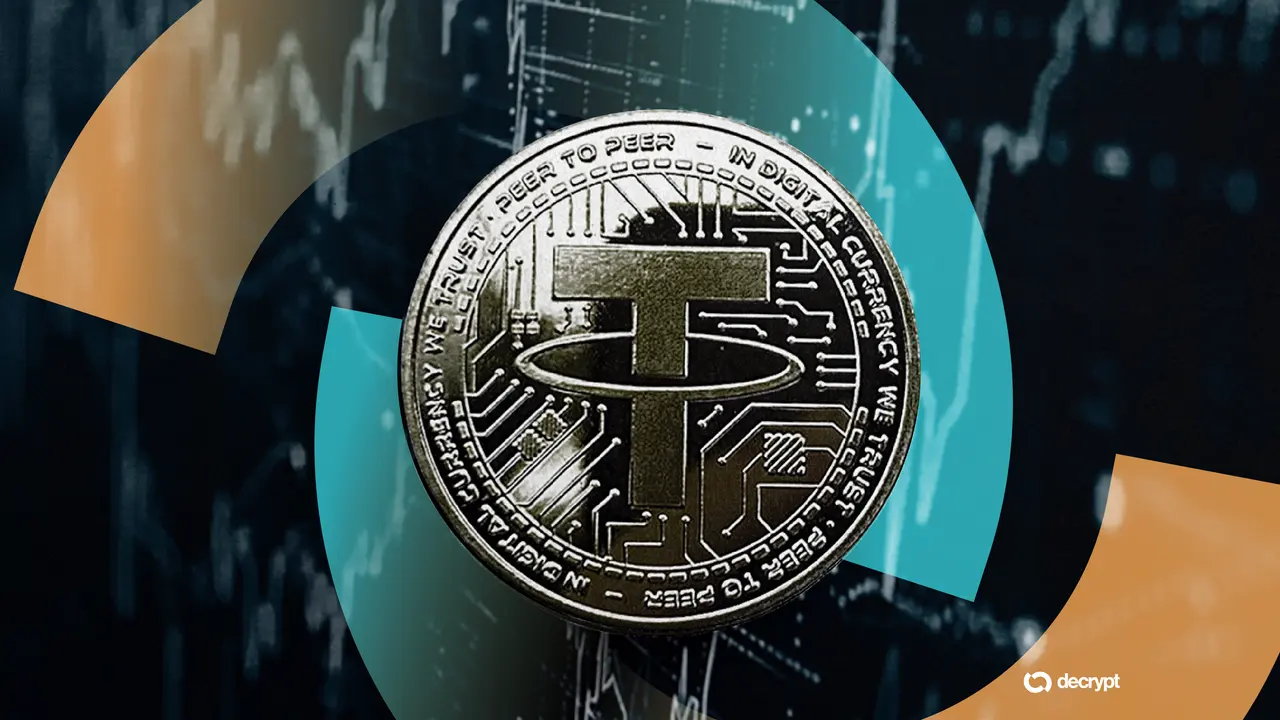
Two Thai businessmen have filed a lawsuit against Tether, accusing the stablecoin issuer of unlawfully freezing $42.4 million worth of USDT months before U.S. federal authorities obtained a warrant to seize the funds.
The Allegations
The plaintiffs claim that Tether blocked their access to the stablecoin holdings well ahead of any formal legal action by government authorities. According to the complaint, the freeze occurred without proper legal justification at the time it was carried out, leaving the businessmen unable to access their assets.
The lawsuit centers on the timing of Tether's actions. The plaintiffs argue that the company took steps to restrict their holdings months before a federal seizure warrant was secured, raising questions about the basis on which the freeze was initiated.
The case spotlights the sweeping control stablecoin issuers can exert over funds that users assume are theirs to command.
The Broader Stakes
Tether, the issuer of the world's largest stablecoin by market capitalization, retains the technical ability to freeze USDT tokens held in any wallet. The company has historically used this power in cooperation with law enforcement to block funds tied to alleged criminal activity, sanctions violations, and fraud.
Critics have long pointed to this capability as a tension point in the crypto industry, where decentralization and user autonomy are frequently touted as core values. The ability of a centralized issuer to unilaterally lock assets sits uneasily alongside those principles.
Key issues raised by the dispute include:
- Whether Tether acted lawfully in freezing the funds absent a warrant
- The extent of an issuer's authority over tokens in private wallets
- How timing affects the legitimacy of asset freezes tied to later seizures
The outcome of the case could carry implications for how stablecoin issuers exercise their freeze powers and the legal standards they must meet before restricting user access to funds.