
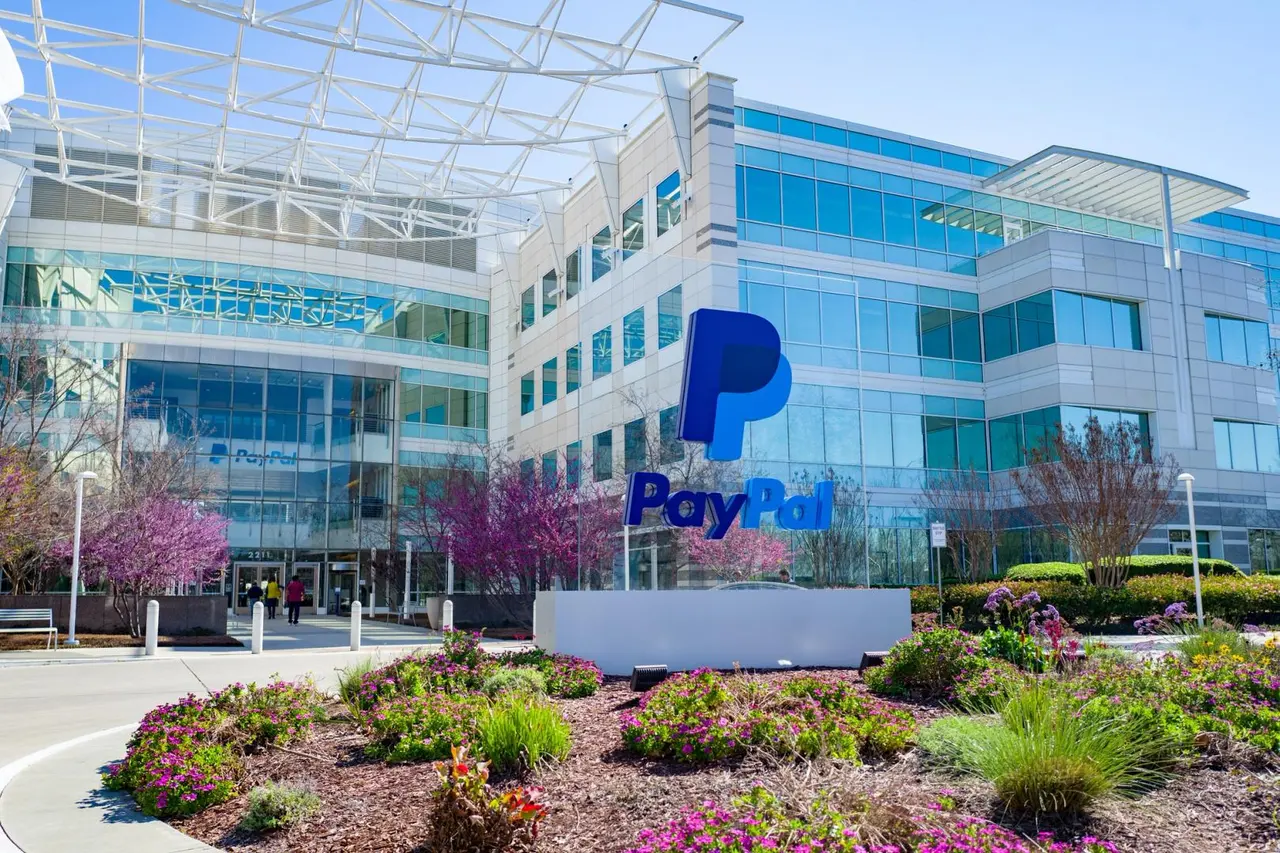
Payments giant Stripe has reportedly tabled a $53 billion offer to acquire PayPal, a blockbuster proposal that, if completed, would reshape the digital payments landscape and hand Stripe control over one of the most recognizable consumer wallets on the internet.
A Bid With Bigger Ambitions
At first glance, the deal reads as a straightforward consolidation of two payment heavyweights. But the true motivation behind Stripe's move appears to run deeper than simply combining transaction volumes. Analysts suggest the acquisition is less about market share today and more about positioning for what comes next in how money moves online.
Stripe has long dominated the merchant-facing side of payments, powering checkout flows for countless businesses and developers. PayPal, by contrast, brings something Stripe has historically lacked: a massive base of consumers who already trust and use its wallet. Owning that relationship directly could be the strategic centerpiece of the entire bid.
The real prize may not be PayPal itself, but the millions of consumer wallets and the infrastructure to power the next era of payments.
Stablecoins and the Infrastructure Play
Beyond consumer reach, the acquisition could position Stripe to become a major force in stablecoin issuance and settlement. As digital dollars increasingly become a preferred rail for cross-border and instant payments, controlling both merchant and consumer endpoints would give Stripe an unusually complete grip on the payment stack.
Stripe has already signaled its interest in crypto-native infrastructure through prior acquisitions and product launches. Folding PayPal's scale into that vision could accelerate the company's push to issue or facilitate stablecoin transactions at a level few competitors could match.
The strategic upside comes down to a few key elements:
- Direct access to PayPal's enormous consumer wallet base
- A potential foothold in stablecoin issuance and settlement
- Ownership of infrastructure spanning both merchants and end users
A High-Stakes Gamble
A $53 billion price tag makes this one of the largest bets in fintech history, and success is far from guaranteed. Integrating two sprawling organizations, navigating regulatory scrutiny and reconciling distinct corporate cultures would test even the most disciplined operators.
Still, the ambition behind the offer signals where Stripe believes the industry is headed. Rather than defending its existing turf, the company appears intent on claiming