
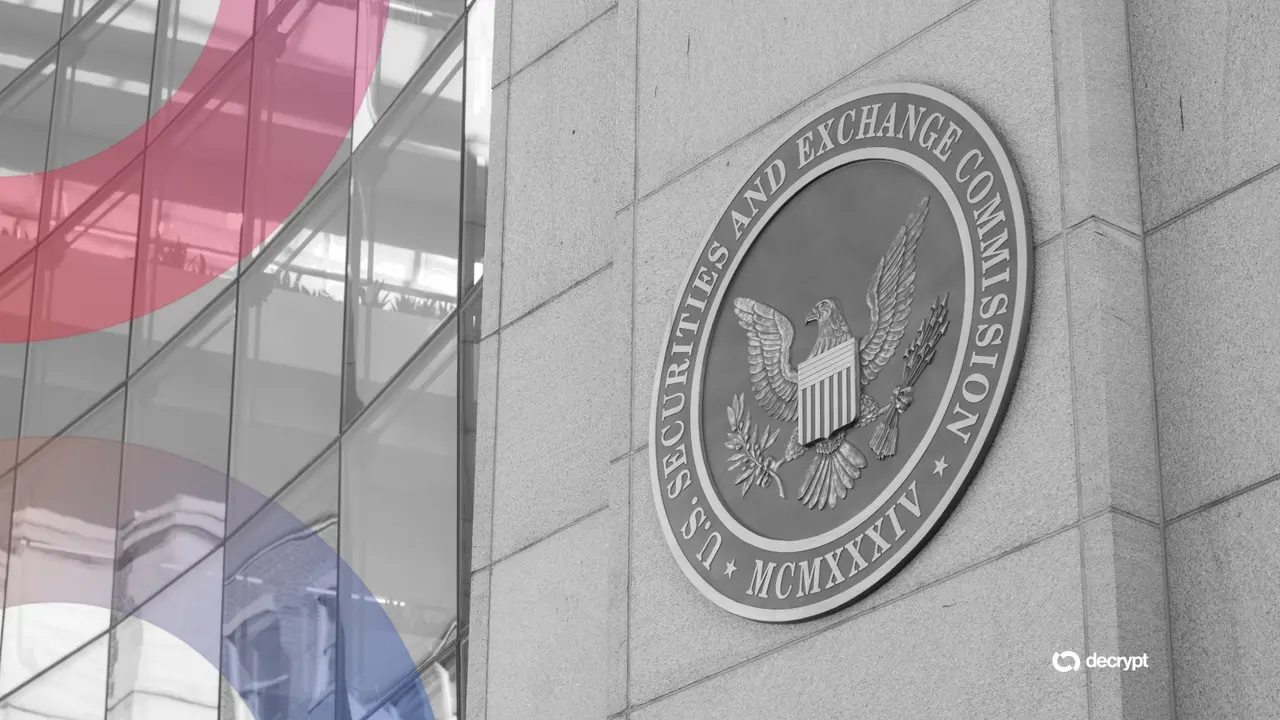
The U.S. Securities and Exchange Commission has proposed the first significant update to its transfer agent rules in roughly four decades, explicitly pointing to the growing role of tokenization and distributed ledger technology as a driving force behind the modernization effort.
Why the SEC Is Acting Now
Transfer agents are the behind-the-scenes entities responsible for maintaining records of securities ownership, tracking who holds shares, and handling transfers between parties. The current framework governing them has remained largely untouched for around 40 years, a period during which financial markets have undergone dramatic technological change.
The regulator's proposal signals a recognition that the infrastructure underpinning securities recordkeeping is beginning to migrate onto blockchain-based systems. As firms experiment with representing traditional assets as digital tokens, the SEC appears keen to understand how widespread the practice has become.
Regulators want to know exactly how many ownership records are already living on distributed ledgers.
What Form TA-2 Would Change
Central to the overhaul are new questions that would be added to Form TA-2, the disclosure document transfer agents file with the SEC. Under the proposal, agents would be required to report how many share registers they maintain on distributed ledgers.
That reporting requirement would give the agency clearer visibility into the extent to which tokenization has taken hold within the securities industry. Rather than relying on anecdotal accounts, the SEC could gather concrete data on how many records are being kept using blockchain technology.
Key elements of the proposal include:
- The first major transfer agent rule update in about 40 years
- New Form TA-2 questions targeting distributed ledger recordkeeping
- A focus on measuring the real-world adoption of tokenization
The Broader Tokenization Push
The move fits into a wider trend of traditional finance embracing tokenized assets, with major institutions exploring how stocks, bonds, and funds might be issued and traded on blockchain networks. By updating its rules to account for these developments, the SEC is positioning itself to oversee a market that is rapidly evolving.
The proposal reflects a balancing act familiar to financial regulators: adapting decades-old frameworks to accommodate new technology without stifling innovation. How the industry responds during the comment period could shape the final form of the rules and set the tone for how tokenized securities are regulated going forward.