
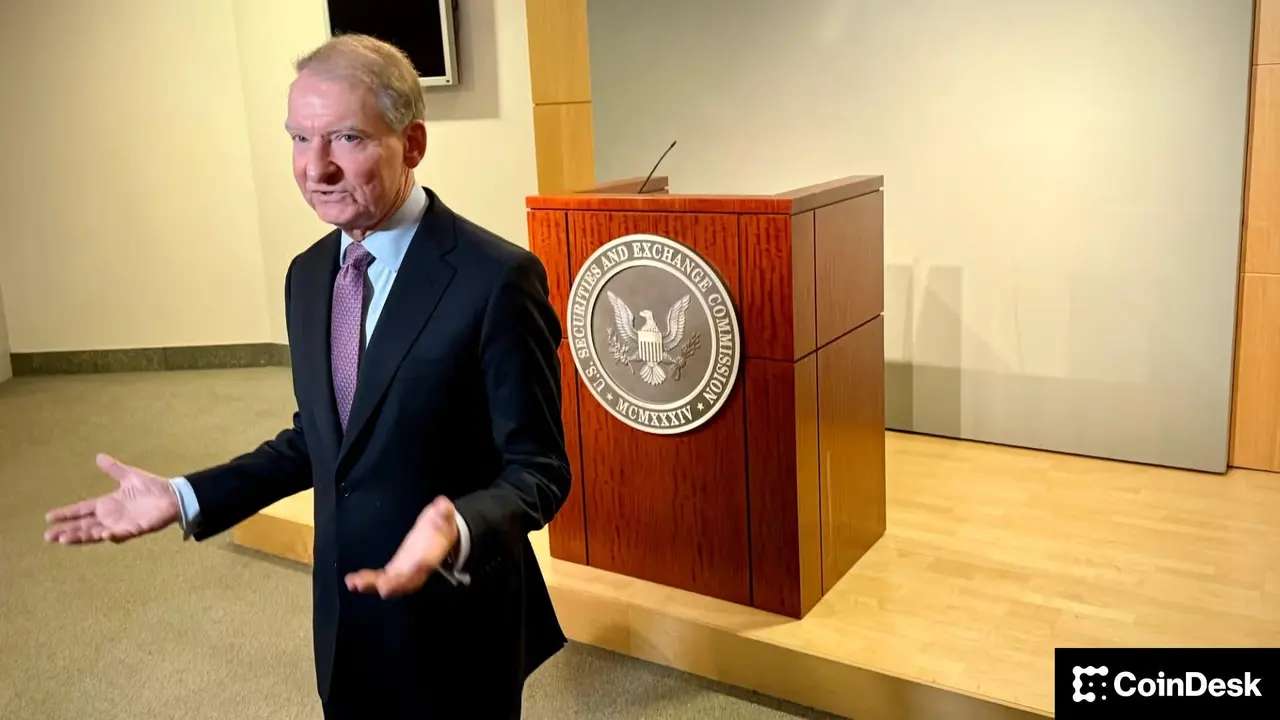
The U.S. Securities and Exchange Commission has cleared a path for tokenized stock trading through a new five-year pilot program, offering DeFi-style trading platforms, tokenization companies and liquidity providers a legitimate route to operate onshore while excluding synthetic stock tokens from its scope.
What the SEC Program Allows
The regulator's initiative establishes a temporary framework that lets qualified venues facilitate the trading of tokenized versions of U.S. equities. The move marks a significant shift for an agency that has long been cautious about blockchain-based securities, signaling a willingness to test how traditional shares can be represented and exchanged on digital rails.
The five-year window functions as a controlled experiment, giving participants room to build out infrastructure and demonstrate compliance without the regulatory ambiguity that has kept many firms operating offshore or on the sidelines. By providing a defined pathway, the SEC aims to bring activity that already exists in crypto markets under a supervised structure.
The five-year experiment hands blockchain-native trading venues a rare invitation to operate on American soil.
Who Stands to Gain
Several categories of market participants are positioned to benefit from the new framework. Decentralized trading platforms, companies that specialize in converting real-world assets into tokens, and firms that supply liquidity to these markets all gain a clearer regulatory foundation for expanding into tokenized equities.
The framework draws a firm line, however, around what qualifies. Synthetic stock tokens — instruments that mimic the price of a stock without direct backing by the underlying share — fall outside the program's boundaries, leaving those products in regulatory limbo.
- DeFi-style trading venues seeking a compliant U.S. presence
- Tokenization firms building infrastructure for real-world assets
- Liquidity providers looking to serve tokenized equity markets
For the broader industry, the program represents a test of whether tokenized securities can integrate with existing market structures. Its outcome over the coming years could determine how far U.S. regulators are willing to go in embracing blockchain-based trading of traditional financial assets.