
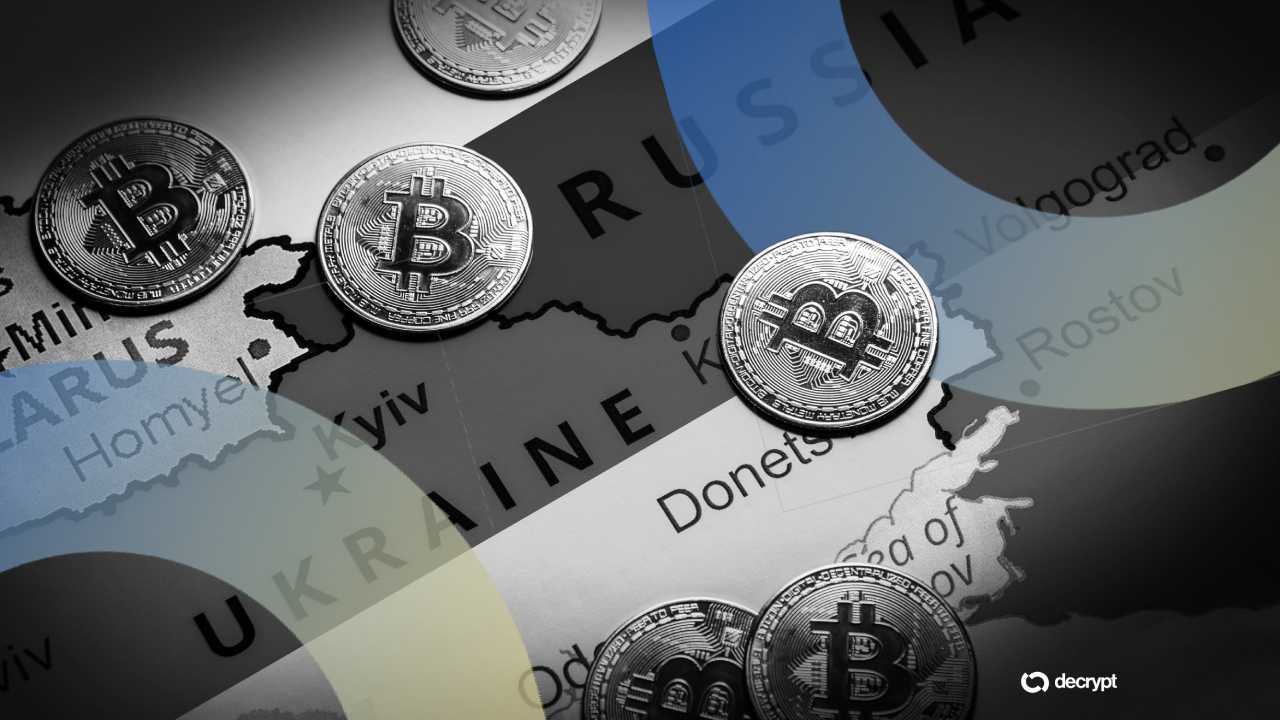
Russia is edging closer to enacting its first comprehensive framework for cryptocurrency, with a landmark bill now just two legislative votes away from becoming law. The proposed legislation would license digital asset exchanges, impose limits on retail investment, and open a legal channel for domestic firms to settle payments with foreign partners in crypto.
What the Bill Would Do
The draft legislation marks a significant shift for a country that has long taken an ambivalent stance toward digital assets. Under the proposed rules, cryptocurrency exchanges operating in Russia would be required to obtain formal licenses, bringing them under state oversight for the first time.
The bill also introduces guardrails for everyday investors. Retail participants would face an annual investment cap of roughly $3,800, a measure apparently intended to shield less sophisticated traders from the volatility that has characterized crypto markets.
Moscow is turning to digital assets not just as an investment vehicle, but as a tool to keep money moving past Western sanctions.
A Path Around Sanctions
Perhaps the most consequential provision is the creation of a legal pathway for Russian companies to pay foreign business partners using cryptocurrency. This mechanism could allow firms to sidestep some of the restrictions imposed by Western sanctions, which have severely limited Russia's access to traditional international financial systems.
The move reflects a broader strategy by Moscow to reduce its dependence on the dollar-dominated global banking network. By formalizing crypto-based cross-border settlements, Russia aims to preserve trade relationships that conventional channels have made difficult.
Key elements of the proposed legislation include:
- Mandatory licensing for crypto exchanges operating domestically
- An annual investment ceiling of about $3,800 for retail investors
- A legal framework for cross-border crypto payments to foreign partners
With only two votes remaining before passage, the bill represents one of the most ambitious efforts yet to regulate and harness cryptocurrency at the national level. If enacted, it would give Russia a structured legal foundation for digital assets while advancing its geopolitical objectives around financial independence.