
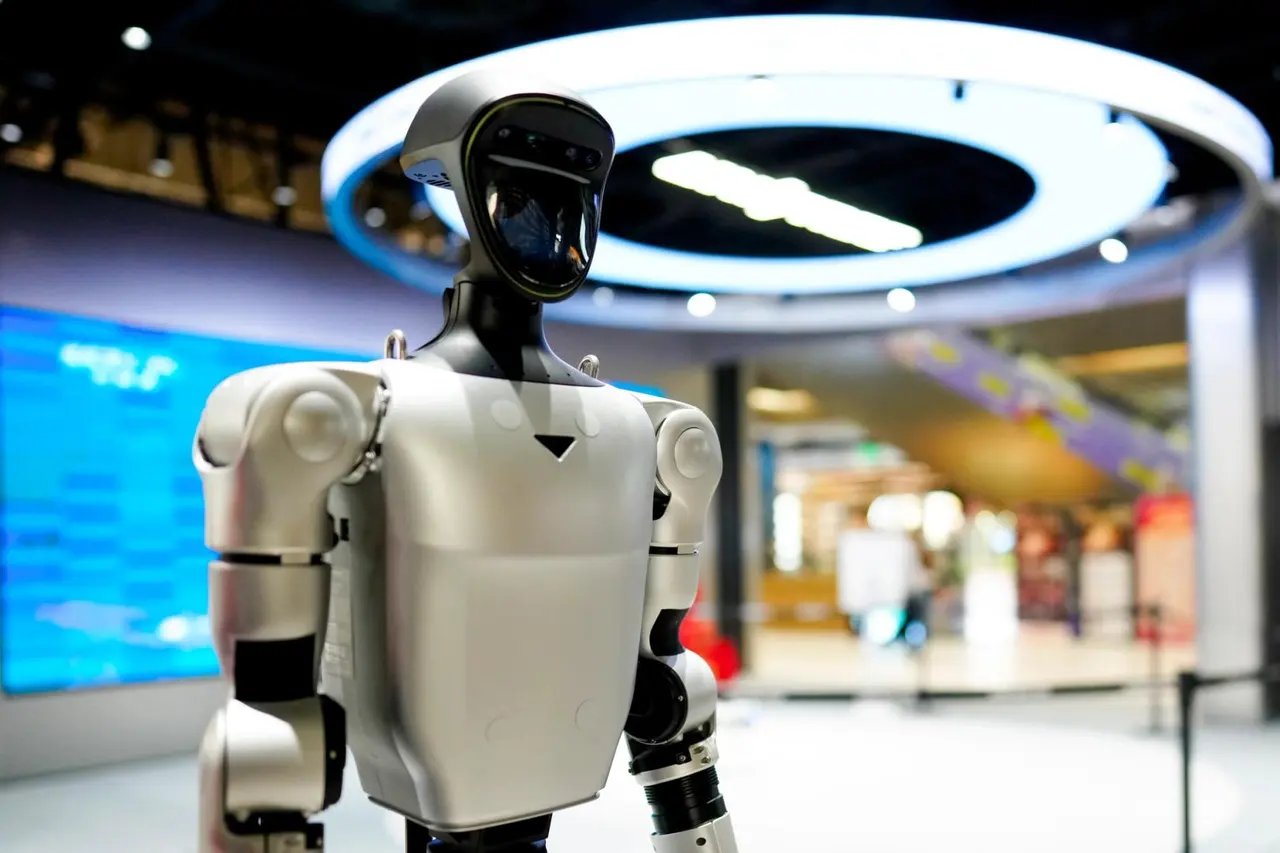
Chinese robotics manufacturer Unitree saw its shares skyrocket on their trading debut, jumping roughly 600% and leaving even the bullish bets placed by crypto derivatives traders far behind.
## A Debut That Defied Expectations Unitree's stock made its first appearance on the Shanghai market with an explosive opening, climbing about 600% above its initial public offering valuation. The scale of the move surprised observers who had already been tracking speculative interest in the company across both traditional and digital markets.
Ahead of the official listing, crypto traders had been positioning themselves on Hyperliquid, a decentralized derivatives platform, using perpetual futures contracts to wager on where Unitree shares might land. Those bets priced the robot maker well above its IPO figure — a signal that market participants anticipated a strong opening.
Even traders who bet big on Unitree's debut ended up underestimating just how hot the stock would run.
## Crypto Bets Fall Short of Reality Despite the aggressive premarket pricing on Hyperliquid, the reality outpaced the speculation. When Unitree shares finally began trading in Shanghai, the opening price landed roughly 75% above the implied value that crypto traders had baked into their perpetual contracts.
The episode highlights how decentralized platforms are increasingly being used to speculate on real-world equity events, blurring the line between conventional stock markets and crypto-native trading venues. Perpetual futures allow traders to take positions without an expiry date, making them a flexible tool for expressing views on upcoming listings.
Key takeaways from the debut include:
- Unitree shares surged approximately 600% above their IPO valuation
- Hyperliquid perp contracts had priced the stock above the IPO figure
- The actual opening trade came in about 75% higher than the crypto-implied price
For crypto market watchers, the mismatch serves as a reminder that even sophisticated derivatives-based forecasts can be dramatically outrun by real-world demand, particularly when the underlying company sits in a high-interest sector like robotics.