
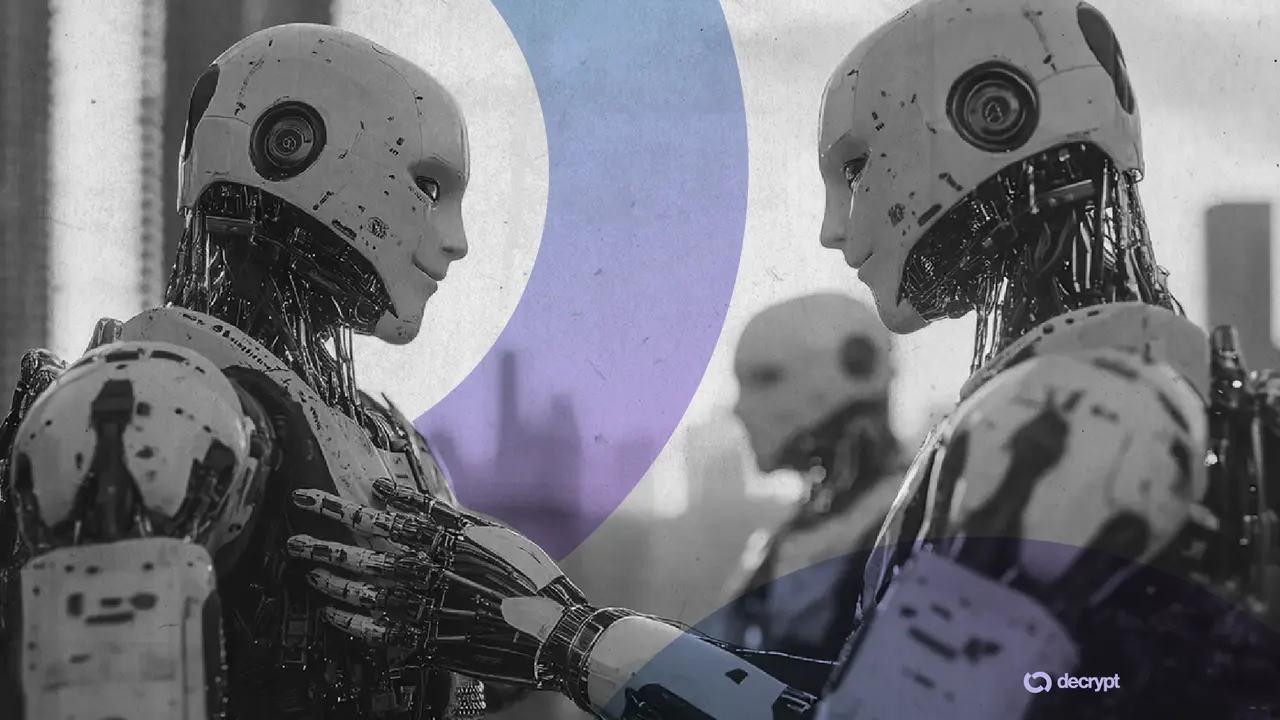
Robotics could be on the verge of its own transformative "ChatGPT moment" within the next two years, according to the chairman of ACE Robotics, who predicts that artificial intelligence models capable of understanding the physical world will reshape the industry by 2027.
A Turning Point for Physical AI
The comparison to ChatGPT is deliberate. Just as OpenAI's chatbot brought generative AI into the mainstream almost overnight, the ACE Robotics chairman argues that robotics is approaching a similar inflection point. The catalyst, he says, will be a new generation of AI models designed not just to process text or images, but to help machines perceive, interpret, and physically interact with their surroundings.
These so-called physical or embodied AI systems represent a leap beyond the language-based models that have dominated recent headlines. Rather than generating words on a screen, they aim to give robots the reasoning capabilities needed to navigate complex, unpredictable real-world environments.
When machines can truly understand the physical world, robotics changes forever.
Adoption Remains Years Away
Despite the optimism, the chairman cautioned that a breakthrough in capability does not translate into instant, widespread deployment. Even after robots gain more sophisticated "brains," the path to seeing them commonplace in homes, factories, and public spaces could still take years to unfold.
Several factors weigh on the timeline for mass adoption, including manufacturing costs, safety considerations, regulatory frameworks, and the practical challenges of scaling hardware production. A software milestone alone won't put a capable robot in every household.
- Advanced AI models that reason about the physical world are seen as the key breakthrough
- The predicted milestone is targeted for around 2027
- Real-world rollout may lag well behind the technical achievement
The Bigger Picture
The prediction reflects a growing belief across the tech industry that robotics is the next frontier for artificial intelligence. Major companies and startups alike have been pouring resources into embodied AI, betting that the fusion of advanced models with physical machines will unlock enormous economic potential.
Whether the 2027 forecast proves accurate remains to be seen, but the sentiment underscores how quickly expectations around AI-driven robotics are accelerating. For now, the industry appears to be watching closely for the moment when robot intelligence finally catches up to the hype.