
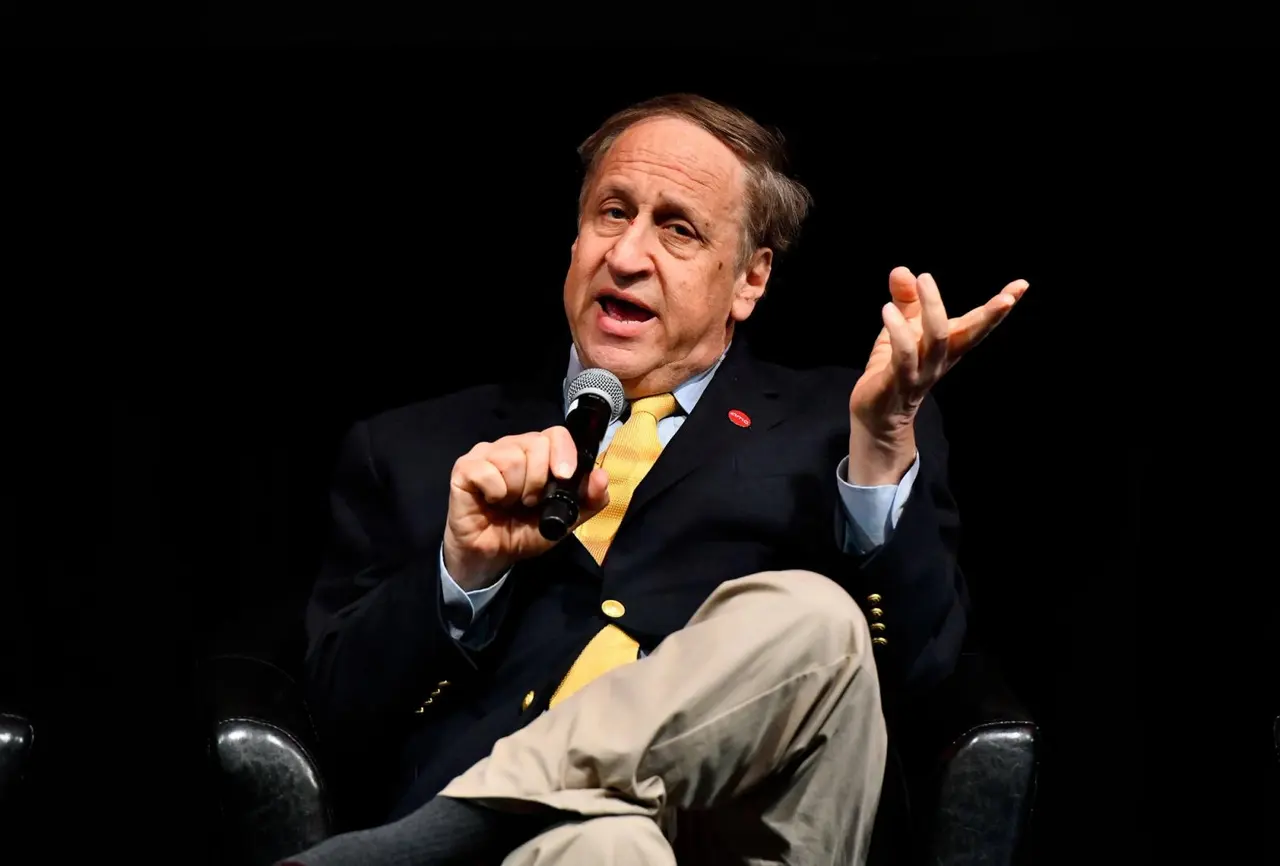
AMC Entertainment CEO Adam Aron has publicly demanded that Robinhood cease issuing tokenized versions of his company's stock, but the brokerage is showing no signs of retreating, with CEO Vlad Tenev standing firmly behind the product.
A Clash Over Tokenized Equity
The dispute centers on Robinhood's stock tokens, blockchain-based instruments the company has rolled out to give investors exposure to shares of well-known firms. Aron took aim at the offering, describing the tokens as "synthetic equity" that does not represent genuine ownership in AMC and warning that the theater chain could pursue legal remedies.
Aron's objection reflects a broader unease among corporate executives about whether these tokenized products accurately reflect the underlying securities they claim to track. His threat of legal action raises questions about the regulatory footing of a fast-growing corner of the crypto industry.
"Synthetic equity" is the charge, but Robinhood insists its tokens are here to stay.
Robinhood Holds Its Ground
Tenev responded by reaffirming that Robinhood supports the product and intends to continue offering it. The brokerage has positioned stock tokens as part of a wider push to bring traditional financial assets onto blockchain rails, an ambition shared by several major players in the sector.
The confrontation has drawn commentary from other industry executives weighing in on the merits and risks of tokenized stocks. The debate touches on several unresolved issues:
- Whether tokens confer any real shareholder rights
- How such products should be regulated across jurisdictions
- The potential for confusion among retail investors
As tokenization gains momentum, the standoff between Aron and Robinhood may prove to be an early test of how far brokerages can go in reshaping equity markets—and how forcefully companies will push back when their shares are involved.