
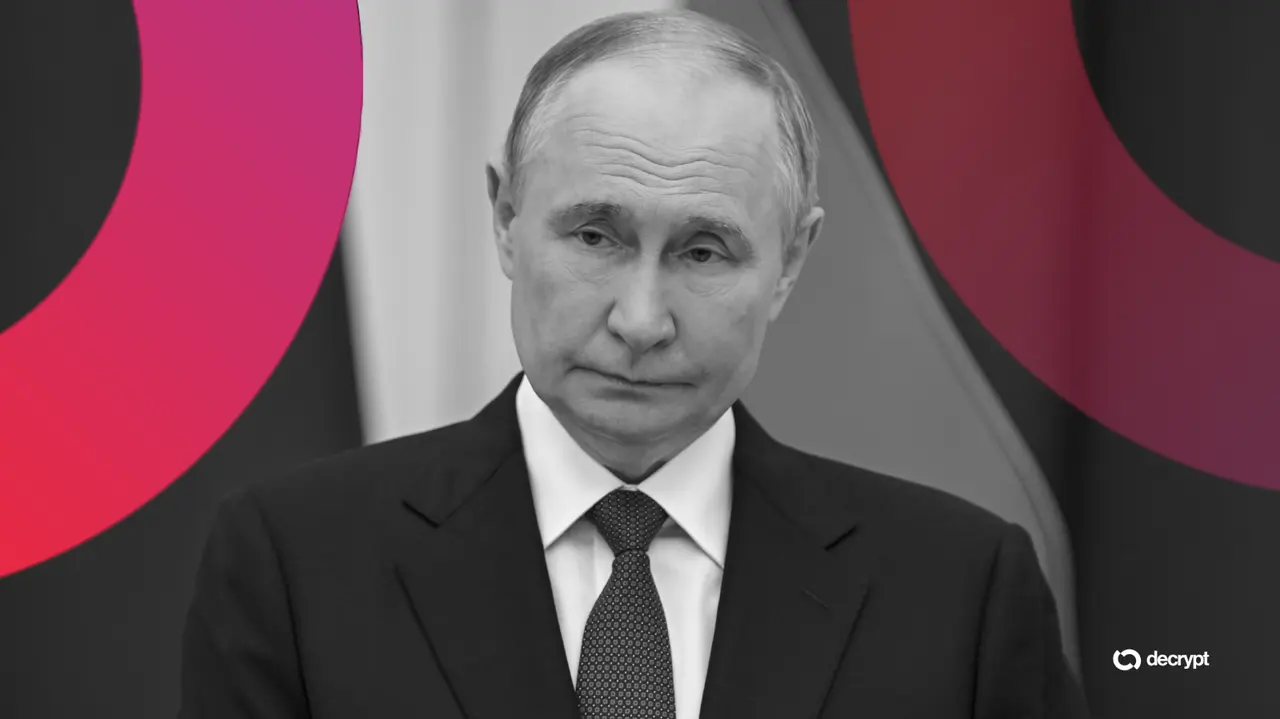
Russian President Vladimir Putin has signed the country's first comprehensive cryptocurrency law, establishing a licensed and centrally supervised framework for trading digital assets while keeping crypto firmly out of everyday commerce.
A Regulated Market Takes Shape
The newly signed legislation creates a formal, government-sanctioned marketplace for buying and selling digital assets in Russia. Under the framework, trading activities will fall under the oversight of the country's central bank, marking a significant step toward bringing crypto out of legal ambiguity and into a supervised structure.
The move signals that Moscow is willing to embrace digital assets as investment instruments, provided they operate within tightly controlled and licensed channels. Exchanges and service providers will need to comply with regulatory requirements designed to keep the market monitored and transparent.
Russia is opening the door to crypto trading while keeping it firmly shut for spending.
Payments Remain Off-Limits
Despite legalizing trading, the law maintains a strict prohibition on using cryptocurrencies for everyday payments. Russians will not be able to pay for goods and services with digital assets, preserving the ruble's status as the sole legal tender for domestic transactions.
This dual approach reflects a cautious stance common among governments wary of digital currencies undermining monetary control. By permitting investment while banning payments, authorities aim to capture the benefits of a regulated market without ceding influence over the national financial system.
Key features of the framework include:
- Central bank supervision of digital asset trading
- A licensing regime for market participants
- A continued ban on crypto as a means of payment
The legislation represents a foundational shift for Russia's approach to digital assets, laying groundwork that could shape how the country navigates crypto regulation in the years ahead.