
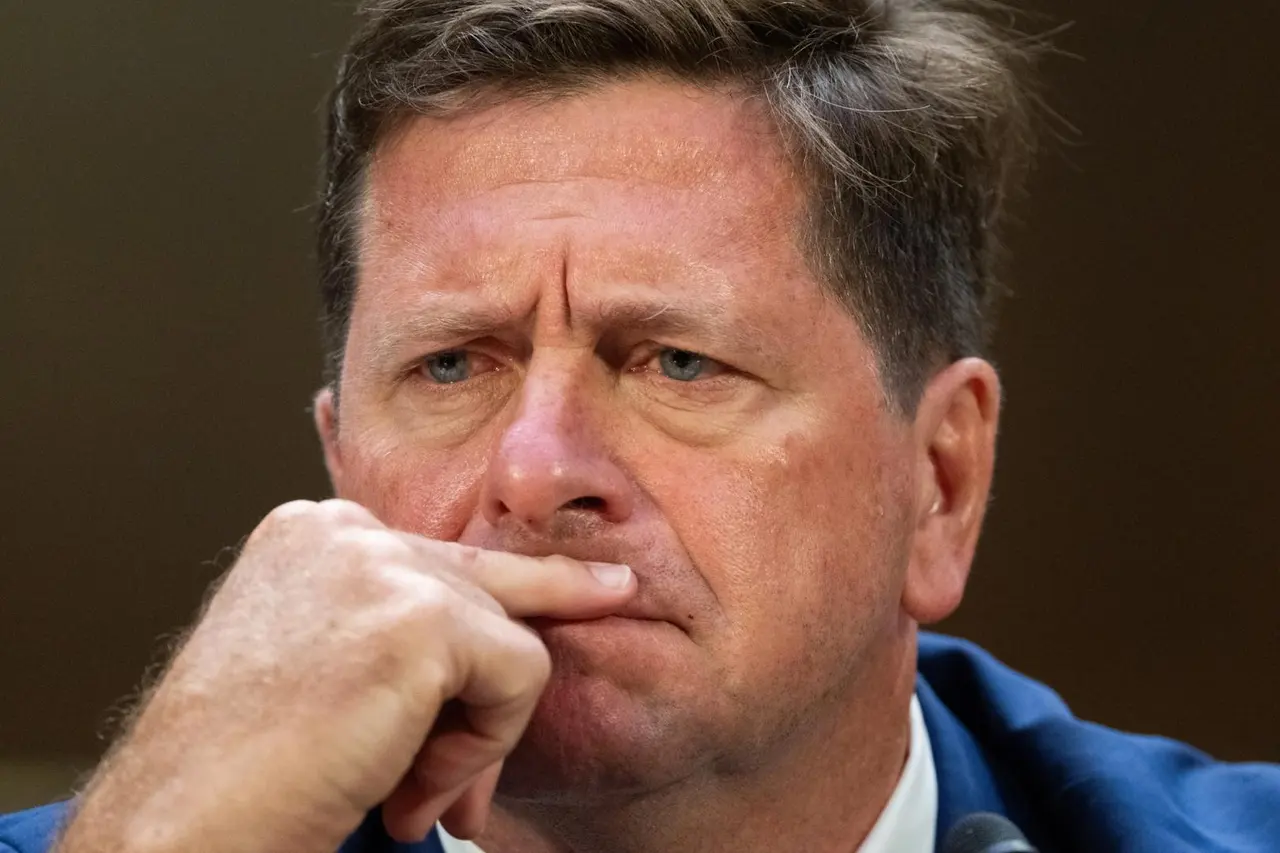
Jay Clayton, the former chairman of the U.S. Securities and Exchange Commission, is reportedly being considered for a senior role overseeing the Trump administration's technology and artificial intelligence agenda — a prospect that has unsettled parts of the crypto industry given his controversial tenure as the nation's top securities regulator.
A Complicated Legacy
Clayton led the SEC from 2017 to late 2020, a period that coincided with the explosive growth of initial coin offerings and the broader digital-asset market. During that time, the agency pursued an approach that critics would later brand "regulation by enforcement" — pursuing legal actions against crypto firms rather than issuing clear, forward-looking rules for the sector.
That strategy became a defining grievance for many in the crypto community, who argued that companies were being punished for conduct the rules never clearly prohibited. The most prominent example was the SEC's lawsuit against Ripple Labs over its XRP token, a case that was filed just as Clayton was departing the agency and went on to shape years of legal debate.
For an industry that spent years battling the SEC in court, Clayton's name still carries the sting of enforcement-first policy.
Why His Potential Return Matters
The possibility that Clayton could reappear in a powerful position overseeing emerging technology — including artificial intelligence — raises questions about how the administration might balance innovation with oversight. His supporters point to his deep experience with securities law and market structure, while skeptics worry his instincts tilt toward aggressive enforcement.
Clayton's history makes him a polarizing figure for a crypto sector that has lobbied hard for clearer, friendlier rules. The industry had hoped the current administration would mark a decisive break from the enforcement-heavy posture of earlier years.
Several factors feed the unease around his possible appointment:
- His association with the Ripple lawsuit, a flashpoint for crypto's regulatory frustrations
- A track record favoring enforcement over explicit rulemaking during his SEC years
- Uncertainty over how he would approach the intersection of AI and digital-asset policy
Whether Clayton ultimately takes on the role remains unconfirmed, but his potential involvement signals that the debate over how Washington should handle fast-moving technologies is far from settled.