
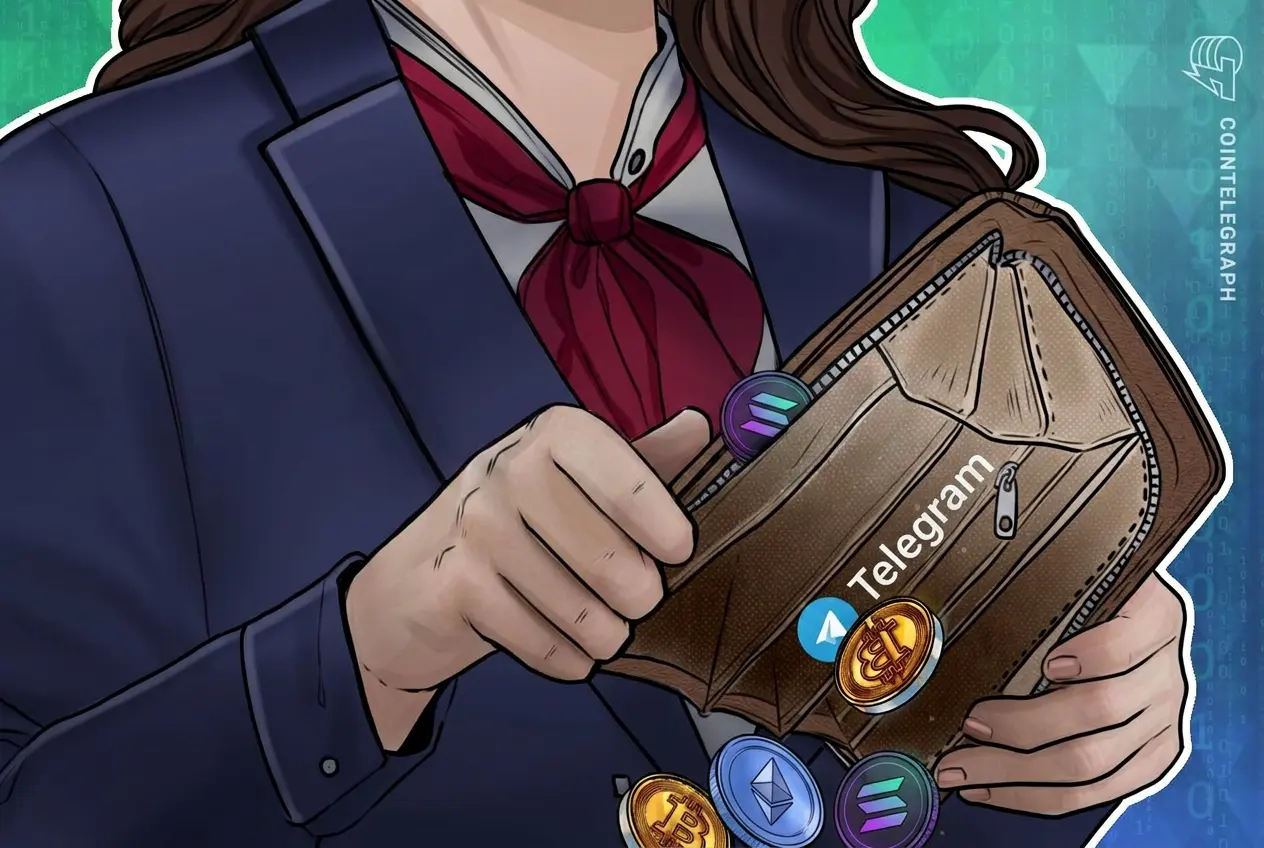
Telegram founder Pavel Durov announced that the messaging platform will introduce a native, non-custodial Gram wallet this summer, aiming to bring self-custody crypto transactions to its more than one billion users worldwide.
A Native Wallet for a Billion Users
According to Durov, the new Gram wallet will be built directly into Telegram, allowing users to manage their own digital assets without relying on a third-party custodian. The non-custodial design means account holders retain full control over their private keys and funds, a feature that distinguishes self-custody wallets from exchange-based accounts.
The move would place crypto functionality in the hands of an enormous user base, potentially making Telegram one of the largest gateways to on-chain transactions among mainstream consumer apps.
Putting a self-custody wallet in front of a billion people could reshape how everyday users interact with crypto.
What It Means for the Ecosystem
By embedding the wallet natively, Telegram is deepening its ties to the broader blockchain ecosystem it has cultivated over recent years. The integration is expected to make sending and receiving tokens as simple as exchanging messages, lowering the barrier to entry for newcomers.
Key aspects of the planned rollout include:
- A non-custodial structure giving users control of their own keys
- Native integration within the Telegram app
- A target launch window this summer
- Access for the platform's more than one billion users
The timing and scale of the launch underscore Telegram's ambitions in the crypto space, though full technical details and regional availability have yet to be disclosed. As with any self-custody product, users will bear responsibility for safeguarding their credentials, since lost keys typically cannot be recovered.