
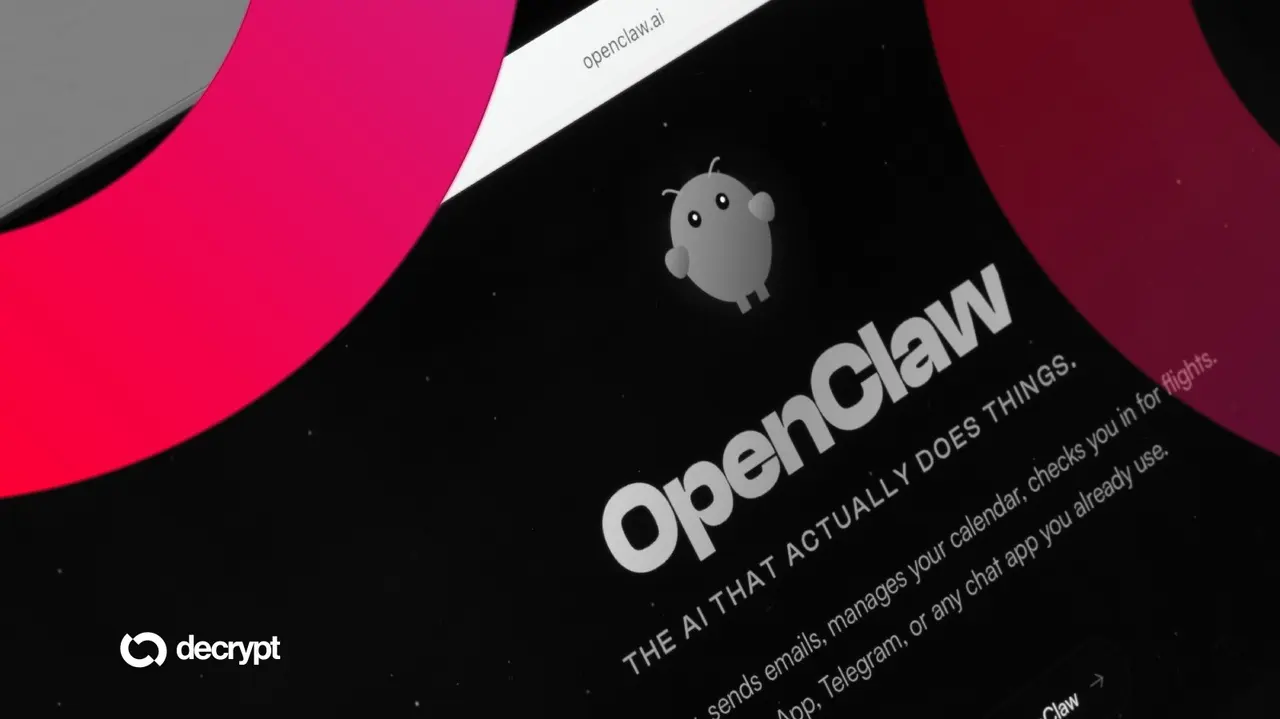
OpenClaw 2.0 has officially launched, delivering the biggest overhaul yet to the open-source agent framework widely credited with kicking off the "autonomous AI" hype cycle. The release arrived after a two-month development stretch and now sets its sights squarely on enterprise adoption.
## What's New in 2.0 The latest version represents a substantial rewrite of the framework's core architecture, focused on stability, extensibility, and the kind of reliability that larger organizations demand before deploying autonomous agents in production environments. The update reworks how agents handle memory, task orchestration, and tool integration, addressing pain points that plagued earlier iterations.
Notably, the maintainers describe the release as one that came together almost accidentally—what began as incremental fixes snowballed into the framework's most ambitious update to date. The result is a platform that is markedly more robust than the version that first captured developer imaginations.
The framework that sparked the autonomous AI craze is now gunning for the enterprise.
## Why It Took Two Months Two months may sound quick by traditional software standards, but in the fast-moving world of AI agent frameworks, it marked a significant pause. The delay stemmed from the decision to prioritize architectural soundness over rushing features out the door, a shift in philosophy for a project that previously rode the momentum of rapid, community-driven releases.
Key priorities behind the extended timeline included:
- Hardening the codebase for production-grade deployments
- Improving compatibility across a wider range of models and tools
- Reducing the failure rates that limited real-world usefulness
## How It Stacks Up Against Hermes The release positions OpenClaw in more direct competition with rival frameworks like Hermes, as the battle for developer mindshare intensifies. While Hermes has carved out its own niche among builders, OpenClaw 2.0's emphasis on enterprise readiness could give it an edge with organizations wary of experimental tooling.
For now, the open-source community will be the judge of whether the two-month investment pays off. If the framework can convert its early hype into dependable enterprise deployments, it may cement its status not just as a pioneer of the autonomous AI movement, but as a lasting player in it.