
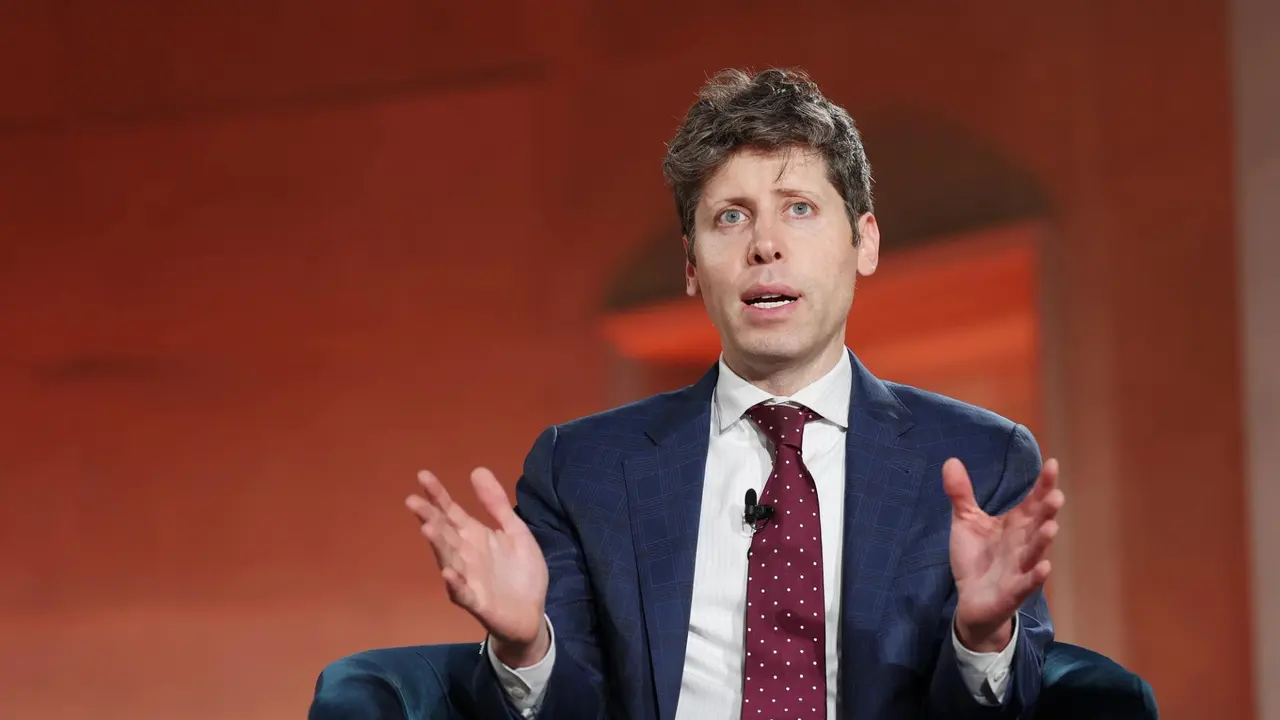
OpenAI's founders landing on the cover of TIME magazine may signal more than mainstream validation for the artificial intelligence boom — it could be flashing a contrarian warning that veteran investors know all too well.
The Magazine Cover Curse
The so-called magazine-cover indicator is one of the market's most enduring pieces of folklore. The theory, popularized by analyst Paul Montgomery, holds that by the time a trend graces the cover of a major mainstream publication, the story is already fully priced in — and a reversal may be near.
The logic is straightforward: mass-media covers tend to appear at the peak of public enthusiasm, when a narrative has become so widely understood that there are few new buyers left to push valuations higher. When the last skeptics have been converted, the fuel driving a rally begins to run dry.
TIME's decision to feature OpenAI's leadership checks the classic boxes that make the signal worth watching. A mainstream outlet, a theme that ordinary readers immediately recognize, and a multiyear surge in investor excitement have all converged at once.
When Wall Street's wildest bet becomes a coffee-table headline, the smart money starts checking the exits.
A Messy Track Record
For all its notoriety, the cover indicator has a decidedly mixed history. It has occasionally nailed major turning points, but just as often it has flagged nothing, or arrived too early to be actionable. Correlation, as the skeptics point out, is not causation.
Still, the underlying dynamics the indicator captures are real. Extended run-ups in enthusiasm, saturated media coverage and a widely shared belief in a can't-miss story are the conditions that have preceded past market cooling.
For AI bulls, the takeaway isn't necessarily to sell. Rather, it's a reminder to weigh how much optimism is already baked into current prices and whether the AI narrative has room left to run.
- A mainstream publication amplifying the story
- A theme the general public readily grasps
- A multiyear buildup of investor enthusiasm
Whether the TIME cover marks a genuine top or becomes just another false alarm won't be clear for months. But history suggests that when a speculative theme reaches peak cultural saturation, prudent investors pay attention.